How to buy a bike helmet that fits and protects properly
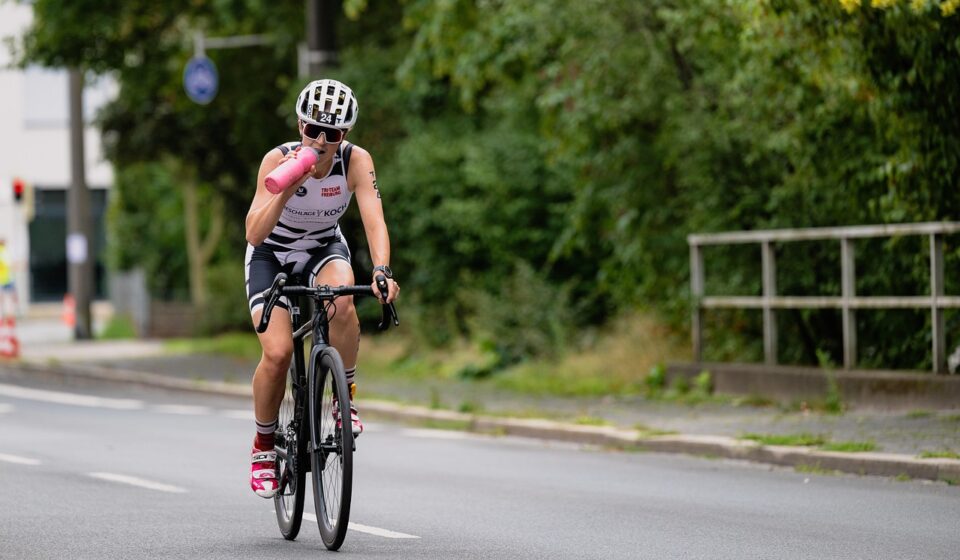
If you are learning how to buy a bike helmet, start with three basics that should not be compromised: a recognized safety certification, a size that matches your head measurement, and a fit that stays level and snug without creating pressure points. Color, ventilation, lights, visors, and premium materials are worth comparing only after those requirements are met. In the United States, the key label is compliance with the CPSC bicycle helmet standard, 16 CFR Part 1203. Independent testing programs such as Virginia Tech Helmet Ratings can also help shoppers compare impact performance, although no helmet can make cycling risk-free. For more practical shopping explainers, browse our buying guides.
Start with the safety label
The first question is not brand, price, or style. It is whether the helmet is legally and technically intended for bicycling. For a bicycle helmet sold in the U.S., check the inside label for CPSC compliance. The U.S. Consumer Product Safety Commission standard covers impact attenuation, strap strength, helmet stability, and peripheral vision. In practical terms, the helmet should help reduce impact force, stay on during a fall, keep the retention system from stretching excessively, and avoid blocking basic side vision.
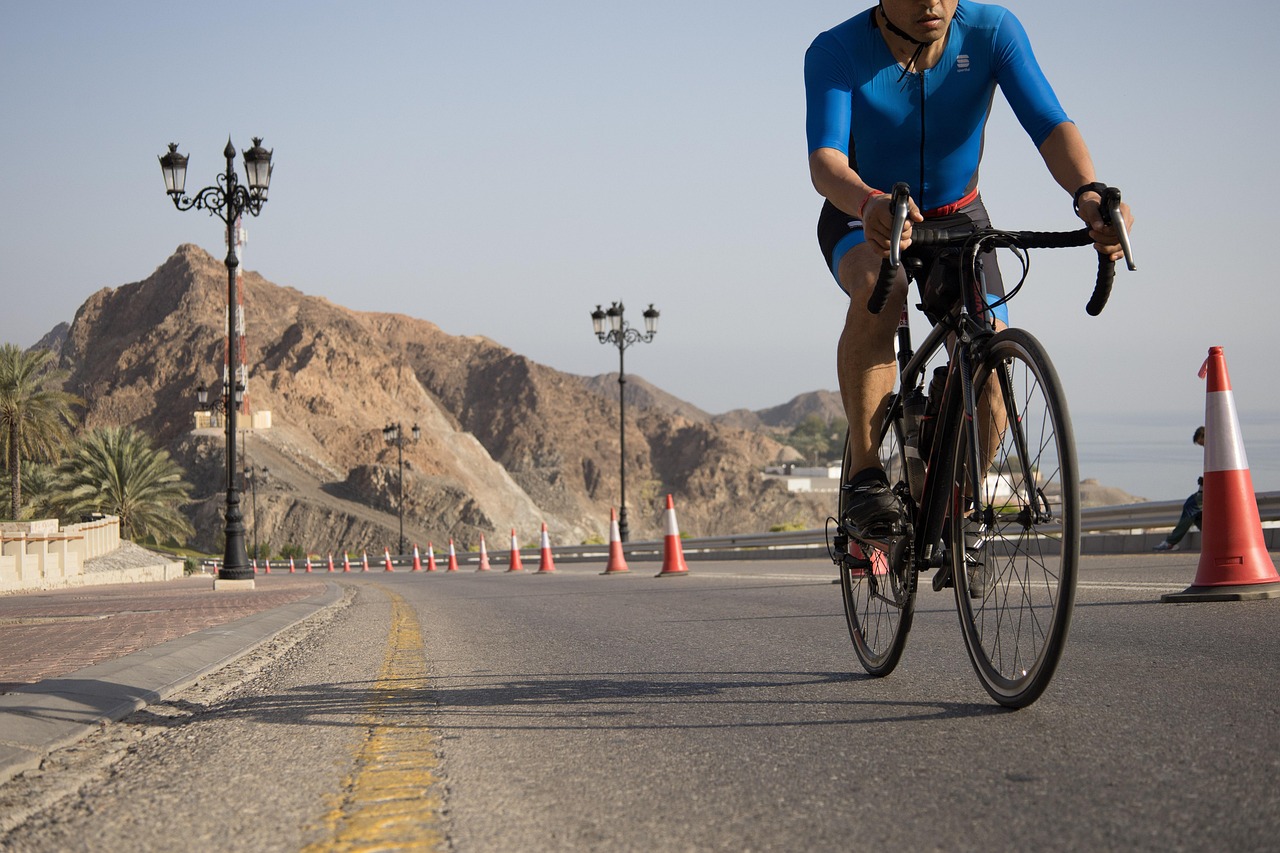
Do not assume every sporty-looking helmet is a bicycle helmet. Some helmets are made only for skateboarding, snow sports, baseball, or other activities. A multi-sport helmet can be a valid option only when the label or product information clearly states that it meets the applicable bicycle helmet standard. If the listing is vague, the label is missing, or the seller uses generic phrases such as safety approved without naming the standard, choose another model.
Optional certifications can add useful context, but they do not replace the required bicycle standard. Snell bicycle certification, for example, is an additional third-party certification found on some helmets. It can help with comparison, but for an everyday U.S. bike buyer, the starting point remains a clear CPSC bicycle helmet label.
Choose a helmet type for the way you ride
A commuter, a road cyclist, a mountain biker, and a child learning to ride do not need the same helmet design. The safest purchase is the helmet you will actually wear on every ride, so match the shell shape and features to your real use instead of choosing the most aggressive-looking model.
| Riding use | Features worth considering | What to avoid |
|---|---|---|
| Urban commuting | Moderate ventilation, reflective details, rear light compatibility, easy strap adjustment | Heavy designs that feel uncomfortable in daily use |
| Road cycling | Low weight, strong airflow, secure retention dial, glasses compatibility | Oversized visors or poor ventilation if riding long distances |
| Mountain biking | More rear head coverage, adjustable visor, stable fit over rough terrain | Loose retention systems that shift on bumps |
| Children | Correct child size, simple buckle, bright color, easy fit checks by an adult | Buying a size to grow into |
| E-bike riding | Good coverage, secure retention, visibility features, careful attention to local rules | Assuming a basic bike helmet is suitable for every higher-speed powered vehicle |
For faster e-bike use, cargo biking, or riding in mixed traffic, consider helmets with more coverage and better visibility features. Local helmet laws and product categories can vary, so confirm that the helmet is intended for your vehicle type and riding speed rather than relying on appearance alone.
Measure first, then try the helmet on
Bike helmet sizing starts with head circumference. Use a soft tape measure around the widest part of your head, usually about an inch above the eyebrows and around the back of the skull. Compare that number with the specific brand size chart. Small, medium, and large are not universal, so a medium in one brand may not match a medium in another.
When the helmet is on your head, it should sit level, not tilted far back. The front edge should cover the forehead without blocking vision. Tighten the rear dial or internal retention system until the helmet feels stable. It should feel secure, but it should not cause painful pressure at the temples, forehead, or back of the head.
Next, adjust the side straps so they form a V shape around each ear. Buckle the chin strap and tighten it until you can fit only one or two fingers between the strap and your chin. Open your mouth wide; a properly adjusted strap should pull the helmet down slightly. Then shake your head gently side to side and front to back. If the helmet rocks, slides, or exposes your forehead, keep adjusting or try a different shape.
Understand protection features without falling for hype
Modern bike helmets often promote rotational-impact systems, slip-plane liners, dual-density foam, reinforced shells, extended coverage, or lab-tested ratings. These features can be meaningful, but they are not all equal, and none of them removes the need for correct fit.
Traditional helmet standards focus heavily on reducing direct impact forces. Real crashes, however, often involve angled impacts that can create rotational motion. That is why independent research groups and some manufacturers look at both linear and rotational head motion. Virginia Tech Helmet Ratings, developed with the Insurance Institute for Highway Safety, evaluates bicycle helmets using lab impacts that include linear acceleration and rotational velocity. Its public rating system is useful because it compares many certified helmets under a consistent method instead of simply repeating manufacturer claims.
That does not mean every shopper needs the most expensive helmet with the most acronyms. A well-fitting, certified helmet that you wear consistently is better than a high-end helmet that sits crooked, pinches, or gets left at home. Use independent ratings as an extra filter after you have narrowed your options by safety label, fit, riding type, and comfort.
Comfort features are safety features too
A helmet that feels annoying after ten minutes is unlikely to become part of your routine. Comfort is not just a premium detail; it directly affects whether the helmet is worn consistently. Before buying, think about your climate, ride length, hairstyle, glasses, and storage habits.
- Ventilation: More vents can help in hot weather, especially for road and fitness riding. Urban helmets sometimes trade maximum airflow for a cleaner shell and more coverage.
- Weight: Lighter helmets often feel better on longer rides, but low weight should not be the only priority for commuting or trail use.
- Retention dial: A rear adjustment dial makes it easier to fine-tune fit, especially if you wear a thin cap in cold weather.
- Padding: Removable washable pads help with sweat, odor, and long-term comfort. Replacement pad availability is a plus.
- Visibility: Bright colors, reflective panels, and light mounts can make sense for commuting, dusk rides, and mixed traffic.
- Hair and eyewear compatibility: Try the helmet with your usual ponytail, sunglasses, prescription glasses, or cycling cap.
If two helmets meet the same safety requirement and fit equally well, choose the one that feels easier to live with. The best helmet is not the one with the longest feature list. It is the one that feels unobtrusive while still staying secure. See also: BEAUTY INGREDIENTS.
Know when not to buy used
Used bike helmets are risky because damage is not always visible. The expanded foam inside a helmet is designed to crush during an impact. After a crash, it may look mostly normal while losing some of its ability to manage another hit. NHTSA guidance has long advised replacing a helmet after it has taken an impact, and that remains a sensible rule for shoppers.
Only consider a secondhand helmet if you personally know its history, can inspect the shell and foam, and can confirm it has never been crashed, dropped hard, modified, stored in extreme heat, or recalled. For most buyers, a new certified helmet is the better value because it removes that uncertainty.
Age also matters. Bicycle helmets do not have one universal expiration date set by every safety authority, but materials can degrade from sweat, sunlight, heat, solvents, and daily handling. Follow the manufacturer replacement guidance, and replace the helmet sooner if you see cracks, crushed foam, brittle straps, a broken buckle, missing pads that affect fit, or a shell separating from the liner.
Use this buying checklist in store or online
Before you click buy or remove the store tag, run through a simple checklist. It helps prevent common mistakes: buying by looks, choosing the wrong size, or paying for features that do not match your riding.
- Confirm that the helmet is marketed for bicycling and shows the correct bicycle safety certification for your market.
- Measure your head and compare the number with the specific brand size chart.
- Choose a helmet type that matches your main riding use, not an imagined future use.
- Put the helmet on level and check that the front protects your forehead.
- Adjust the side straps, chin strap, and rear dial until the helmet stays stable when you shake your head.
- Check comfort with your normal glasses, hairstyle, cap, or earbuds if you use them while riding where legal and safe.
- Look for independent rating information if you are comparing helmets that already fit well.
- Avoid used helmets with unknown crash history, missing labels, damaged foam, or unclear age.
Price can influence materials, weight, ventilation, and finishing, but it does not guarantee fit. A mid-priced certified helmet that matches your head shape can be a smarter purchase than a premium model that creates pressure points or shifts during movement.
Frequently asked questions
How should a bike helmet fit?
It should sit level on your head, cover the forehead, and feel snug without pain. The straps should form a V around the ears, the chin strap should allow only one or two fingers underneath, and the helmet should not slide when you shake your head.
Is an expensive bike helmet always safer?
Not always. Higher prices may bring lighter materials, better ventilation, more refined straps, or added rotational-impact technology. Safety still depends on certification, fit, and how the helmet performs in relevant tests. A secure certified helmet is better than an expensive one that fits poorly.
Should I replace my helmet after a crash?
Yes. If the helmet took an impact, replace it even if the outside looks acceptable. The internal foam may have compressed in a way that reduces protection in another crash.
Can I use a skate helmet for biking?
Only if it is also certified and labeled for bicycle use. Some multi-sport helmets are designed for biking, but a helmet marketed only for skateboarding or another activity should not be assumed to meet bicycle helmet requirements.
What is the most important feature to look for?
The most important feature is not a visor, light, or premium liner. It is the combination of a recognized bicycle safety label and a fit that stays stable on your head. After that, choose comfort and visibility features that make you more likely to wear the helmet every ride.