Beauty of Joseon ingredients explained by product and skin concern

What Beauty of Joseon ingredients tell you about the formulas
Beauty of Joseon ingredients tend to follow a recognizable structure: a moisturizing base, one or two highlighted Korean or “hanbang-inspired” botanical ingredients, and targeted cosmetic actives such as niacinamide, retinal, alpha-arbutin, BHA, or UV filters. The ingredient printed in the product name is only a starting point. A better reading is to check where that ingredient appears in the full list, what other actives are included, whether the product is rinse-off or leave-on, and whether you are comparing a sunscreen, serum, moisturizer, cleanser, or eye product.
This guide summarizes publicly available ingredient information from the brand’s current product pages and general cosmetic-labeling guidance. It is an ingredient-reading guide, not a medical or dermatology recommendation. If your skin is reactive, acne-prone, pregnant, breastfeeding, or under prescription treatment, patch testing and advice from a qualified professional are the safer approach.

For more ingredient-focused guides, visit our beauty ingredients section.
The recurring ingredient themes in Beauty of Joseon formulas
Beauty of Joseon formulas are not identical, but several ingredient themes appear across the line. Rice shows up in brightening, moisturizing, cleansing, and sunscreen products. Ginseng appears in essence, cream, sunscreen-support extracts, and retinal eye-care products. Niacinamide is one of the brand’s most common functional actives, used in products positioned for glow, texture, oil-moisture balance, and tone. The formulas also rely on standard cosmetic building blocks such as glycerin, butylene glycol, propanediol, squalane, silicones, fatty alcohols, emulsifiers, polymers, and preservatives.
This matters because many shoppers search for one “hero ingredient,” while the base formula often determines how the product feels, spreads, and layers. A product with rice extract can feel very different depending on whether it is a balm, toner, gel serum, cream, or sunscreen. In the same way, niacinamide near the top of an ingredient list may be more central to the formula than a botanical extract listed after texture stabilizers and preservatives.
Rice ingredients
Rice-related names in Beauty of Joseon formulas include Oryza Sativa Rice Bran Water, Rice Extract, Rice Bran Oil, Rice Seed Water, and rice ferment filtrates. In leave-on products, these ingredients are generally tied to hydration, comfort, and radiance positioning. In a cleansing balm, rice ingredients sit inside a rinse-off formula, so their practical role should be interpreted more modestly because the product is removed from the skin.
Ginseng ingredients
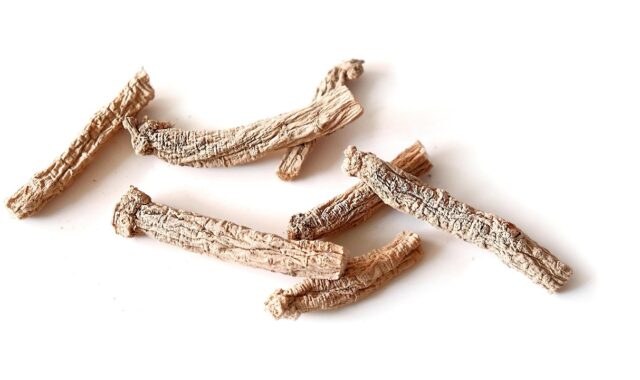
Ginseng appears in different forms, including Panax Ginseng Root Water, Panax Ginseng Root Extract, Panax Ginseng Berry Extract, ginseng callus culture extract, and ginseng ferment filtrate. The brand frames ginseng as supporting moisture, vitality, and antioxidant care. From a label-reading standpoint, it is worth checking whether ginseng is a main water-phase ingredient, a mid-list extract, or a lower-level support ingredient.
Niacinamide
Niacinamide is one of the clearest cross-category ingredients in the Beauty of Joseon line. It appears in moisturizers, serums, essence, and sunscreen. In cosmetics, it is commonly used for tone, texture, oil-moisture balance, and barrier-support positioning. The product name, however, does not reveal the percentage unless the brand discloses it for that specific item. Glow Serum, for example, is presented with 2% niacinamide, while several other products list niacinamide without a public percentage on the product page.
Product-by-product ingredient map
The table below compares several widely searched Beauty of Joseon products. Ingredient lists can vary by market, packaging update, and batch, so the product box or tube should always be treated as the final reference before use.
| Product | Main category | Ingredients to notice | What the formula suggests |
|---|---|---|---|
| Relief Sun Rice + Niacinamide SPF50+ PA++++ | Sunscreen | Ethylhexyl Triazone, Diethylamino Hydroxybenzoyl Hexyl Benzoate, Diethylhexyl Butamido Triazone, Methylene Bis-Benzotriazolyl Tetramethylbutylphenol, niacinamide, rice extract, ferments | A dewy global sunscreen formula using modern UV filters plus cosmetic support ingredients. The brand states the former Rice + Probiotics name was changed to Rice + Niacinamide without changing the formula, ingredients, or size. |
| Dynasty Cream | Moisturizer | Glycerin, hydrogenated polydecene, niacinamide, squalane, Panax Ginseng Root Water, Rice Bran Water, hyaluronic acid forms, Ceramide NP | A richer moisturizing formula where humectants, emollients, niacinamide, squalane, and barrier-support ingredients matter as much as the botanical story. |
| Glow Serum Propolis + Niacinamide | Serum | Propolis extract 60%, niacinamide 2%, betaine salicylate, glycerin, butylene glycol, botanical extracts | A glow and pore-care serum with disclosed hero percentages. Propolis sensitivity is possible for some users, and BHA-type ingredients may not suit every reactive routine. |
| Glow Deep Serum Rice + Alpha-Arbutin | Serum | Rice Bran Water, alpha-arbutin, niacinamide, panthenol, humectants, grain extracts | A tone-focused serum where rice water is prominent and alpha-arbutin is the key targeted brightening ingredient. Daytime sunscreen is important when using tone-care routines. |
| Revive Eye Serum Ginseng + Retinal | Eye serum | Glycerin, niacinamide, Panax Ginseng Root Extract, retinal, cholesterol, Ceramide NP, Palmitoyl Tripeptide-5 | A retinoid eye product designed for visible aging concerns. The brand advises avoiding it during pregnancy or breastfeeding and not mixing it with AHA, BHA, or PHA products. |
| Radiance Cleansing Balm | Cleanser | Cetyl ethylhexanoate, caprylic/capric triglyceride, PEG emulsifiers, rice bran oil, rice seed water, rice extract, grain extracts | A balm-to-oil cleanser where makeup and sunscreen removal comes mainly from oils, esters, waxes, and emulsifiers. Rice ingredients support the brand story, but the product is rinsed off. |
How to read the ingredient list instead of the product name
Ingredient names in product titles are useful shortcuts, but they can mislead if they are read without the full ingredient deck. In U.S. cosmetic labeling, ingredients are generally listed in descending order of predominance. Ingredients present at 1% or less may be listed without strict predominance after the higher-concentration group. This does not reveal exact percentages, but it helps separate a core formula ingredient from a trace or support ingredient.
For Beauty of Joseon, look for four signals. First, identify the first five to seven ingredients because they often define the texture and skin feel. Second, note any disclosed percentages, such as 60% propolis extract, 2% niacinamide, or 0.5% BHA, when the brand provides them. Third, distinguish actives from support ingredients. Retinal, alpha-arbutin, niacinamide, BHA, and UV filters are not the same type of ingredient as rice extract, ginseng water, or a grain complex. Fourth, check whether the formula is leave-on or rinse-off. A cleanser can contain attractive botanicals, but the contact time is shorter than with a serum or cream.
It also helps to read ingredient families rather than single words. “Rice” can mean water, extract, bran oil, germ extract, or ferment filtrate. “Ginseng” can mean root water, root extract, berry extract, or fermented ginseng filtrate. These forms do not necessarily perform identically, and their placement in the list changes how much weight you should give them.
Important sunscreen ingredient notes
Relief Sun is one of the most searched Beauty of Joseon products, so its ingredient list deserves separate attention. On the brand’s current global product page, the product is identified as Relief Sun Rice + Niacinamide SPF50+ PA++++. The brand explains that the product formerly known as Relief Sun Rice + Probiotics was renamed, and that the formula, ingredients, and size remain unchanged during the packaging transition.
The global ingredient list names four UV filters: Ethylhexyl Triazone, Diethylamino Hydroxybenzoyl Hexyl Benzoate, Diethylhexyl Butamido Triazone, and Methylene Bis-Benzotriazolyl Tetramethylbutylphenol. It also includes niacinamide, rice extract, rice germ extract, green tea extract, kelp extract, ginseng root extract, and multiple ferment ingredients. From a formula-reading perspective, the UV filters are the functional sunscreen system. Rice, niacinamide, and ferment ingredients are cosmetic support ingredients that help explain the skincare positioning. See also: BUYING GUIDES.
For U.S. shoppers, there is an additional regulatory wrinkle. Sunscreens are regulated differently from ordinary cosmetics in the United States, and sunscreen actives must fit FDA requirements or an approved pathway. The FDA added bemotrizinol to the OTC sunscreen monograph in June 2026, but that does not automatically make every international sunscreen filter combination available in the U.S. under the same ingredient deck. If you are comparing U.S. retail versions, imported global versions, and marketplace listings, read the actual Drug Facts or ingredient panel rather than relying on the product name alone.
Which Beauty of Joseon ingredients suit different skin concerns?
If your concern is dryness, start with humectants and emollients before botanicals. Dynasty Cream is a useful example: glycerin, hydrogenated polydecene, squalane, fatty emulsifiers, hyaluronic acid forms, and Ceramide NP support the moisturizing story. Rice bran water and ginseng root water add to the brand identity, but the cream base is what makes the product feel nourishing.
If your concern is uneven tone or dullness, Glow Deep Serum and niacinamide-containing products are more relevant than a cleanser with rice extract. Glow Deep Serum places Rice Bran Water first and includes alpha-arbutin and niacinamide, making it more directly aligned with tone-care positioning. Even so, tone-focused routines are limited without consistent sunscreen, especially when products are used during the daytime.
If your concern is visible pores, excess oil, or texture, Glow Serum is more targeted because the brand discloses propolis extract, 2% niacinamide, and BHA. That said, propolis can be a concern for people with bee-product sensitivities. Exfoliating ingredients can also irritate some skin types if they are layered with acids, retinoids, or harsh cleansing routines.
If your concern is visible aging around the eyes, Revive Eye Serum is the formula that contains retinal. Retinal belongs to the vitamin A derivative family and should be introduced carefully. The brand’s own FAQ recommends avoiding the product during pregnancy and breastfeeding, using sunscreen in the daytime, and not combining it with AHA, BHA, or PHA products. Sensitive or dry skin types should be especially cautious because stinging or irritation can occur with retinal products.
What to check before buying
Because Beauty of Joseon is widely sold through global e-commerce, marketplace stores, and regional retailers, ingredient checking should happen at the point of purchase. The brand maintains authorized retailer information and states that authenticity is assured when products are purchased from its official mall or authorized retailers. This is especially relevant for popular sunscreens and serums, where counterfeit concerns and market-specific packaging can confuse shoppers.
- Check the exact product name. Relief Sun Rice + Probiotics and Relief Sun Rice + Niacinamide may refer to the same global formula during the name transition, according to the brand.
- Compare the full ingredient list. Do not rely only on “rice,” “ginseng,” “glow,” or “probiotics” in the name.
- Look for disclosed percentages. Percentages such as 60% propolis extract or 2% niacinamide are more informative than a hero ingredient with no amount provided.
- Separate sunscreen actives from skincare extras. UV filters are the protection system; rice, niacinamide, and ferments are supporting cosmetic ingredients.
- Use the package as the final authority. Online pages can update, and regional labels may differ.
Frequently asked questions
Did Beauty of Joseon Relief Sun ingredients change?
The brand’s current global product page states that Relief Sun Rice + Probiotics was renamed Relief Sun Rice + Niacinamide and that the formula, ingredients, and size remain unchanged. Because old and new packaging may both circulate, shoppers should buy through official or authorized channels and compare the ingredient panel on the product received.
Are Beauty of Joseon ingredients good for sensitive skin?
Some formulas are marketed as gentle or non-irritating, but sensitive skin is individual. Ingredients to watch include retinal, BHA, propolis, essential-oil-like botanicals if present in a specific formula, and dense botanical blends. Patch testing is sensible, especially with serums and eye products.
Is niacinamide in every Beauty of Joseon product?
No. Niacinamide appears in many key formulas, including Dynasty Cream, Ginseng Essence Water, Glow Serum, Glow Deep Serum, Revive Eye Serum, and Relief Sun, but not every product is built around it. Always check the ingredient list for the specific item.
Can I use Revive Eye Serum with exfoliating acids?
The brand does not recommend mixing Revive Eye Serum with AHA, BHA, or PHA products because it contains retinal liposomes and may increase irritation risk. A conservative routine would separate exfoliating acids and retinal into different nights, or avoid one category if your skin is reactive.
What is the main takeaway when reading Beauty of Joseon ingredients?
Read the full formula, not only the ingredient in the product name. Beauty of Joseon often combines traditional-positioned ingredients such as rice and ginseng with modern cosmetic actives and texture systems. The best match depends on your skin concern, tolerance, market version, and how the product fits into the rest of your routine.