Skincare for oily skin that balances shine without stripping

The balanced approach to skincare for oily skin
Skincare for oily skin works best when the target is balance, not complete oil removal. A practical routine should lift away excess oil, sweat, sunscreen and makeup while leaving enough moisture in the skin barrier to prevent tightness, stinging and irritation. Dermatology sources such as the American Academy of Dermatology and Mayo Clinic consistently emphasize gentle cleansing, noncomedogenic products, daily sunscreen and targeted acne ingredients when breakouts are part of the concern.
For most people, that means a simple morning routine built around cleanser, lightweight moisturizer and broad-spectrum sunscreen, followed by an evening routine that adds one appropriate treatment if needed. The common problem is doing too much: harsh scrubs, alcohol-heavy toners and several strong actives at the same time can leave skin irritated. Over time, irritated skin may look shinier and feel less comfortable, even when it has been aggressively cleansed.
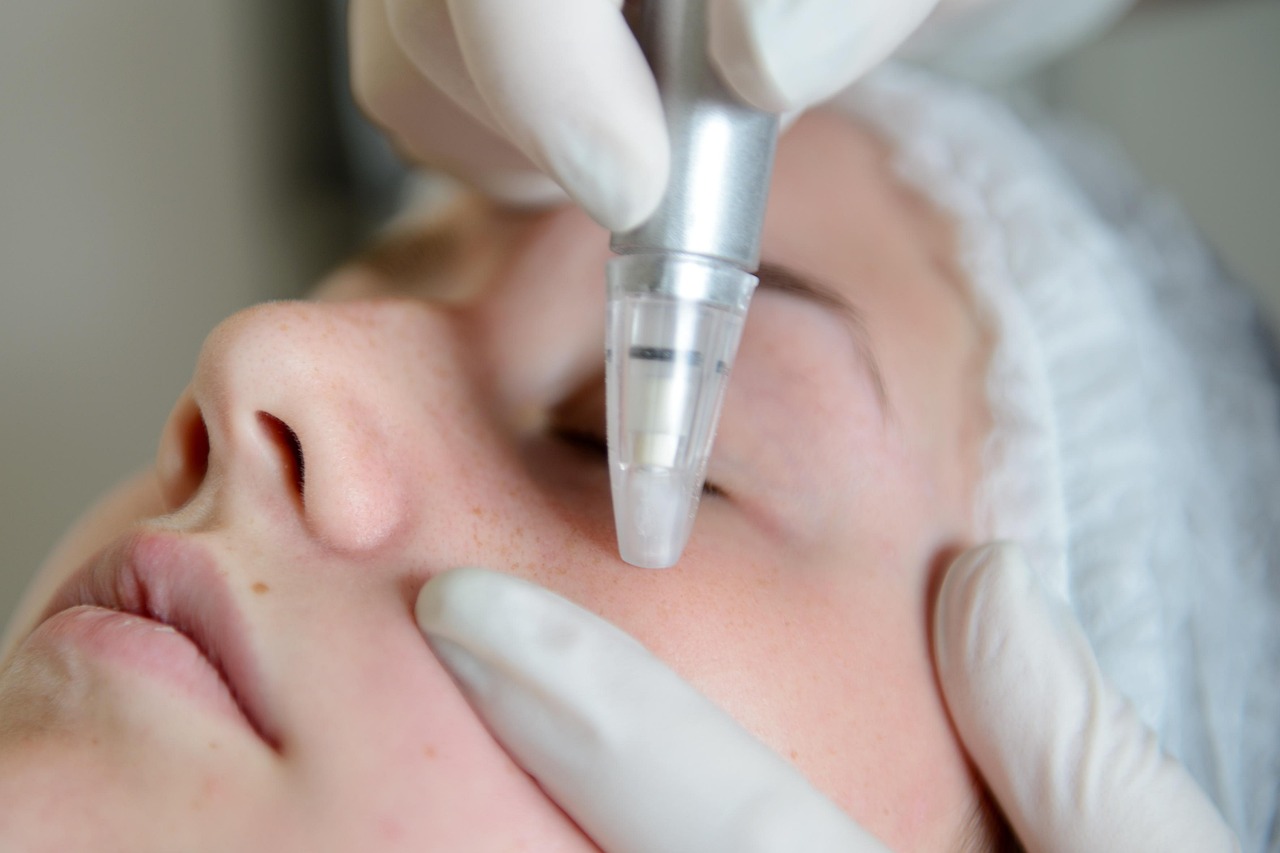
Why oily skin needs balance, not a harsher routine
Oily skin is linked to higher sebum production from sebaceous glands. Sebum is not an enemy; it helps lubricate the skin surface and supports normal barrier function. Problems are more likely when excess oil mixes with dead skin cells, sweat, cosmetics or comedogenic products, which can make pores look congested and raise the chance of blackheads, whiteheads and inflammatory pimples.
Oiliness is also influenced by factors that cannot always be controlled, including genetics, hormones, climate, humidity, stress and age. A good routine should reduce visible shine without pushing the skin into a dry, squeaky-clean state. If skin feels tight after washing, burns when products are applied or flakes around the nose and mouth, the routine may be too aggressive, even if the T-zone becomes shiny again later in the day.
A useful way to evaluate skincare products for oily skin is to ask what each step is supposed to do. A cleanser should clean without leaving the face tight. A moisturizer should reduce dehydration without feeling greasy. Sunscreen should protect against ultraviolet exposure without clogging pores. Treatments should target acne, texture or congestion rather than being added only because a label promises oil control.
| Routine goal | Helpful product language | Use caution with |
|---|---|---|
| Reduce surface oil | Gentle foaming, gel cleanser, oil-free | Scrubs, very frequent washing, harsh degreasing cleansers |
| Support hydration | Lightweight, gel-cream, lotion, noncomedogenic | Skipping moisturizer because the face looks shiny |
| Lower breakout risk | Noncomedogenic, won’t clog pores, acne-prone skin | Heavy occlusive balms on acne-prone areas |
| Protect from UV exposure | Broad-spectrum, SPF 30 or higher, noncomedogenic | Skipping sunscreen because some formulas feel greasy |
A simple morning routine for oily skin
The morning routine should be short enough to repeat every day. Oily skin often does well with a gentle gel or foaming cleanser, especially if the face feels greasy on waking. Dermatology guidance commonly recommends washing in the morning, in the evening and after heavy sweating, while avoiding aggressive scrubbing or repeated cleansing throughout the day.
- Cleanse gently. Massage cleanser over the skin with fingertips and rinse with lukewarm water. Hot water and rough washcloths can increase irritation.
- Apply an optional lightweight treatment. If the skin is acne-prone, a leave-on product with salicylic acid or azelaic acid may be useful. Start slowly instead of layering several actives right away.
- Use a noncomedogenic moisturizer. Oily skin can still be dehydrated. A gel, fluid or light lotion can help the skin feel more stable and may reduce the urge to over-cleanse.
- Finish with sunscreen. The American Academy of Dermatology advises broad-spectrum sunscreen with SPF 30 or higher. For oily or acne-prone skin, look for noncomedogenic or “won’t clog pores” language and a finish described as matte, gel, fluid or lightweight.
Sunscreen is often the hardest step for oily skin because older or richer formulas can feel heavy. The answer is not to skip it, but to test textures. Modern sunscreen formats include fluids, gels, invisible chemical sunscreens, mineral lotions and hybrid formulas. Some leave a soft-matte finish, while others sit better under makeup. If sunscreen pills, apply thinner layers, let moisturizer settle first and avoid combining too many silicone-heavy or powdery products in the same routine.
A practical evening routine for oil, pores and breakouts
The evening routine should remove the day’s buildup and give treatment ingredients time to work. If sunscreen or long-wear makeup is used, a first cleanse with micellar water, cleansing balm or cleansing oil can help dissolve residue, followed by a gentle water-based cleanser. People with acne-prone skin should choose rinse-off cleansing oils carefully and avoid leaving heavy residue on breakout-prone areas.
After cleansing, choose one main treatment direction. The updated American Academy of Dermatology acne guidance supports topical options such as benzoyl peroxide, topical retinoids, salicylic acid and azelaic acid for acne management. Mayo Clinic also notes that nonprescription acne ingredients can irritate or dry the skin, so conservative use is usually smarter than applying everything at once.
How to choose one active ingredient
| Ingredient | Best fit | Important limits |
|---|---|---|
| Salicylic acid | Blackheads, whiteheads, clogged-looking pores | Can sting, dry or irritate if used too often |
| Benzoyl peroxide | Inflamed pimples and acne-prone areas | Can bleach towels, pillowcases and hair; may cause dryness |
| Adapalene | Recurring clogged pores and acne maintenance | Start slowly; dryness and peeling can occur; daily sunscreen matters |
| Azelaic acid | Acne-prone skin with post-breakout marks or uneven tone | May tingle; results are gradual |
A simple schedule is often more effective than an ambitious one. Someone new to actives might use adapalene two or three nights a week, apply moisturizer on top and avoid other exfoliating acids on the same nights. Another person with occasional clogged pores might prefer a salicylic acid product a few times weekly and a plain moisturizer on the other nights. If benzoyl peroxide is used, a short-contact wash can be easier to tolerate than a strong leave-on product for some users.
Moisturizer still belongs in the evening routine. If a treatment causes dryness, using a lightweight moisturizer before or after the active can improve comfort. The best oily-skin moisturizer is not necessarily the thinnest product on the shelf; it is the one that hydrates without leaving a heavy film or triggering congestion for that person.
How to choose products without chasing every oil-control claim
Product labels can help, but they are not perfect. Oil-free and noncomedogenic are useful screening terms for oily and acne-prone skin, yet they do not guarantee that every individual will tolerate the formula. Texture, fragrance, film-formers, sunscreen filters, pigments and the rest of the routine all affect how a product behaves on the face.
For cleansers, avoid judging effectiveness by tightness. A cleanser that leaves the skin squeaky can disrupt comfort even if it temporarily removes shine. For moisturizers, look for water-light textures, humectants such as glycerin or hyaluronic acid, and barrier-supporting ingredients such as ceramides if dryness or irritation is present. For sunscreens, look beyond SPF alone and consider whether the finish is wearable enough for daily use. See also: BEAUTY INGREDIENTS.
| Marketing claim | What it may mean | What it does not prove |
|---|---|---|
| Mattifying | The formula may include powders or film-formers that reduce shine | It will not stop all oil production for the full day |
| Pore minimizing | It may blur texture or reduce the look of congestion | It cannot permanently shrink pores |
| Oil-free | The product is formulated without traditional oils | It is not automatically non-irritating or acne-safe for everyone |
| Noncomedogenic | Designed to be less likely to clog pores | It is not a universal guarantee against breakouts |
One practical test is to introduce only one new leave-on product at a time and use it consistently for at least two weeks unless irritation appears. This makes it easier to identify whether a new sunscreen, moisturizer or treatment is helping or causing problems.
Common mistakes that make oily skin harder to manage
- Over-washing. Cleansing many times a day can leave skin irritated and dehydrated, while oil returns quickly.
- Skipping moisturizer. Oily skin may still need hydration, especially when using acne treatments or exfoliating acids.
- Using too many actives. Combining retinoids, exfoliating acids and benzoyl peroxide too quickly can cause burning, peeling and barrier stress.
- Scrubbing pores. Physical scrubs may make skin feel smoother for a moment but can aggravate redness and irritation.
- Choosing sunscreen by texture alone. A cosmetically elegant sunscreen still needs broad-spectrum protection and adequate SPF.
- Ignoring hair and makeup products. Heavy hair oils, pomades and greasy complexion products can contribute to forehead or cheek breakouts in some people.
- Expecting instant results. Oil-control cosmetics can reduce shine quickly, but acne-focused ingredients often need consistent use over several weeks.
Blotting papers, translucent powder and mattifying primers can be useful during the day, but they should be treated as cosmetic support rather than the foundation of the routine. If the basic cleanser, moisturizer and sunscreen are not suitable for the skin, makeup fixes will have to work much harder.
When oily skin may need professional care
Oily skin by itself is not a medical problem, but persistent acne, painful cysts, scarring, sudden changes or breakouts that do not respond to consistent nonprescription care deserve professional guidance. A dermatologist can identify whether acne, rosacea, folliculitis, dermatitis, hormonal factors or medication-related changes are involved. This matters because the wrong self-treatment can delay improvement and increase irritation.
Professional treatment may include prescription-strength topical retinoids, combination acne medications, hormonal options for appropriate patients or oral medicines for more severe disease. Those decisions depend on age, pregnancy status, medical history, acne severity, skin tone, scarring risk and previous treatment response. For readers with mild oiliness and occasional clogged pores, however, the starting point remains much simpler: cleanse gently, moisturize lightly, protect with sunscreen and add only the treatment that matches the main concern.
Frequently asked questions
How often should oily skin be washed?
Most oily skin routines start with cleansing in the morning and evening, plus after heavy sweating. Washing more often may temporarily reduce shine but can leave the skin irritated or tight.
Does oily skin really need moisturizer?
Yes. Oily skin can still lack water and become irritated, especially when acne treatments, exfoliating acids or strong cleansers are used. Choose a lightweight, noncomedogenic gel, lotion or fluid rather than a heavy cream if rich textures feel greasy.
What type of sunscreen is better for oily skin?
The best sunscreen is broad-spectrum, SPF 30 or higher and wearable enough to apply every day. For oily skin, noncomedogenic fluids, gels, matte lotions and lightweight mineral or hybrid formulas are often easier to tolerate.
Can facial oils be used on oily skin?
Some people with oily skin tolerate a small amount of facial oil, but it is not essential. If breakouts are common, test oils cautiously and avoid applying them over acne-prone areas until you know how your skin responds.
How long does it take to judge a new oily-skin routine?
Comfort and shine may improve within days, but clogged pores and acne usually take longer to change. Give a simple routine several weeks if the skin is not irritated, and introduce new leave-on products one at a time.


