DMK skincare explained before you book a treatment or buy home care

What is DMK skincare?
DMK skincare is a professional, clinic-led skin revision system, not a typical over-the-counter beauty line. The brand, associated with founder Danné Montague-King, is best known for Enzyme Therapy and for its four-part concept: remove, rebuild, protect, and maintain. In practice, many consumers first encounter DMK through an esthetician or clinic treatment, then receive a home routine intended to support the treatment plan.
The main point for shoppers is that DMK positions its products as guided “home prescriptives,” not casual shelf picks. On its U.S. product information, DMK states that it does not sell products directly to consumers and directs people to DMK Certified Estheticians for selection. That makes the buying process different from mainstream skincare, where shoppers can compare ingredient lists, prices, and reviews online before checkout.
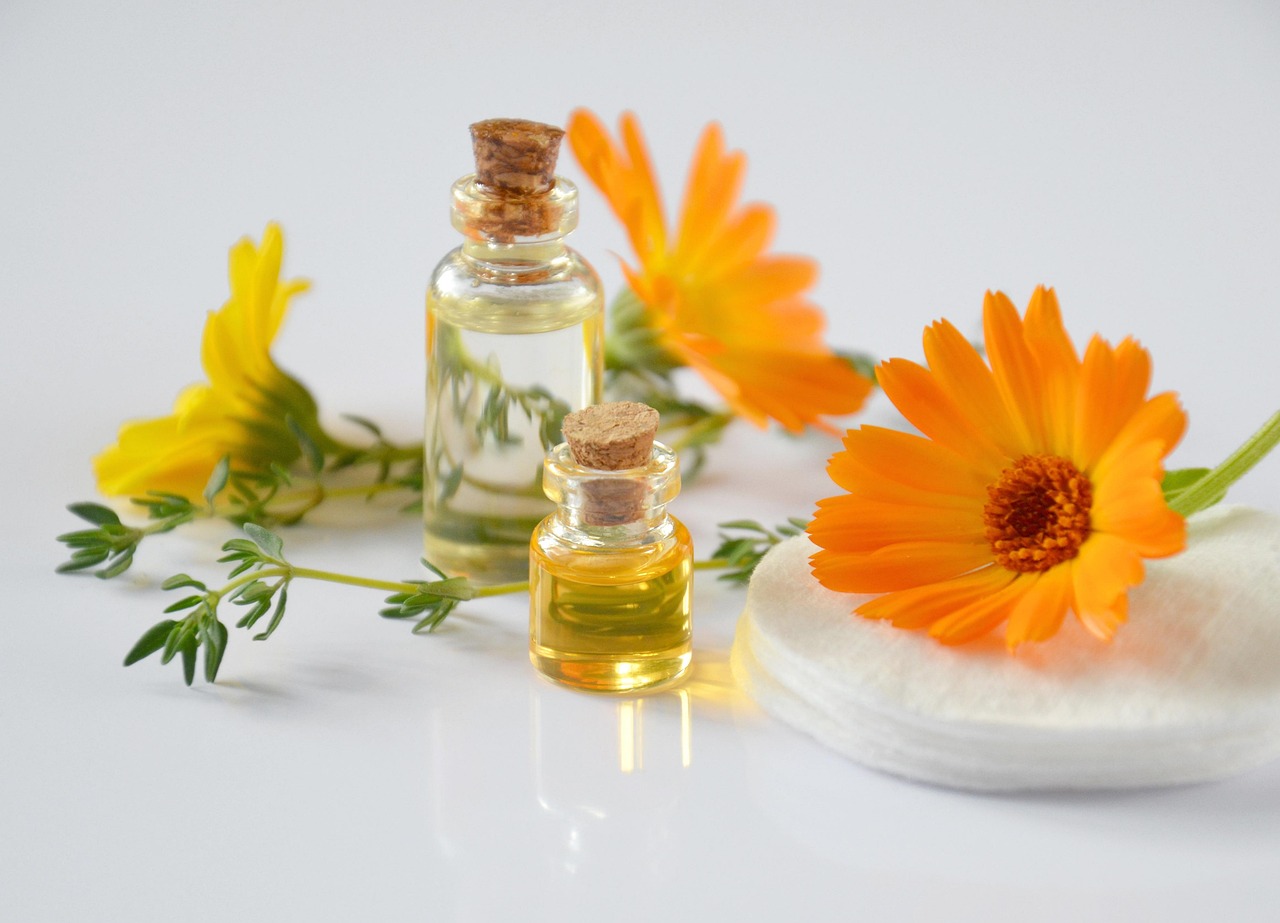
For readers comparing professional brands, our skincare products coverage focuses on how product systems fit into real routines, not only on brand claims.
How the DMK approach differs from a basic skincare routine
A basic dermatologist-style routine usually starts with a gentle cleanser, moisturizer, and daily broad-spectrum sunscreen. The American Academy of Dermatology continues to emphasize those fundamentals, especially sunscreen with SPF 30 or higher for daily protection. DMK does not replace those basics. It packages products and treatments into a more structured professional program.
The brand’s concept uses four stages:
- Remove dead surface cells and congestion through professional exfoliation or cleansing steps.
- Rebuild with serums, oils, masks, and creams intended to support the look and feel of healthier skin.
- Protect the skin from environmental stress, especially after more active treatments.
- Maintain results through a clinic-recommended home routine.
This model can be useful for people who want structure and professional oversight. It can also frustrate shoppers who prefer transparent online purchasing, visible prices, and simple ingredient-led decisions. A practical way to assess DMK is to separate three factors: the brand’s treatment philosophy, the skill of the clinic providing it, and the individual products recommended for home use.
What DMK Enzyme Therapy claims to do
DMK Enzyme Therapy is the brand’s signature treatment category. DMK describes it as a professional treatment designed to support circulation, oxygenation, lymphatic movement, and skin function. The treatment is often discussed online because the masque can create a visible temporary “plasmatic” pattern on the skin after removal. That visual effect is one reason the treatment has gained attention on social platforms and in beauty media.
The stronger claims need careful reading. DMK’s own materials use terms such as cellular function, homeostasis, oxygenation, and lymphatic drainage. Those terms reflect the brand’s philosophy, but they should not be treated as proof that every claim has the same level of independent clinical evidence as a regulated drug treatment. For acne, for example, the U.S. FDA recognizes certain over-the-counter active ingredients such as benzoyl peroxide and salicylic acid within specified concentration ranges. A professional facial system may improve the look of congestion for some users, but it is not the same category as an FDA-regulated acne medication.
For consumers, the practical question is not whether an enzyme facial sounds impressive. It is whether the clinic can explain the expected result, possible irritation, downtime, aftercare, cost, and what evidence supports the specific plan recommended for your skin.
Common DMK product categories and how they may fit into a routine
DMK’s product catalogue includes cleansers, masks, exfoliants, serums, nourishing creams, sprays, oils, eye and neck products, barrier-support products, body products, specialty formulas, and supplements. Product names vary by market and clinic access, but the system is generally organized around professional treatment plus home maintenance.
| Category | Typical role in a routine | What to ask before using |
|---|---|---|
| Cleansers | Remove oil, sunscreen, makeup, and debris without excessive stripping. | Is it appropriate for dry, oily, acne-prone, or reactive skin? |
| Exfoliants and masks | Support smoother texture and prepare skin for other steps. | How often should it be used, and what signs mean you should stop? |
| Serums and gels | Target specific concerns such as visible redness, congestion, or uneven tone. | Which active ingredients are included, and can they conflict with retinoids or acids? |
| Creams and barrier products | Support hydration, comfort, and barrier recovery after treatment. | Is it rich enough for your barrier condition but not too heavy for your skin type? |
| Sprays and mists | Add hydration or act as companion steps within a DMK routine. | Is it essential, or is it optional support for the main routine? |
| Sun protection and protective steps | Help protect treatment results from UV-related darkening and premature aging. | Does the final routine include broad-spectrum SPF 30 or higher for daytime? |
The key issue is compatibility. A DMK home plan may include several steps, but more steps are not automatically better. If you already use prescription tretinoin, acne medication, exfoliating acids, benzoyl peroxide, or a pigment treatment, the esthetician should know before recommending additional active products.
Who may be interested in DMK skincare?
DMK skincare may appeal to people who want a guided professional plan instead of a self-built routine. It may also interest consumers dealing with recurring congestion, dull texture, uneven tone, visible signs of aging, or skin that has not responded well to frequent product switching. Because DMK is often offered through trained clinics, the experience can feel more customized than buying a single serum online.
It is not the right fit for every skincare shopper. People who want low-cost basics, full online price comparison, minimal routines, or ingredient-first shopping may prefer a more transparent retail brand. People with eczema, rosacea, active dermatitis, a history of allergic reactions, recent laser treatment, isotretinoin use, pregnancy-related restrictions, or a compromised skin barrier should be especially cautious and may need a dermatologist’s guidance before any intensive facial or exfoliating program.
Budget also matters. Professional systems can involve the treatment fee plus multiple home products. Before starting, ask for the complete recommended routine, the approximate replacement schedule, and whether the plan can be simplified if your skin becomes irritated or your budget changes.
Benefits, limitations, and red flags to consider
The potential benefit of a clinic-led system is consistency. Many people damage their skin barrier not because one product is terrible, but because they combine too many strong products without a plan. A trained professional may help reduce that guesswork. DMK’s structured remove, rebuild, protect, and maintain framework can give users a clear path and encourage aftercare, which is often where treatment results are preserved or lost. See also: BEAUTY INGREDIENTS.
The limitation is that professional branding can make products harder to compare objectively. If pricing, ingredient lists, and alternatives are not clearly explained, consumers may feel pressured into a routine they do not fully understand. A responsible consultation should make room for questions rather than push a large purchase too quickly.
Watch for these red flags:
- The provider promises guaranteed results or says one treatment can fix every concern.
- You are discouraged from asking about ingredients, contraindications, or total cost.
- You are told to continue despite burning, swelling, persistent redness, or worsening irritation.
- The routine does not include daily sun protection after exfoliating or brightening steps.
- The plan ignores prescription medications or diagnosed skin conditions.
A strong consultation should cover your skin history, current products, allergies, medication use, recent procedures, and realistic expectations. The American Academy of Dermatology advises consumers to ask safety questions before cosmetic procedures because even non-surgical treatments can carry risk. That principle applies to intensive facial programs as well.
How to prepare for a DMK consultation
Before booking a DMK treatment, prepare as you would for any professional skin service. Bring a list of your current products, including cleanser, exfoliants, retinoids, acne treatments, pigment products, masks, and sunscreen. Mention prescription skincare, oral acne medication, recent peels, laser sessions, waxing, injectables, or any reaction history.
Ask these questions during the consultation:
- What is the main goal of this treatment plan? A plan for acne congestion should not be explained the same way as a plan for dehydration or uneven tone.
- Which products are essential and which are optional? This helps separate core aftercare from add-on steps.
- What should my skin look and feel like after treatment? Temporary tightness or redness may be expected in some treatments, but severe discomfort should not be minimized.
- What is the full cost over the first eight to twelve weeks? A professional routine may require product replenishment, not just one appointment.
- When should I contact the clinic or stop use? You should leave with clear guidance for irritation, breakouts, peeling, or swelling.
If the answers are vague, consider pausing. A good provider should be able to explain the treatment in plain language, including what is known, what is based on brand protocol, and what results cannot be guaranteed.
Frequently asked questions
Is DMK skincare medical grade?
DMK often uses professional and paramedical positioning, and its U.S. materials say products are not sold as ordinary over-the-counter items. However, “medical grade” is not a single universal regulatory category for cosmetics. The more useful question is whether a specific product is a cosmetic, an over-the-counter drug, or part of a professional treatment protocol in your market.
Can you buy DMK skincare online?
DMK’s U.S. product information states that it does not sell directly to consumers and recommends purchasing through a DMK Certified Esthetician after consultation. Availability can differ by country, distributor, or clinic, so buyers should verify the source before purchasing.
Is DMK Enzyme Therapy good for acne?
Some clinics recommend DMK protocols for congested or acne-prone skin, and the brand offers acne-focused product lines. Still, acne severity matters. Mild congestion, inflamed acne, cystic acne, and post-acne marks may require different approaches. For persistent or painful acne, a dermatologist can advise on regulated treatments such as benzoyl peroxide, salicylic acid, adapalene, topical antibiotics, or prescription options.
Does DMK skincare replace sunscreen?
No. Any routine involving exfoliation, brightening, acne care, or post-treatment recovery should include daily sun protection. Dermatology organizations commonly recommend broad-spectrum sunscreen with SPF 30 or higher, along with shade and protective clothing when appropriate.
Is DMK worth trying?
DMK may be worth considering if you want a professional, structured, clinic-guided plan and are comfortable asking detailed questions about cost, ingredients, aftercare, and expectations. If you prefer a simple, transparent, low-cost routine, start with cleanser, moisturizer, and sunscreen before committing to a more complex professional system.


