Foundation cosmetics in 2026 are becoming lighter, hybrid, and more regulated
What foundation cosmetics mean now
Foundation cosmetics used to be assessed mainly on coverage, shade match, and wear time. In 2026, the category is wider and more demanding. A modern foundation may be a classic liquid, stick, powder, serum foundation, skin tint, tinted moisturizer, or complexion balm. The core job is still to even the look of the skin, but shoppers now expect a more skin-like finish, clearer ingredient information, practical shade options, and claims that are easy to understand without being overstated.
For beauty brands and buyers, this shift is not only about aesthetics. It reflects changes in consumer behavior, stronger regulatory attention in the United States, and continued interest in products that feel closer to skin care while still performing as makeup.
For more category context, visit our cosmetics coverage.
Why foundation is moving beyond heavy coverage
The foundation category is being pulled in two directions. Color cosmetics are regaining energy as consumers return to more expressive makeup after several years of minimalist routines. At the same time, many shoppers do not want the texture, opacity, or maintenance associated with older full-coverage base products. That tension is one reason lighter complexion formats have become commercially important.
McKinsey’s 2026 State of Beauty analysis described color cosmetics as gaining momentum, supported by bolder makeup looks and the expansion of hybrid makeup and skin-care products. McKinsey also cautioned that skin care remains a strong priority, which may keep color cosmetics growth below some other beauty categories. For foundation, the point is clear: the category is not simply returning to the full-glam cycle of the past. The growth opportunity is often in products that make makeup feel more comfortable, flexible, and ingredient-aware.
U.S. retail data also shows that beauty remains resilient. Circana reported that prestige beauty retail dollar sales grew 4% in 2025 to reach $36 billion, while beauty sales in mass retail increased 5% to $72.7 billion. These are not foundation-only figures, but they describe the commercial environment in which complexion products are competing. Foundation now has to earn attention alongside skin care, fragrance, hair care, and lower-effort beauty categories.
The new product language of foundation
One of the clearest changes is language. Products that once would have been called foundation may now be marketed as skin tints, serum foundations, tinted drops, complexion enhancers, or tinted SPF products. Vogue reported in 2026 that Spate data showed year-over-year growth since April 2025 for skin tint, tinted moisturizer, and foundation search terms. This does not mean every shopper wants sheer coverage, but it does suggest that consumers are exploring softer, more skin-like formats alongside traditional base makeup.
For content teams and retailers, it is useful to separate product names from product function. A serum foundation may still offer medium coverage. A skin tint may still contain film formers, pigments, silicones, emollients, or sunscreen actives. A tinted moisturizer may be mainly a cosmetic, a drug-cosmetic if it makes SPF claims in the U.S., or a moisturizer with enough pigment to blur tone. The name alone does not explain the formula, the regulatory status, or the user experience.
| Format | Typical role | What to check |
|---|---|---|
| Liquid foundation | Flexible coverage from sheer to full | Finish, wear claim, shade depth, undertone, oxidation |
| Serum foundation | Lightweight base with skin-care-style positioning | Whether the active-looking ingredients are present at meaningful levels and whether claims are cosmetic or drug-like |
| Skin tint | Sheer evening of tone and texture | Coverage expectation, shade flexibility, transfer, and how it layers with sunscreen |
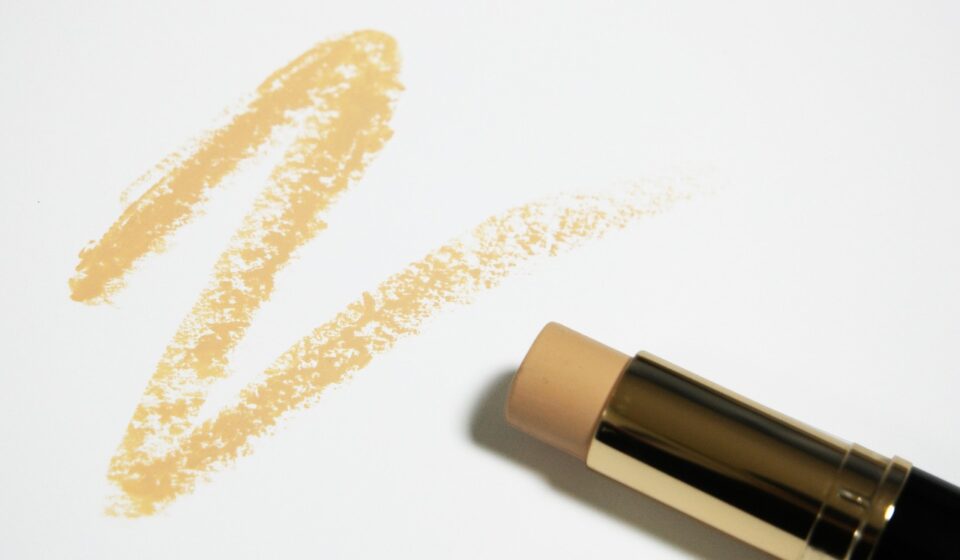
| Stick foundation | Portable spot coverage or full-face application | Blendability, comedogenic-feeling wax load, hygiene during repeated use |
| Powder foundation | Oil control, soft matte finish, or touch-up | Inhalation caution during loose-powder use, talc or mica preference, dry-skin comfort |
| Tinted SPF or SPF foundation | Complexion coverage plus sunscreen positioning | Drug Facts labeling in the U.S., broad-spectrum claim, SPF number, and reapplication instructions |
Regulatory and safety expectations are now part of the conversation
Foundation is a cosmetic category, but the regulatory environment around cosmetics has become more visible. In the United States, the FDA says cosmetic products and ingredients generally do not need premarket approval, except for color additives. Products still must not be adulterated or misbranded, and companies are responsible for safety and labeling. For foundation, this matters because colorants are central to shade creation, and label clarity is part of consumer trust.
The Modernization of Cosmetics Regulation Act of 2022, known as MoCRA, is especially relevant. The FDA describes MoCRA as the most significant expansion of its cosmetics authority since the Federal Food, Drug, and Cosmetic Act of 1938. Among other provisions, MoCRA added requirements around facility registration, product listing, safety substantiation, serious adverse event reporting, records access, and mandatory recall authority. The practical takeaway is that U.S. cosmetics oversight is no longer the same as it was a decade ago.
MoCRA also raised the importance of complaint handling. The FDA states that a responsible person must report serious adverse events associated with a cosmetic product in the United States within 15 business days and include a copy of the product label. This does not mean every irritation becomes a regulatory event. It does mean brands need reliable systems for receiving, documenting, and escalating serious safety complaints.
PFAS is a watch point, not a simple shopping shortcut
PFAS in cosmetics shows why foundation safety discussions need precision. On December 29, 2025, the FDA published a report on PFAS in cosmetic products. Based on mandatory product listing data submitted under MoCRA, the agency found 51 PFAS intentionally added as ingredients in 1,744 cosmetic product formulations sold in the U.S. as of August 30, 2024. The report said these represented 0.41% of total registered cosmetic products, and that eye shadows, leave-on face and neck products, eyeliners, face powders, and foundations were among the top categories for PFAS-containing products.
The same FDA report emphasized data gaps, including limited information about use levels and dermal absorption for some PFAS used in cosmetics. That distinction matters. It would be inaccurate to claim that every foundation contains PFAS, or that the FDA made one definitive safety conclusion for all PFAS-containing cosmetics. A more responsible reading is that PFAS is an ingredient-transparency and risk-assessment issue that brands, retailers, and ingredient-conscious shoppers are watching more closely.
SPF claims change the product category
Foundation with SPF can be convenient, but the claim changes how the product should be interpreted. In the U.S., a cosmetic intended to prevent sunburn or provide sunscreen protection is also regulated as an over-the-counter drug product. The American Academy of Dermatology recommends broad-spectrum, water-resistant sunscreen with SPF 30 or higher for sun-exposed skin, and also notes that moisturizers and cosmetics with SPF are convenient but must be reapplied when outdoors.
For consumers, this means SPF foundation should not be treated as a complete shield on its own. Coverage is often applied more thinly than sunscreen testing amounts, makeup can move during the day, and reapplication over a full makeup look is not always realistic. For brands and publishers, the safest message is practical: SPF complexion products may support a sun-protection routine, but label directions and adequate sunscreen use still matter.
How to evaluate a foundation formula without relying on hype
Good foundation selection starts with use case. A formula for daily office wear, a bridal look, humid weather, acne-prone skin, mature skin, photography, or quick touch-ups may require different trade-offs. The useful question is not whether a product is universally better, but whether its format, finish, shade system, and claims match the buyer’s routine.
Coverage and finish
Coverage ranges from sheer tint to full opacity. Finish usually sits somewhere between matte, natural, satin, radiant, and dewy. Matte formulas may appeal to oily skin or long-wear users, but they can emphasize texture if the film is too dry. Radiant formulas can make skin look fresher, but may migrate faster on oily areas. A balanced review should describe both the visible result and the conditions in which that result holds up. See also: BEAUTY INGREDIENTS.
Shade range and undertone
Shade count alone is not enough. A line with 40 shades can still have gaps if most shades cluster around light and medium tones or do not address olive, golden, neutral, red, and deep undertones. For foundation cosmetics, shade architecture matters as much as the headline number. Useful product information should explain depth, undertone, oxidation, whether shades dry down darker, and whether the range works across different lighting conditions.
Ingredient positioning
Hybrid foundations often highlight ingredients such as niacinamide, hyaluronic acid, peptides, squalane, ceramides, or botanical extracts. These can be appealing, but the presence of a familiar skin-care ingredient does not automatically prove a skin-care outcome. Claims need to be read carefully. If a product says it hydrates the skin’s appearance, that is different from claiming to treat a medical condition or permanently change skin structure.
Wear, transfer, and removability
Long-wear formulas often rely on film formers, volatile carriers, powders, or silicone networks that help pigment stay in place. The trade-off is that some formulas can feel tight, require faster blending, or need a more effective cleanser. Transfer-resistant does not always mean transfer-proof, especially around masks, collars, phones, and humid climates. A useful foundation review should state the wear context rather than making a universal promise.
Hygiene and shelf life
The FDA explains that cosmetic shelf life depends on product type, storage, and use. The agency also says U.S. law does not require cosmetics to have specific shelf lives or expiration dates on labels, although manufacturers remain responsible for product safety. Liquid complexion products deserve particular care because repeated exposure to fingers, brushes, sponges, air, and warm bathrooms can affect product quality. A change in smell, texture, separation, or performance is a practical reason to stop using a product, even if it has not reached a printed date.
The FDA’s microbiological safety materials also warn that cosmetics can become harmful if contaminated with pathogenic bacteria or fungi. Consumers can reduce risk by not sharing products, not adding water or saliva, washing hands before use, keeping containers clean, and storing cosmetics as instructed. These steps sound basic, but they are especially relevant to cream and liquid foundations used around acne, broken skin, or sensitive areas.
What this means for brands, retailers, and beauty publishers
The next stage of foundation cosmetics will reward clarity. Shoppers are comparing formulas not only by finish, but also by claim credibility, shade inclusivity, ingredient transparency, packaging, and how well a product fits real routines. For brands, that means less dependence on broad claims such as flawless, clean, or skin-perfecting and more emphasis on testable information: coverage level, finish, skin feel, wear context, shade logic, and label compliance.
Retailers can improve the category by organizing foundation around user needs rather than only texture. Useful filters include finish, coverage, undertone, skin type, fragrance presence, SPF status, talc preference, silicone preference, and transfer resistance. Shade finders and virtual try-on tools can help, but they should not replace clear undertone descriptions and transparent return policies.
Beauty publishers have a similar responsibility. A foundation article should avoid ranking products as universally best unless there is a clearly explained testing method. Stronger content compares formats, explains trade-offs, cites regulatory context in plain language, and tells readers what remains uncertain. That approach is more valuable than repeating launch copy or treating every serum foundation as a skin-care breakthrough.
Frequently asked questions
Are foundation cosmetics the same as concealer?
No. Foundation is generally designed to even the appearance of the face or selected areas of the complexion. Concealer is usually more concentrated and used for targeted coverage, such as under-eye darkness, blemishes, redness, or discoloration. Many routines use both, but a sheer foundation and a flexible concealer can sometimes replace a heavier full-face base.
Is serum foundation better than traditional foundation?
Not automatically. Serum foundation usually signals a lighter texture or skin-care-style positioning, but performance depends on the full formula. Some serum foundations are sheer and radiant, while others offer medium coverage and long wear. The better choice depends on skin type, desired finish, shade match, and whether the claims are realistic.
Can foundation with SPF replace sunscreen?
It should be approached carefully. SPF foundation can contribute to a sun-protection routine when used as directed, but many people apply makeup too thinly or unevenly to rely on it as their only protection. For outdoor exposure, dermatology guidance generally emphasizes broad-spectrum SPF 30 or higher, adequate amount, and reapplication.
How often should liquid foundation be replaced?
There is no single U.S. legal expiration rule for ordinary cosmetics. Follow the brand’s instructions, note any period-after-opening symbol if present, and watch for changes in smell, texture, color, separation, or irritation. Products used with fingers, sponges, or in warm storage conditions may need closer attention.
What is the most important foundation buying factor?
Shade match is essential, but it is not the only factor. A strong choice also matches undertone, coverage preference, skin feel, wear needs, ingredient comfort, and application habits. The most useful foundation is the one that performs reliably in the conditions where it will actually be worn.