Luxe cosmetics in 2026 are moving from status to measurable value
Why luxe cosmetics are being redefined
As of September 2026, luxe cosmetics are less about a logo on a heavy compact and more about whether a product can justify its premium through performance, sensory pleasure, transparency and design. The strongest luxury beauty propositions now combine elevated formulas, credible claims, desirable packaging and a smoother shopping experience. That shift matters because the beauty market remains resilient, but shoppers are more selective about what deserves a higher price. McKinsey’s June 2026 beauty report projects the global beauty market to grow by about 5% annually and reach $590 billion by 2030, while Circana reported that U.S. prestige beauty reached $36 billion in 2025, up 4% year over year. (mckinsey.com)
The premium tier is still powerful, but it is not immune to scrutiny. Consumers are comparing luxury cosmetics with dermatologist-backed skin care, K-beauty, masstige makeup and mass brands that increasingly borrow premium cues. For brands, retailers and editors, the question is no longer simply whether a product looks expensive. The more useful question is whether the full experience makes the price feel earned.

The market is premium, but shoppers are selective
The U.S. prestige and mass beauty markets both grew in 2025, showing that premium demand is real but still shaped by broader value behavior. Circana reported that prestige beauty dollar sales rose 4% to $36 billion in 2025, while mass beauty increased 5% to $72.7 billion. Prestige makeup remained the largest prestige category and grew 4%; prestige skin care grew 3%; prestige fragrance grew 5% and became the second-largest segment in prestige retail. At mass, fragrance was the fastest-growing category, rising 15% in dollars. (globenewswire.com)
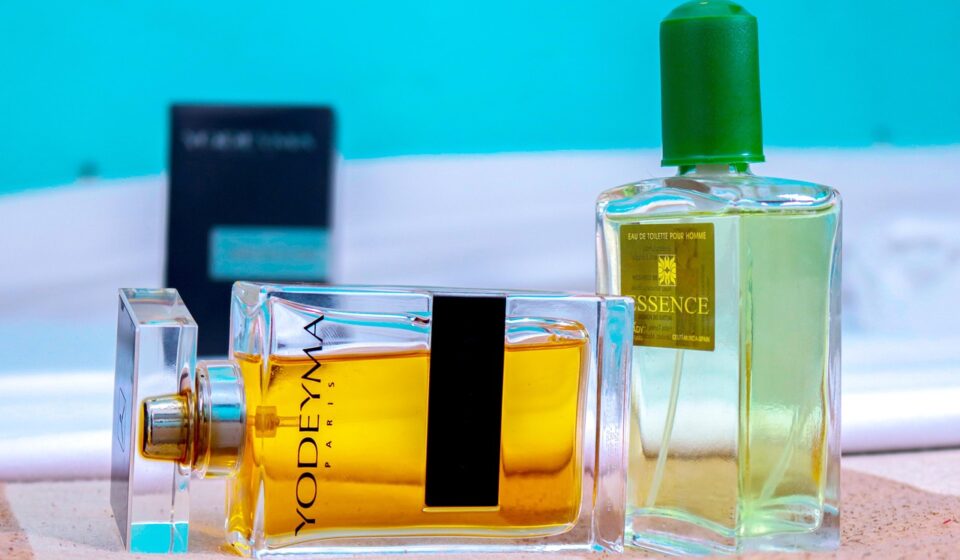
These figures point to a more nuanced luxury story. Shoppers are still spending on beauty, but the reasons differ by category. Makeup is benefiting from hybrid products such as lip oils, balms and complexion formulas that blend color with care. Skin care is under more pressure because lower-priced brands can now communicate ingredients, dermatologist credibility and visible-results claims effectively. Fragrance remains well suited to premiumization because scent, concentration, bottle design and giftability all support emotional value.
| Market signal | What it suggests | Implication for luxe cosmetics |
|---|---|---|
| Prestige growth continued in 2025 | Premium beauty has not disappeared | Luxury positioning can still work when it feels justified |
| Mass beauty also grew strongly | Value and accessibility remain influential | Price alone is a weak luxury signal |
| Fragrance outperformed many segments | Sensory and emotional categories remain resilient | Scent, ritual and storytelling matter, but must be handled transparently |
| Hybrid makeup gained attention | Consumers like multifunctional benefits | Luxe color cosmetics need more than decorative appeal |
What makes a product feel luxe now
A modern luxe cosmetic usually earns its position through several layers at once. Formula performance is the first layer: a lipstick should apply evenly, a foundation should wear comfortably, a cream shadow should resist creasing, and a serum-like complexion product should not rely only on ingredient buzzwords. Texture matters just as much. Weight, glide, dry-down, finish and how the product behaves after several hours often decide whether it feels premium in daily use.
The second layer is sensory design. Luxury beauty has always used touch, scent, sound and visual detail to create ritual, but the standard is higher now. A magnetic closure or glass bottle can feel beautiful, yet it will not rescue a leaky pump, a hard-to-clean applicator or packaging that is too heavy for travel. Luxe cosmetics work best when design supports use rather than merely signaling expense.
The third layer is credibility. McKinsey’s 2026 analysis notes that, in skin care, the old assumption that premium equals performance no longer holds as lower-priced dermatologist-backed and K-beauty players win shoppers with visible results and clinical credibility. This does not mean luxury skin care lacks value. It means high-end formulas need clearer reasons to exist: better sensoriality, stronger usability, thoughtful regimen design or claim support that consumers can understand. (mckinsey.com)
The fourth layer is restraint. A product can feel premium because it is edited, precise and consistent. Too many claims, unclear sustainability language, vague clinical phrasing or overdecorated packaging can make a product feel less trustworthy. In 2026, luxury beauty is moving toward proof-led emotion: products still need desire, but desire is stronger when shoppers can see what they are paying for.
Regulation and transparency are part of the premium experience
Regulation is not glamorous, but it increasingly shapes what premium beauty means. In the United States, the FDA’s MoCRA registration and listing system has made cosmetic facility and product information more structured. The FDA reported 16,398 unique active facility registrations and 1,298,361 unique active product listings as of June 30, 2026. The agency also states that registration and listing are not an approval program, and that a facility registration number or product listing number does not indicate FDA approval of a facility or cosmetic product. (fda.gov)
That distinction is especially important for luxe cosmetics because premium packaging can make ordinary compliance language look like a quality seal. A responsible brand should avoid turning registration, listing or regulatory wording into a misleading marketing badge. For shoppers, the practical takeaway is simple: a product can be listed without being pre-approved by the FDA, so claims, ingredient information, directions and warnings still deserve careful reading.
In the European Union, fragrance allergen labeling is becoming more visible. Commission Regulation (EU) 2023/1545 added individual labeling requirements for 56 additional fragrance allergens and set concentration thresholds of above 0.001% in leave-on products and above 0.01% in rinse-off products. Since July 31, 2026, non-compliant cosmetic products may no longer be placed on the EU market, while products already placed on the market before that date may continue to be made available until July 31, 2028. (single-market-economy.ec.europa.eu)
For luxury beauty, these rules reinforce a larger point: transparency is not the opposite of sophistication. A longer ingredient list can look less minimal on pack, but it can help fragrance-sensitive consumers identify substances they need to avoid. Premium beauty should make that information legible rather than hide it behind aesthetics.
Refillable packaging needs convenience, not just beauty
Refillable design is one of the most visible ideas in luxe cosmetics, especially in fragrance, lipstick and skin care jars. It fits the luxury playbook because durable objects, collectible cases and long-term ownership can feel more premium than disposable packaging. But refillability is not automatically successful. It has to be easy to buy, hygienic to use, pleasant to store and clear about its environmental trade-offs. See also: BEAUTY INGREDIENTS.
Mintel’s February 2026 beauty packaging analysis shows why the opportunity is real but uneven. The firm reported that refillable formats saw only 7% growth in U.S. launches between 2022 and 2024, while sustainable fragrance packaging increased 80% over the same period. Mintel also noted that almost 70% of U.S. consumers say in-store refilling is inconvenient, and that hygiene and infrastructure remain barriers. (mintel.com)
This is where luxury brands face a specific challenge. A refill system cannot feel like a downgrade. The refill must protect product integrity, fit securely, minimize mess and preserve the pleasure of the original packaging. Glass and aluminum can signal durability and premium quality, but weight, breakage, cost and recyclability still need consideration. Refill pouches can be convenient, but they may create their own packaging questions if the material is difficult to recycle.
The stronger direction is practical luxury: packaging that looks good, works cleanly, provides clear refill instructions and avoids exaggerated sustainability claims. A beautiful case is a starting point. A refill system that people actually repeat is the harder achievement.
How to evaluate luxe cosmetics before buying or positioning a brand
For consumers, luxe cosmetics should be judged by the whole experience, not just the counter display. For brands and content publishers, the same framework can help separate meaningful premium value from decorative premium language. More market commentary on beauty categories can be found in our COSMETICS section.
| Question to ask | Why it matters | What to look for |
|---|---|---|
| Does the formula solve a clear need? | Luxury should not depend only on prestige cues | Wear, texture, shade range, finish, comfort and consistency |
| Are the claims specific? | Vague claims are hard to verify | Clear benefit language, appropriate directions and realistic limits |
| Does the packaging improve use? | Beautiful packaging can still be impractical | Clean dispensing, secure closure, durability and portability |
| Is scent handled responsibly? | Fragrance can elevate or irritate | Ingredient transparency and suitable options for sensitive users |
| Is the refill system easy to repeat? | Refillability only matters if people use it | Available refills, simple installation, hygienic design and clear disposal guidance |
| Does the product remain desirable after purchase? | True luxury lasts beyond unboxing | Daily usability, finish over time and whether the product fits real routines |
The editorial conclusion is that luxe cosmetics are not disappearing; they are becoming more accountable. In fragrance, luxury still has a strong emotional advantage. In makeup, hybrid formulas and expressive finishes give prestige brands room to innovate. In skin care, premium brands must work harder because credibility is no longer reserved for expensive products. Across every category, the strongest premium products are those that make quality visible in use.
Frequently asked questions
What does luxe cosmetics mean?
Luxe cosmetics generally refers to beauty products positioned above standard mass-market items through formula experience, design, brand world, packaging, retail environment or sensory appeal. The term is broader than luxury makeup alone because it can include skin care, fragrance, complexion products, lip products and hybrid cosmetics.
Are luxe cosmetics the same as prestige beauty?
They overlap, but they are not identical. Prestige beauty is often a retail and market-data category, while luxe cosmetics is a more descriptive term for products that feel premium. A prestige product may not feel luxe if the packaging or performance disappoints, and a smaller niche product may feel luxe without being part of a large prestige group.
Are expensive cosmetics always more effective?
No. A higher price can reflect ingredients, packaging, research, brand equity, distribution or marketing. It does not automatically prove better performance. This is especially true in skin care, where lower-priced brands increasingly compete with clear ingredient stories and dermatologist-oriented positioning.
Why is fragrance so important in luxury beauty?
Fragrance supports luxury because it is emotional, personal and highly sensory. It also works well as a gift and can justify premium packaging. However, scent should be presented responsibly because some consumers are sensitive to fragrance ingredients and need transparent labeling.
Do FDA product listings mean a cosmetic is approved?
No. The FDA states that cosmetic facility registration and product listing under MoCRA are not an approval program. A listing number or registration number should not be treated as proof that the FDA has approved a cosmetic product.