Centella skincare explained for sensitive skin and barrier support
What centella skincare actually offers
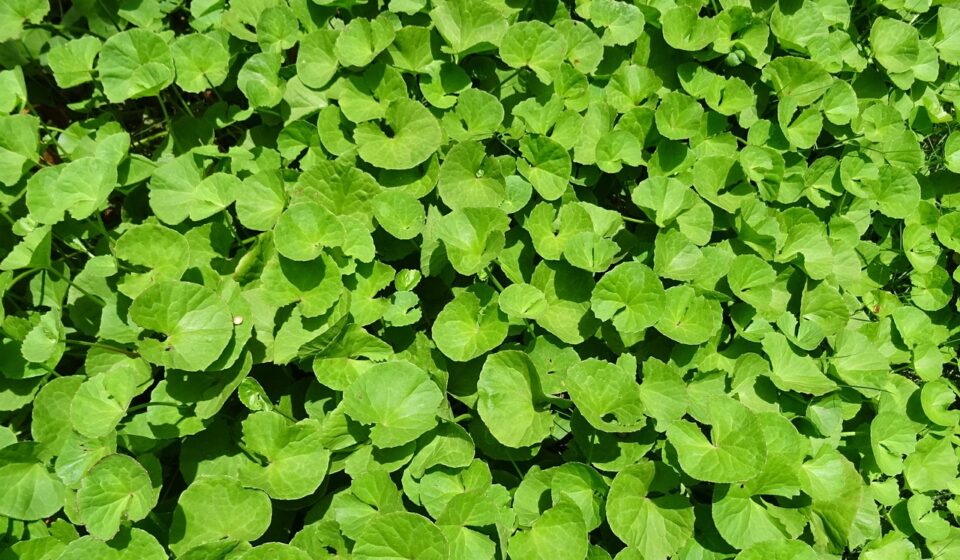
Centella skincare has become a common label for cica creams, serums, masks and toners made for skin that feels dry, stressed, tight or easily flushed. The ingredient comes from Centella asiatica, a plant also known as gotu kola. Cosmetic formulas may use the whole extract, leaf water, or isolated compounds such as madecassoside and asiaticoside.
The practical takeaway is straightforward: centella can be a useful soothing and barrier-support ingredient, especially when it sits in a well-built formula with humectants, emollients and low-irritation supporting ingredients. It should not be treated as a medical treatment for eczema, rosacea, wounds or acne. That distinction matters. A calming cosmetic may make a routine feel more comfortable, but it cannot replace diagnosis, prescription care or sunscreen.
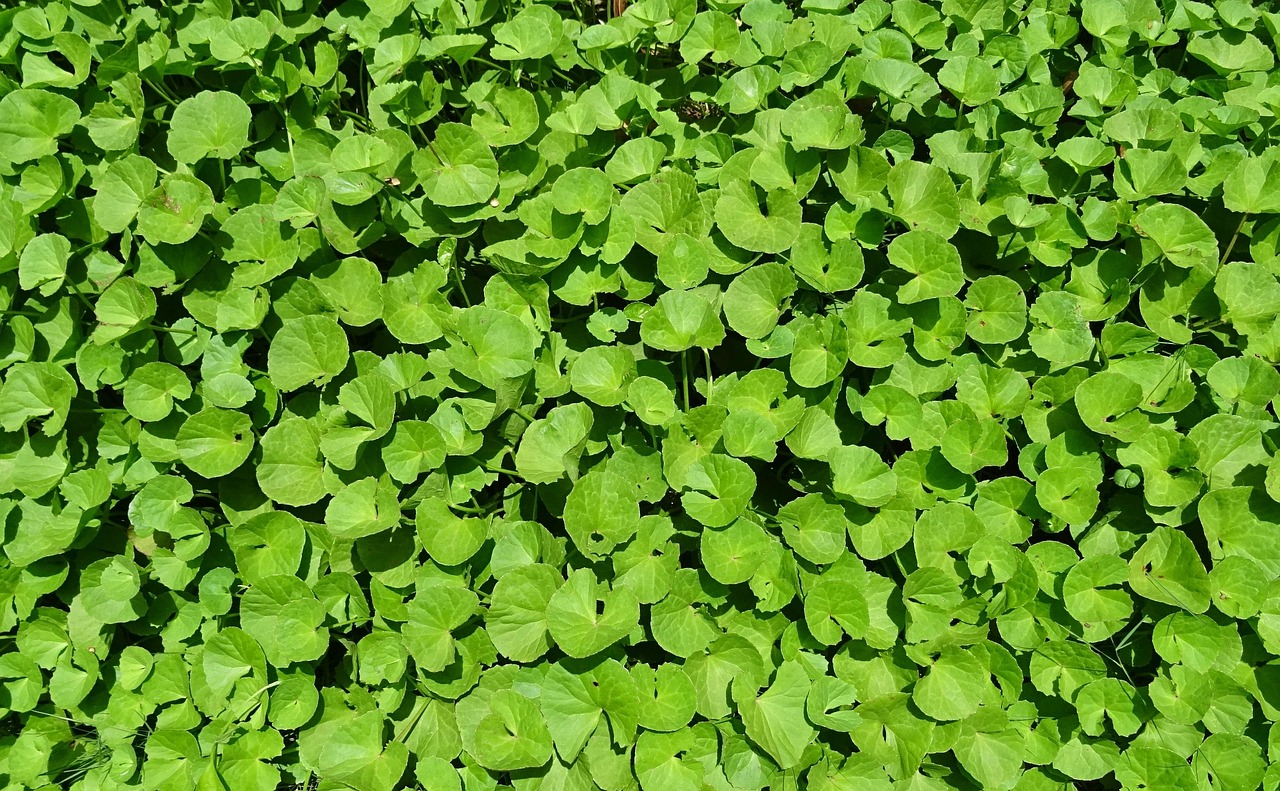
For readers comparing ingredient-led products, centella is worth understanding because it appears across many K-beauty and sensitive-skin lines. The challenge is that “cica” on the front label does not tell you the concentration, extract quality, supporting base or irritation risk. The better question is not whether centella is popular, but whether the whole formula fits the skin type, routine and use case.
Why centella is used in skincare formulas
Centella asiatica contains a group of compounds often discussed in dermatology and cosmetic science: asiaticoside, madecassoside, asiatic acid and madecassic acid. Published reviews describe these triterpenes as the main components behind centella’s interest in skin comfort, visible redness care and repair-related research. Much of the mechanistic evidence comes from laboratory or wound-healing research, where the ingredient has been studied for effects connected with inflammation pathways, antioxidant activity and collagen-related processes.
That does not mean every face cream with centella will rebuild the skin or erase irritation. Cosmetic products vary widely. Some contain a high percentage of centella water but relatively little of the key triterpenes. Others use a smaller amount of purified madecassoside or a standardized extract. Many pair centella with panthenol, glycerin, ceramides, allantoin or niacinamide, which may be just as important to the product’s final skin feel and performance.
In practical skincare language, centella is most useful as a support ingredient for comfort-focused routines. It is commonly chosen when the goal is to reduce the look of stressed skin, make an active-heavy routine more tolerable, or add a lightweight calming step after cleansing. If the product also includes fragrance, strong essential oils, high alcohol levels or multiple exfoliating acids, cica branding alone should not be treated as proof that the formula is gentle.
What the evidence supports and where it is limited
The evidence around centella is promising but uneven. One useful example is a small human cosmetic study published in 2016 that tested creams and hydrogels with 2.5% and 5% Centella asiatica extract on 25 volunteers over four weeks, applied twice daily to the forearm. The study reported improvements in skin hydration and transepidermal water loss, with stronger results in the 5% emulsion. This supports the idea that centella-containing formulas can contribute to hydration and barrier measurements, but it does not prove that every retail cica serum will perform the same way on the face.
Safety assessments also need careful reading. The 2023 Cosmetic Ingredient Review assessment concluded that several Centella asiatica-derived cosmetic ingredients are safe in current practices of use and concentration when formulated to be non-sensitizing. That conclusion is useful, but it is not a guarantee that no user will react. Botanical extracts can vary by plant part, extraction method, solvent, purity and supporting formula.
| Common claim | What is reasonably supported | Important limitation |
|---|---|---|
| Soothes stressed skin | Centella is often used in formulas designed for comfort and visible redness care. | Soothing depends on the whole formula, not centella alone. |
| Supports the skin barrier | Small human cosmetic research has measured hydration and TEWL improvements in specific centella formulas. | Results from one formula do not transfer automatically to all products. |
| Helps repair | Reviews connect centella compounds with wound-healing mechanisms in biomedical research. | A cosmetic cannot claim to treat wounds, eczema or other diseases unless regulated for that use. |
| Good for sensitive skin | Many cica products are designed for low-sting, barrier-focused routines. | Some people can still experience burning, allergy or contact dermatitis. |
How to read a centella product label
When assessing centella skincare, start with the ingredient list rather than the front label. In the United States and many other markets, ingredients above 1% are generally listed in descending order, while ingredients at 1% or below may have more flexible ordering. A centella ingredient near the top of the list can suggest a meaningful presence, but it still does not reveal the amount of active triterpenes. A purified ingredient lower on the list may still be intentionally used, while a large amount of plant water does not necessarily mean a large amount of madecassoside.
The names below appear often on labels:
- Centella asiatica extract: a broad term for plant extract; quality and composition can vary.
- Centella asiatica leaf water: a water-based ingredient that may support a centella-led marketing story but does not automatically indicate high active content.
- Madecassoside: a purified centella-derived compound often used in calming and barrier-focused formulas.
- Asiaticoside, asiatic acid and madecassic acid: related compounds that may appear separately in more ingredient-transparent products.
- TECA or titrated extract of Centella asiatica: a standardized extract term used more often in technical or dermocosmetic contexts.
Next, look at the rest of the formula. For dry or compromised-feeling skin, centella pairs well with glycerin, panthenol, squalane, ceramides, cholesterol and fatty acids. For oily or breakout-prone skin, a lighter gel cream or serum may be preferable to a heavy balm. For reactive skin, a shorter formula with no fragrance may be more sensible than a long botanical blend. More plant extracts do not always mean more calming; sometimes they simply increase the number of variables the skin has to tolerate.
You can find more ingredient and product-category explainers in our skincare products section.
How to use centella in a routine
Centella is usually easiest to place after cleansing and before or within moisturizing. A watery toner or serum can sit before moisturizer, while a cica cream can be the final non-sunscreen step at night. In the morning, sunscreen remains the last skincare step if you are going outdoors. Centella does not replace UV protection, and it should not be used to justify overexposure after exfoliation, retinoids or procedures. See also: BEAUTY INGREDIENTS.
For dry or tight skin
Choose a cream or lotion where centella is supported by humectants and barrier lipids. Glycerin, panthenol, ceramides and non-fragrant emollients are useful signs. If skin feels tight after cleansing, a centella serum alone may not be enough; it may need to be sealed with a moisturizer.
For oily or acne-prone skin
Look for lightweight gels, gel creams or fluid serums. Centella may help make a routine feel less aggressive, especially alongside benzoyl peroxide, salicylic acid or retinoids, but it is not an acne treatment by itself. Do not assume that a “calming” balm will be suitable if it is rich in heavy oils or waxes that the skin usually dislikes.
For active-heavy routines
If skin is stinging, peeling or unusually red, the most effective step may be reducing the frequency of strong actives rather than adding more products. Centella can be part of a reset routine, but the reset should also include a gentle cleanser, a reliable moisturizer and sunscreen. If irritation persists, stop the suspected trigger and seek professional advice.
Safety and claim boundaries
Centella has a generally favorable cosmetic safety profile, but “natural” does not mean risk-free. Possible reactions include stinging, burning, itching, redness or contact dermatitis. Patch testing is especially sensible for people with a history of fragrance allergy, eczema-prone skin, frequent product reactions or a damaged-feeling barrier. Apply a small amount to a discreet area for several days before using it widely on the face.
It is also important to separate cosmetic language from medical language. Under current U.S. cosmetic law, ordinary cosmetics do not receive FDA premarket approval, except for color additives, and products can cross into drug territory if they claim to diagnose, cure, mitigate, treat or prevent disease. For shoppers, phrases such as “calms the look of redness” or “supports the skin barrier” are very different from claims to treat rosacea, eczema, burns or wounds. If a product makes treatment-level promises without being regulated for that use, read cautiously.
Frequently asked questions
Is centella skincare good for sensitive skin?
It can be, but only when the complete formula is suitable. Centella is often used in products made for sensitive or redness-prone routines, yet fragrance, exfoliating acids, alcohol level, preservatives and texture all influence tolerability. Sensitive skin users should prioritize simple, fragrance-free formulas and patch test first.
Is cica the same as Centella asiatica?
In skincare marketing, cica usually refers to Centella asiatica or centella-derived compounds. The term is not specific enough to show whether a product contains whole extract, leaf water, madecassoside or a standardized triterpene blend, so the ingredient list matters.
Can centella repair the skin barrier?
Centella-containing formulas may support barrier comfort and hydration, and some cosmetic research has measured improvements in transepidermal water loss for specific formulas. Still, barrier recovery depends on reducing irritants, using enough moisturizer and protecting skin from UV exposure. Centella should be viewed as supportive, not as a standalone fix.
Can I use centella with retinol, vitamin C or exfoliating acids?
In many routines, yes. Centella is not usually the ingredient that creates conflict. The bigger issue is total irritation load. If retinol, vitamin C or acids are making skin sting or peel, reduce frequency and use centella in a simple moisturizing step rather than layering several active products at once.
How long does centella take to work?
Comfort benefits may feel noticeable within days if the formula reduces dryness or stinging, while hydration and barrier-related changes are usually better judged over several weeks. If a product causes persistent burning, swelling or a worsening rash, stop using it instead of waiting for an adjustment period.