Cardboard packaging design for beauty products that balances recyclability and shelf appeal

Why cardboard packaging design matters for beauty brands
Cardboard packaging design is no longer only a branding exercise for beauty products. A carton, sleeve, rigid box, insert, or mailer has to protect the product, explain the formula, work in retail and e-commerce handling, and avoid end-of-life claims that cannot be substantiated. Cardboard and paperboard are widely used in cosmetics because they are printable, lightweight, familiar to consumers, and often accepted in paper recycling streams.
That does not make every cardboard pack recyclable or lower impact. Foil laminates, plastic windows, magnetic closures, heavy coatings, mixed-material inserts, and oversized secondary boxes can all reduce the practical value of a fiber-based format. For beauty packaging, the useful question is not simply “Can we use cardboard?” It is: can the whole pack be right-sized, legible, protective, attractive, and realistically recoverable?
For more packaging insights, visit the packaging design section.
What cardboard means in beauty packaging
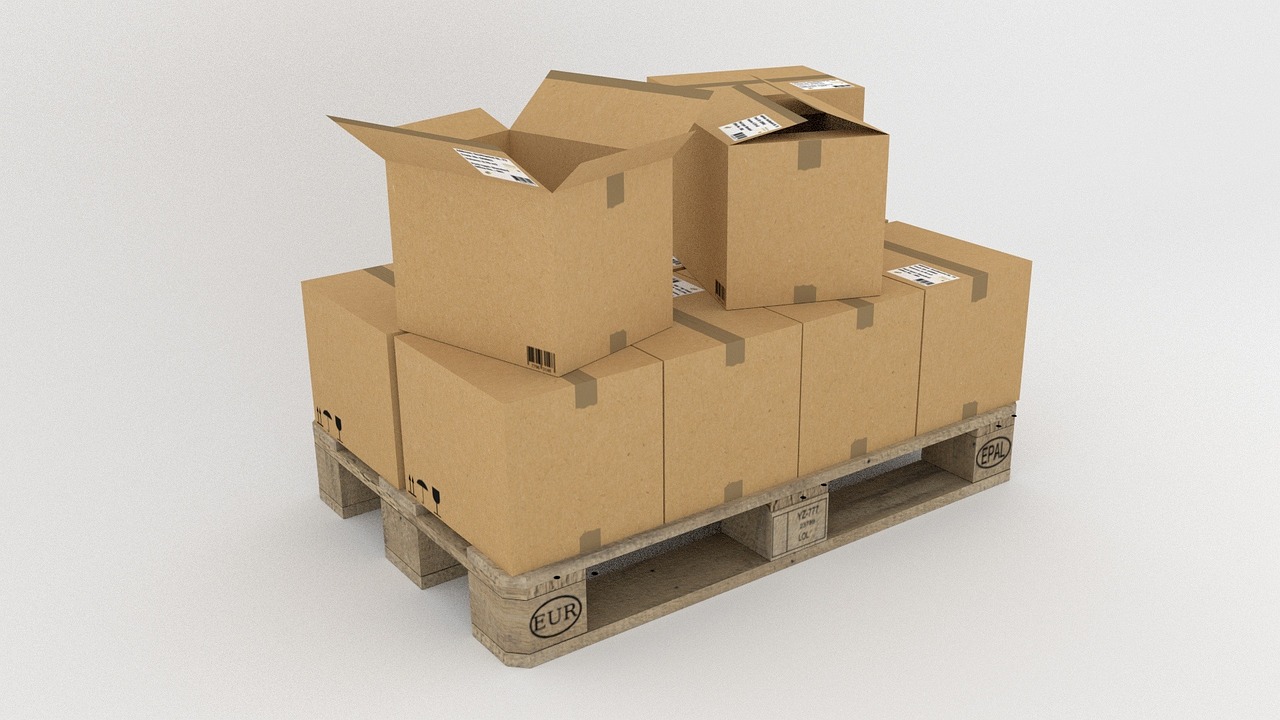
In beauty packaging, “cardboard” is often used as a broad term. In practice, designers work with several fiber-based formats. Folding cartons are common for skincare bottles, fragrance boxes, makeup palettes, toothpaste, hair care, and many boxed cosmetics. Corrugated cardboard is more common in shipping cartons, subscription boxes, protective e-commerce mailers, and retail display units. Rigid paperboard boxes are used for prestige fragrance, gift sets, and limited-edition beauty launches. Molded fiber and paperboard inserts may replace plastic trays in kits or refill systems.
The role of the pack also matters. A primary package directly contains the product, such as a paper stick for solid balm. A secondary package surrounds the primary container, such as a carton around a serum bottle. Tertiary packaging protects goods during shipping and distribution. Each level brings a different design challenge. A small folding carton must carry mandatory information and brand cues in limited space. A corrugated shipper must resist crushing, abrasion, and moisture. A rigid gift box should justify its material use through reuse, refill support, or a clear premium purpose rather than decoration alone.
Beauty products also carry labeling and safety expectations. ISO 22715:2006, confirmed as current by ISO in 2022, specifies requirements for cosmetics packaging and labeling as defined by national or regional rules. That does not mean every cardboard box follows one global format, but it does reinforce a practical point: structure and graphics cannot be separated. Ingredient lists, responsible person details, warnings, period-after-opening symbols, nominal contents, batch information, and usage directions may all influence panel size, typography, coatings, and print hierarchy.
Start with structure before graphics
Many cardboard packaging projects begin with color, logo placement, and finish. For beauty products, structure should come first. Product dimensions, fragility, leakage risk, weight, sales channel, and shipping route determine whether a standard reverse tuck carton, straight tuck carton, crash-lock base, sleeve, tray-and-sleeve system, corrugated mailer, or rigid box is appropriate.
A useful structural brief should answer four questions before artwork begins:
- What must the pack protect? Glass serum bottles, loose powder, fragrance vials, and refill pouches need different shock, compression, and orientation controls.
- Where will it be sold? Retail shelves, marketplaces, subscription boxes, salons, hotel amenities, and direct-to-consumer orders create different handling and information needs.
- What can be removed? Empty headspace, double boxing, redundant inserts, and decorative bands should be questioned before new materials are added.
- How will the consumer dispose of it? If separation is required, the design should make that step obvious and easy.
Right-sizing is especially important in beauty. A luxury-looking carton that is much larger than the bottle may create shelf impact, but it also increases paper use, freight volume, and consumer skepticism. A stronger route is often a smaller structure with smarter opening mechanics, tactile paper, controlled color contrast, and a clear focal panel.
Designing for recyclability without flattening the brand
Paper and paperboard packaging has strong recovery potential compared with many other packaging materials, but recyclability depends on the full package, not only the base board. The U.S. EPA’s 2018 Facts and Figures data reported an 80.9% recycling rate for paper and paperboard containers and packaging, while corrugated boxes reached 96.5%. The same EPA dataset estimated the recycling rate for plastic containers and packaging at 13.6%. These figures explain why many beauty brands explore fiber-based formats, but they do not guarantee that a specific beauty carton will be accepted by every local program.
Designers should treat recyclability as a set of constraints that can still support premium aesthetics. Paper-friendly embossing, debossing, precision die cuts, monochrome ink systems, high-quality uncoated board, and structural reveals can feel elevated without relying on plastic windows or heavy laminates. If a metallic look is essential, the team should test whether foil coverage, transfer metallization, or specialty ink affects the intended recycling stream. If water resistance is needed, coating choices should be discussed with suppliers and recyclability assessors early, not after the artwork is approved.
| Design feature | Potential recycling issue | Better design approach |
|---|---|---|
| Plastic window | Creates a mixed-material component and may require separation | Use a die-cut reveal without film, a product illustration, or a removable window design only when necessary |
| Full plastic lamination | Can make fiber recovery harder depending on construction and local systems | Use recyclable coatings, varnish alternatives, or uncoated tactile board where feasible |
| Magnets and rigid closures | Adds non-paper parts that are difficult for consumers to remove | Use paper locking tabs, friction-fit sleeves, or reusable structures with clear separation guidance |
| Oversized inserts | Increases material use and may be discarded separately | Reduce void space, use integrated paperboard supports, or use molded fiber only where protection requires it |
| Vague green claims | May mislead consumers if not supported by access and evidence | Use specific claims such as recycled content percentage or disposal instructions after verification |
Choosing board, sourcing, and finishes
Board choice affects strength, print quality, tactile feel, cost, and sustainability messaging. Solid bleached sulfate board can deliver a bright white surface for skincare and clinical beauty aesthetics. Folding boxboard often balances stiffness and print performance for mass and masstige cosmetics. Kraft board communicates a natural look, although a brown appearance alone is not proof of lower impact. Recycled paperboard can support circularity goals, but surface smoothness, odor, stiffness, and color consistency should be checked for beauty applications where presentation matters.
Sourcing claims need the same precision. The Forest Stewardship Council describes FSC Mix as a combination of FSC virgin fiber, controlled virgin fiber, and/or recycled material, while FSC Recycled indicates 100% recycled fiber. Those labels are useful, but they are not interchangeable with broad claims such as “eco-friendly.” A beauty carton can use certified fiber and still be oversized, heavily laminated, or difficult to recycle. Conversely, a minimal uncoated carton still needs verified sourcing and compliant claims if the brand intends to make environmental statements.
Finishing should be selected with both brand expression and recovery in mind. Embossing, debossing, sculpted folds, blind stamping, and smart die lines can add perceived value without adding new materials. Spot varnish can guide attention to a logo or ingredient story, but the finish should not obscure disposal instructions or legally required information. For premium launches, the strongest design often comes from restraint: a precise structure, one memorable tactile element, disciplined color, and typography that remains legible under store lighting and in online photography.
Beauty-specific design details that affect performance
Beauty packaging is demanding because the box has to sell emotion and reassurance at the same time. A skincare carton may need to communicate dermatological credibility, an ingredient benefit, a texture cue, and usage instructions. A makeup carton may need a strong shade identifier and an accurate color system. A fragrance box may need a more ceremonial opening experience while still protecting glass. Cardboard can meet these needs when structure and information hierarchy are planned together.
Skincare and treatment products
For serums, creams, acne care, sunscreen, and treatment products, clarity matters more than decoration. The front panel should identify the product type, key benefit, size, and differentiating ingredient without overcrowding. Secondary panels can carry directions, cautions, and brand story. If the product is sold online, one side panel can be designed as a photo-readable surface so marketplace images show practical information, not only mood branding. See also: BEAUTY INGREDIENTS.
Color cosmetics
Makeup packaging often needs fast shade recognition. A cardboard carton may use printed shade blocks, edge color coding, or a small visible swatch area, but plastic windows should be used carefully. If shade viewing is essential, consider whether a printed, standardized color indicator can provide enough accuracy. For ranges with many SKUs, carton architecture should make shade names and numbers visible from multiple orientations.
Fragrance and gift sets
Fragrance and gift sets often rely on rigid boxes, trays, and inserts. The design question is whether the package has a life after opening. If a box is likely to be kept, a heavier structure may be more defensible. If it is purely decorative and quickly discarded, a lighter folding carton or paperboard sleeve may be a better choice. For sets, reducing mixed-material trays can improve the disposal experience and make the pack feel more intentional.
Claims, regulation, and the need for evidence
Environmental claims are facing closer scrutiny. In the United States, the Federal Trade Commission’s Green Guides advise marketers to avoid broad, unqualified environmental benefit claims and to qualify recyclable claims when appropriate facilities are not available to a substantial majority of consumers or communities where the product is sold. California’s SB 343 also restricts recyclable labeling claims for products and packaging sold in the state unless specific collection and processing conditions are met. These rules show why beauty brands should not treat a recycling icon or the word “sustainable” as a design ornament.
In the European Union, Regulation (EU) 2025/40 on packaging and packaging waste applies from 12 August 2026. It requires all packaging placed on the EU market to be recyclable and introduces design-for-recycling criteria and recyclability performance grades, with important 2030 and 2035 milestones. For beauty brands selling internationally, cardboard packaging design should be documented. Material specifications, coating choices, component separation, supplier certifications, recycled content evidence, and disposal instructions should be kept in a format that can be reviewed and updated.
The practical takeaway is straightforward: write claims after the packaging is specified, not before. “Recyclable carton” should be checked against material composition, local access, coatings, inks, labels, adhesives, and non-paper components. “Made with recycled content” should state the percentage and whether the claim applies to the package, product, or both. “Plastic-free” should be used only if closures, films, windows, labels, coatings, and inserts have been evaluated.
A practical checklist for stronger cardboard packaging design
The following checklist can help beauty teams create cardboard packaging that is attractive, useful, and easier to substantiate:
- Define the job of the pack. Decide whether the carton exists for protection, information, shelf blocking, gifting, tamper evidence, shipping, or a combination of these purposes.
- Remove avoidable volume. Reduce empty space before selecting heavier board or additional inserts.
- Use one main material where possible. Paper-based cartons with fewer non-paper components are easier for consumers to understand.
- Test the structure. Check compression, drop performance, abrasion, closure strength, and transit conditions before approving artwork.
- Plan information hierarchy early. Reserve space for required labeling, shade identification, directions, warnings, and disposal guidance.
- Choose finishes intentionally. Use tactile and print techniques that add value without undermining recyclability or legibility.
- Verify claims. Keep supplier documentation for fiber sourcing, recycled content, coatings, and recyclability assessments.
- Design for real disposal behavior. If the consumer must separate parts, make the action visible, simple, and worth doing.
A cardboard carton succeeds when the consumer understands it quickly: what the product is, why it fits their need, how to use it, and what to do with the package when it is empty. That clarity is more valuable than a crowded sustainability message or a costly finish that complicates recycling.
Frequently asked questions
Is cardboard packaging always recyclable?
No. Plain paperboard and corrugated cardboard are commonly recyclable in many systems, but the final answer depends on coatings, laminates, windows, adhesives, inserts, contamination, and local recycling rules. A beauty carton with plastic film, magnets, or heavy mixed-material decoration may be less recyclable than it appears.
Can cardboard packaging look premium without foil and plastic lamination?
Yes. Premium effects can come from structure, paper texture, embossing, debossing, controlled color, typography, opening experience, and high-quality print execution. Luxury does not have to mean multiple materials.
What is the best cardboard option for skincare boxes?
There is no single best option. Lightweight folding cartons often work well for individual skincare products, while corrugated mailers may be needed for direct shipping. The right choice depends on product weight, fragility, channel, label requirements, and the brand’s sustainability claims.
Should beauty brands use FSC or recycled paperboard?
Both can be useful. FSC labels help communicate responsible fiber sourcing, while recycled paperboard can support recycled content goals. The choice should be based on verified supply, performance, print quality, consumer expectations, and the complete packaging design.
How can a brand avoid greenwashing in cardboard packaging design?
Use specific, evidence-backed claims. State recycled content percentages when verified, avoid vague terms such as “eco-friendly,” confirm recyclability before using recycling language, and make disposal instructions clear. The claim should describe what the package actually does, not what the brand hopes consumers will assume.