How to choose a skincare gift set without guessing someone’s routine

Start with usefulness, not the biggest box
A skincare gift set works best when the recipient can realistically add the products to an existing routine. The safest choice is usually not the largest bundle or the most dramatic “transformation” kit. It is a set that fits the person’s skin type, comfort level, and daily habits: a gentle cleanser, a moisturizer, a sunscreen-focused daytime option, or a small number of targeted products they can try slowly.
For shoppers, the aim is to reduce guesswork. Look for clear labels, fragrance awareness, usable sizes, and a purchase source with a practical return policy. If the recipient has sensitive skin, eczema, rosacea, allergies, acne treatment, pregnancy-related restrictions, or a dermatologist-prescribed routine, choose minimal, fragrance-free basics or consider a gift card instead.
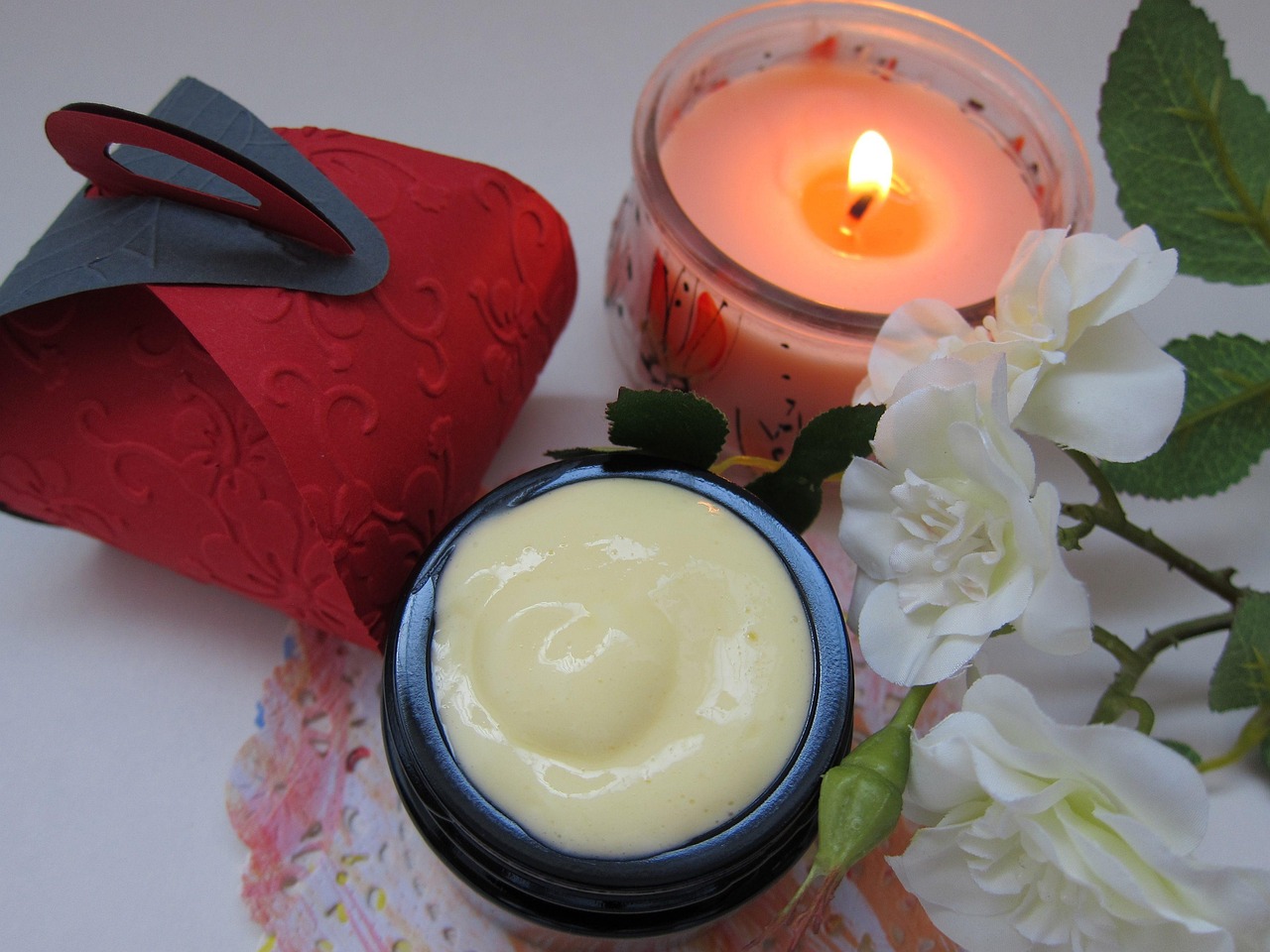
Skincare sets remain popular because they combine discovery, perceived value, and ready-made presentation. Circana reported that beauty gift sets performed well across beauty categories during the 2025 holiday season, while Deloitte’s 2025 Holiday Retail Survey highlighted shoppers’ interest in curated gift ideas and budget-conscious choices. (circana.com) For more product education and routine-focused coverage, visit our skincare product guides.
Why a skincare gift set is personal
Skincare is more personal than fragrance, candles, or bath accessories because it goes directly onto the face or body, sometimes every day, and often interacts with products the recipient already uses. A serum that works well for one person may irritate another. A rich cream can feel comforting on dry skin but heavy on oily or acne-prone skin. A strong exfoliating set may look impressive but be too aggressive for someone already using prescription treatments.
That is why the best skincare gift set is not necessarily the most expensive one. It is the set with the lowest mismatch risk and the highest chance of being used. McKinsey’s 2026 beauty research noted that consumers increasingly connect beauty with confidence, self-care, and broader wellbeing, which helps explain why practical skincare gifts can feel thoughtful when chosen carefully. (mckinsey.com)
Before buying, check three things:
- What does this person already use? A favorite brand, ingredient, or skin concern can help narrow the choice.
- How adventurous are they? Some people enjoy testing actives. Others prefer the same cleanser and cream for years.
- Is their skin reactive? If they have mentioned eczema, redness, breakouts, allergies, or “my skin hates everything,” choose very gently.
Match the set to the recipient’s skin type and routine
A gift set should solve a small routine problem, not create a complicated new regimen. If you do not know the recipient’s skin type, avoid highly active kits and choose broadly useful products such as a gentle cleanser, hand cream, body moisturizer, lip balm, or a simple hydration set. If you do know their skin type, the table below can help narrow the choice.
| Recipient clue | Better skincare gift set direction | What to avoid |
|---|---|---|
| Dry or tight-feeling skin | Cream moisturizer, balm, hydrating serum, gentle cleanser | Strong exfoliating kits or alcohol-heavy toners |
| Oily or shine-prone skin | Lightweight gel moisturizer, non-comedogenic cleanser, oil-control basics | Very rich creams unless requested |
| Acne-prone skin | Simple cleanser and moisturizer set, or products they already trust | Random actives, facial oils, heavy occlusive kits |
| Sensitive or redness-prone skin | Fragrance-free, dye-free, minimal-ingredient basics | Scented sets, peel kits, multiple exfoliating acids |
| Skincare beginner | Three-step starter set: cleanse, moisturize, protect | Ten-step routines or advanced retinoid kits |
| Frequent traveler | Travel-size cleanser, moisturizer, lip balm, hand cream | Large glass jars or products that leak easily |
Dermatology guidance often starts with consistency: gentle cleansing, moisturizing, and sun protection. The American Academy of Dermatology advises choosing moisturizers based on skin type and notes that fragrance can be an issue for dry or sensitive skin. (aad.org) For that reason, simple routine sets are often more giftable than trendy multi-active sets when you do not know the recipient well.
Understand what belongs in a useful set
A strong skincare gift set should have a clear purpose. It may be a barrier-support set, a winter hydration set, a travel routine, or a gentle starter kit. The products should make sense together and should not overload the skin with too many unfamiliar ingredients at once.
Good starter combinations
- Cleanser plus moisturizer: A low-risk pairing for many skin types, especially when fragrance-free.
- Moisturizer plus lip care: Useful for winter, travel, office drawers, and dry climates.
- Body wash plus body cream: Often easier to gift than face serums because body products are less tied to a specific facial routine.
- Daytime set with SPF: Useful if the recipient already likes the brand, but check expiration and skin tone compatibility for tinted products.
- Mini discovery set: Best for someone who enjoys trying products and understands patch testing.
Combinations that need more caution
Retinol, exfoliating acids, vitamin C, acne treatments, and peel pads can be effective products, but they are not always ideal surprise gifts. They may cause dryness or irritation, and they can conflict with products the recipient already uses. The American Academy of Dermatology notes that retinoids and retinol may cause redness, dryness, irritation, and peeling, and recommends slow introduction and daytime sun protection. (aad.org) If a set contains several strong actives, it is better suited to an experienced skincare user who specifically wants that type of routine.
Check sensitivity, fragrance, and label claims carefully
For sensitive skin, label language matters. “Fragrance-free” is generally more useful than “unscented,” because unscented products may still include ingredients that mask odor. The American Academy of Dermatology gives similar advice for eczema- and rosacea-prone skin, recommending fragrance-free options rather than unscented ones. (aad.org)
The U.S. Food and Drug Administration also cautions consumers not to rely only on terms such as “hypoallergenic,” “fragrance-free,” or “for sensitive skin,” because there is no single federal standard or definition governing these phrases in the United States. (fda.gov) In practice, gift buyers should still read the full ingredient list, especially if the recipient has mentioned allergy triggers.
For people with eczema or very reactive skin, look for products that have been evaluated by credible programs. The National Eczema Association’s Seal of Acceptance program reviews products for suitability for people with eczema and sensitive skin, and its criteria exclude fragrance in accepted products. (nationaleczema.org) A seal is not a personal guarantee, but it can reduce guesswork compared with purely decorative gift packaging.
A quick label checklist
- Choose fragrance-free when the recipient has sensitive, eczema-prone, or redness-prone skin.
- Avoid strong exfoliating acids if you do not know the recipient’s routine.
- Check whether the set contains essential oils, which can bother some reactive skin types.
- Look for clear usage instructions rather than vague claims.
- If the product includes SPF, check the printed expiration date and storage advice.
Judge value beyond the advertised price
Beauty gift sets often advertise a “value” that compares the set price with the estimated price of each item sold separately. That comparison can be useful, but it should not be the only reason to buy. A discounted set is not good value if half the products are too active, too scented, too small, or unlikely to be used.
Use a practical value test: See also: BEAUTY INGREDIENTS.
- Count the usable products. If only one item fits the recipient, the set may not be worth it.
- Check size types. Travel sizes are useful for testing; full sizes are better when you know the person already likes the product.
- Look at packaging. Pump tubes and sealed tubes can be more hygienic than open jars, especially for shared bathrooms or travel.
- Review freshness. FDA guidance explains that cosmetic shelf life varies by formula, storage, and use, and that U.S. cosmetics generally are not required to carry expiration dates unless other rules apply. (fda.gov)
- Consider return flexibility. Skincare can be difficult to guess, so a retailer with a clear return policy reduces pressure on the recipient.
Economic context also matters. Deloitte’s 2025 holiday research found shoppers were making budget trade-offs and looking for creative ways to save, while Circana reported that consumers were actively seeking value and promotions during the 2025 holiday period. (deloitte.com) For skincare gifts, value should mean “likely to be used,” not simply “many items in one box.”
Choose the right set for the occasion
The occasion changes the right level of intimacy. A skincare gift for a close friend can be more personalized than one for a coworker. A bridal shower gift may lean elegant and pampering, while a graduation gift may be more practical and travel-friendly.
For close friends or family
You can choose a more targeted skincare gift set if you know the person’s favorite brand, skin type, and preferences. Replenishment sets are often appreciated because they feel thoughtful without forcing the person to change routines.
For coworkers, teachers, or hosts
Stay with low-risk products: hand cream, body lotion, lip balm, gentle body wash, or a small self-care set. Avoid acne, aging, dark spot, or wrinkle language unless the recipient has specifically requested those products. Even when the intention is kind, concern-based skincare can feel too personal.
For teenagers or skincare beginners
Keep it simple. A gentle cleanser and moisturizer set is more appropriate than a peel, retinol, or brightening kit. Younger users are also more likely to follow social media trends, so a basic set with clear instructions can be more helpful than a complicated routine.
For luxury gifting
If you are buying a premium set, make sure the luxury is in the formula, texture, packaging quality, or refill design rather than only in the box. A smaller set from a trusted brand may be better than a large assortment of products the recipient will not finish.
Frequently asked questions
Is a skincare gift set a good gift?
Yes, when it is chosen with the recipient’s skin type and routine in mind. The safest options are usually gentle, fragrance-free basics or products from a brand the recipient already uses. Highly active treatment kits are better for people who specifically ask for them.
What should I avoid when buying skincare as a gift?
Avoid products that imply criticism, such as wrinkle, acne, or dark spot sets, unless the recipient asked for them. Also be cautious with strong exfoliants, retinol, heavily scented products, and complicated multi-step kits for someone with sensitive skin.
Are mini skincare sets worth buying?
Mini sets can be worth buying when the purpose is discovery or travel. They are less ideal when the products are too small to judge properly or when most items do not fit the recipient’s routine. Check the size of each item, not just the number of products in the box.
How can I make a skincare gift feel more personal?
Choose around a real habit: winter dryness, travel, gym bags, desk hand cream, or a favorite brand. Add a short note explaining why you chose a gentle or practical set. Personalization should come from usefulness, not from guessing a skin concern.
What is the safest skincare gift for sensitive skin?
A fragrance-free moisturizer, gentle cleanser, or body cream from a reputable sensitive-skin line is usually safer than a treatment serum. If the person has eczema, allergies, rosacea, or a medical skin condition, avoid experimenting and consider a gift card or a product they already use.
The bottom line
The best skincare gift set is thoughtful because it respects the recipient’s routine. It does not pressure them into a complicated regimen, make assumptions about their skin concerns, or rely on oversized packaging. Choose a clear purpose, check fragrance and actives, evaluate usable value, and keep the person’s comfort at the center. When in doubt, simple skincare basics are safer than a dramatic treatment kit.