Laura Geller cosmetics explained for baked makeup and mature skin
What Laura Geller cosmetics are known for
Laura Geller cosmetics are closely tied to baked makeup, color-correcting complexion powders, marbleized blushes, and the Spackle primer franchise. The brand is often considered by shoppers who want makeup that looks polished without the weight of a full-glam routine, particularly when skin has texture, dryness, fine lines, or uneven tone.
The brand’s positioning is not that powder works automatically for every mature face. The more specific claim is that certain baked formulas can feel softer and more flexible than flat pressed powders. For readers following the beauty market, Laura Geller is also a useful example of how a legacy television beauty brand has adapted to online shade quizzes, mature-skin messaging, creator reviews, and routine-based selling.
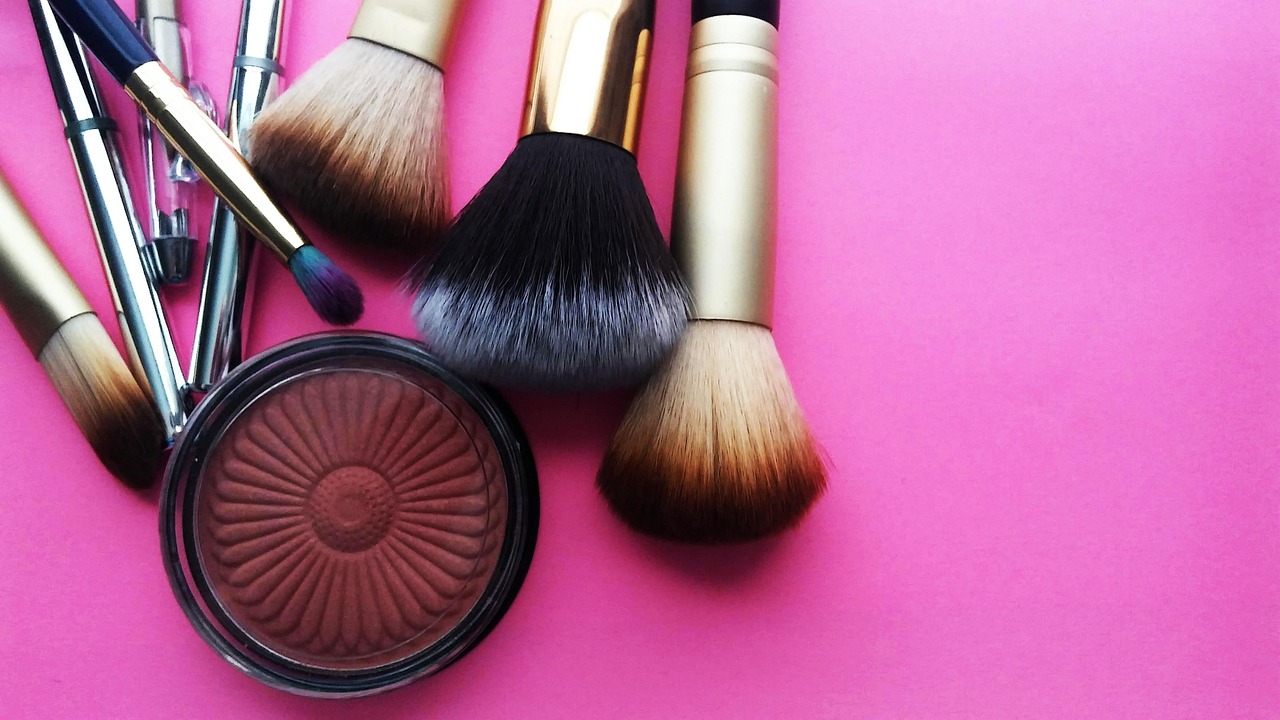
The practical question is not whether the brand is universally good or bad. It is which Laura Geller products fit a shopper who wants light-to-medium coverage, quick application, and a less mask-like finish. That is where the brand has a clearer identity than many general makeup lines.
For more beauty industry explainers and product category coverage, visit the COSMETICS section.
Why baked makeup is central to the brand
The brand describes its signature baked products as formulas that begin as cream pigments and are baked on terracotta tiles in Italy. For consumers, the important part of that story is texture. Baked powders are marketed as lighter and more skin-like than many conventional pressed powders. They are also visually distinctive, with marbleized pans that blend several tones in one compact. That format is easy to demonstrate on video, which helps explain why baked foundation and blush remain central to the brand identity.
Baked makeup should not be confused with skin care, even when a formula contains ingredients associated with hydration or soothing. It is still makeup. The main benefit is aesthetic: a baked powder can diffuse redness, soften contrast, and even tone without the wet feel of liquid foundation. The limitation is just as important. Powder can cling to dry patches, emphasize texture if overapplied, or look too matte if the skin underneath is not prepared well.
Baked Balance-n-Brighten
Baked Balance-n-Brighten Color Correcting Foundation is the product most shoppers mean when they search for Laura Geller baked foundation. It is positioned as a color-correcting powder foundation rather than a traditional liquid base. The marbled compact mixes different tones, so the finish is designed to look more forgiving than a single flat pigment. For many shoppers, the appeal is speed: swirl a brush, buff over the center of the face, and build only where tone needs evening.
The trade-off is shade precision. A marbled powder can look flexible, but it cannot fully replace a liquid foundation shade match for every shopper. People with very specific undertones, very fair or very deep skin, or strong olive, golden, pink, or neutral preferences should compare swatches carefully instead of assuming that one baked shade will adapt perfectly.
Baked blushes and brightening powders
Laura Geller blushes and highlighters follow the same broad baked-powder logic. They are designed to add color and dimension without a heavier cream layer. On mature skin, that can be useful when a shopper wants lift and brightness but dislikes tacky formulas. Shimmer level still matters. A luminous blush can look fresh on the cheeks, while too much reflective pigment near enlarged pores or deeper texture may draw attention to areas a shopper would rather soften.
How the mature-skin message should be understood
The brand has leaned strongly into makeup for mature skin, and that positioning is commercially significant. Many beauty lines still center very smooth, very young skin in their marketing imagery. Laura Geller stands out because it speaks directly to shoppers who may be dealing with dryness, creasing, uneven tone, and changing texture. The message is relevant, but it should not be read as a universal product guarantee.
Mature skin is not one skin type. A 45-year-old with oily skin, a 58-year-old with rosacea-prone dryness, and a 70-year-old with sun damage and sensitivity may need very different formulas. Age-based marketing can help shoppers identify a category, but it cannot replace the basics: skin type, undertone, sensitivity, preferred coverage, climate, and the amount of time a person wants to spend applying makeup.
The strongest use case for Laura Geller cosmetics is a shopper who wants a fast routine with moderate coverage and a soft-focus look. The weakest use case is a shopper who wants full liquid-foundation coverage, an exact undertone match, or a dewy balm-like finish. In those situations, the brand may still offer useful blush, primer, or finishing products, but baked foundation may not be the center of the routine.
How the main product categories compare
The following comparison is an editorial framework for evaluating the brand, not a performance test. It organizes the main Laura Geller categories by shopping intent and likely limitations.
| Category | Common shopper intent | What to check before buying |
|---|---|---|
| Baked powder foundation | Quick tone evening, light-to-medium coverage, less liquid foundation feel | Shade depth, undertone flexibility, dryness level, brush density, and whether powder settles on your skin |
| Spackle primer | Smoother makeup application, grip, hydration, or glow before base makeup | Version, finish, ingredient list on the package, and whether it works with your sunscreen and foundation |
| Baked blush | Fresh color, brightness, and dimension without a cream blush texture | Shimmer level, pigment strength, and whether the shade lifts or reddens the complexion |
| Highlighter and finishing powder | Glow, soft focus, and final polish | Particle visibility, placement, and whether it emphasizes pores or fine lines |
| Kits and starter sets | Routine building and value-based trial | Whether every item in the set fits your shade, skin type, and actual routine |
For shoppers new to the brand, a starter kit can be convenient, but it is not always the most efficient purchase. Kits simplify decision-making. The drawback is that one unsuitable shade or finish can reduce the value of the entire set. If the foundation shade is uncertain, buying one complexion product first may be more useful than purchasing a full routine immediately. See also: BEAUTY INGREDIENTS.
What to check before choosing a Laura Geller product
The most reliable way to evaluate Laura Geller cosmetics is to treat the brand claims as a starting point, then narrow the choice through product-specific checks. Makeup claims such as smoothing, brightening, hydrating, blurring, and color correcting are visual claims. They do not guarantee identical results on every face.
- Shade and undertone: Powder foundation often looks different over bare skin, moisturizer, sunscreen, and primer. If your undertone is hard to match, compare real swatches whenever possible.
- Skin prep: Baked foundation usually performs better on hydrated skin. If your cheeks or forehead are flaky, primer alone may not solve the issue.
- Brush choice: A dense brush builds coverage faster, while a fluffier brush gives a sheerer veil. Many complaints about powder foundation come from applying too much too quickly.
- Finish preference: If you like a luminous or creamy base, a powder foundation may feel too matte unless paired with hydrating prep or glow products.
- Ingredient sensitivity: Always check the ingredient list on the package you receive, because product pages can change and formulas may be updated.
- SPF products: If a primer includes SPF, remember that sun protection depends on adequate amount and even application. A thin makeup layer may not provide the same protection as a dedicated sunscreen used properly.
- Return policy: Shade uncertainty is normal in complexion makeup. A clear return or exchange policy can matter as much as product claims.
U.S. FDA guidance is also relevant for cosmetics shoppers. Cosmetics are regulated, but most cosmetics and ingredients do not go through FDA premarket approval, with the exception of color additives. Retail cosmetics are required to carry ingredient declarations, and products must not be false or misleading. In practical terms, consumers should not treat brand language as medical proof. They should read labels, watch for irritation, and be cautious with exaggerated claims.
Where Laura Geller fits in the cosmetics market
Laura Geller Beauty was launched by makeup artist Laura Geller in 1997, and the brand became widely associated with demonstration-friendly products, especially through television retail and later online video. Industry reporting has also linked the brand to a 2019 acquisition by AS Beauty, a company known for managing multiple beauty brands. That history matters because Laura Geller is not a new viral-only label. It is a legacy beauty name that has been repositioned for a digital customer who compares creator reviews, before-and-after imagery, shade finders, and bundle pricing before buying.
The brand sits between prestige artistry and convenience beauty. It is not minimalist in the way some balm-based mature-skin brands are, and it is not a trend-driven color brand built around constant limited editions. Its clearest proposition is practical complexion makeup for people who want visible improvement without a complicated routine.
That positioning also explains the mixed opinions found among everyday shoppers. People who enjoy fast powder routines may see the baked foundation as easy and flattering. People who have dry skin, dislike powder, or need high coverage may find it less convincing. Both reactions can be valid because they come from different skin needs and different expectations.
Frequently asked questions
Are Laura Geller cosmetics only for mature skin?
No. The brand markets strongly to mature-skin concerns, but the products are not limited to a specific age. Younger shoppers who like powder foundation, baked blush, or quick complexion routines may also use them. The more important factor is whether the formula suits your skin type, finish preference, and coverage needs.
Is Laura Geller baked foundation full coverage?
It is better understood as buildable coverage rather than a replacement for every full-coverage liquid foundation. A dense brush and layered application can increase coverage, but the finish is still powder-based. If you need to cover strong discoloration, melasma, or acne marks, you may prefer targeted concealer underneath.
Does baked makeup work on dry skin?
It can, but dry skin needs preparation. Moisturizer, sunscreen, and the right primer can make a major difference. If the skin surface is flaky, any powder can catch on texture. Shoppers with very dry skin should start with a light layer and avoid repeatedly buffing the same area.
What is Spackle primer used for?
Spackle is Laura Geller’s primer line. Different versions are designed for concerns such as hydration, glow, brightening, blurring, or SPF. The general purpose is to create a smoother base before makeup, but the right version depends on your skin and the foundation you plan to use over it.
What should shoppers be cautious about?
The main caution is expectation. Laura Geller cosmetics can be useful for quick, soft-focus makeup, but no product can guarantee a perfect shade match, erase texture, or perform the same way on all mature skin. Check ingredients, compare shades, use a light hand, and treat SPF makeup as a supplement rather than your only sun-protection step.
The bottom line
Laura Geller cosmetics make the most sense for shoppers who want approachable complexion products, baked powders, easy blush, and primer-led routines designed with mature-skin concerns in mind. The brand’s strength is not extreme transformation. Its strength is convenience, visible softening, and a product story that speaks to people often underserved by youth-focused beauty marketing. The smartest way to buy is to start with the category that solves your main problem, verify shade and finish carefully, and remember that preparation often determines whether baked makeup looks smooth or powdery.