MAC Cosmetics lipstick guide by finish, wear and shade
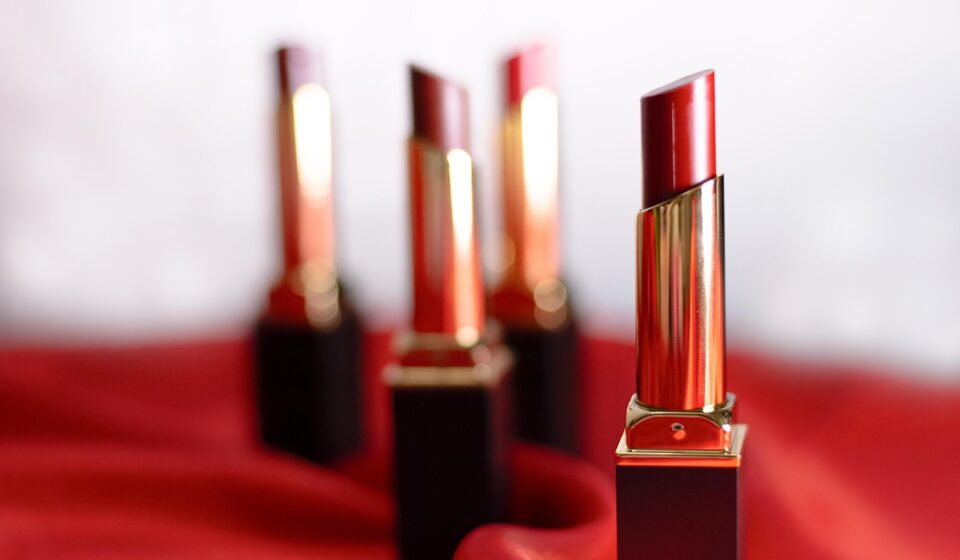
What to know before choosing a MAC Cosmetics lipstick
A MAC Cosmetics lipstick is not a single product type. On MAC’s U.S. product pages reviewed in September 2026, the lipstick range included silky matte bullets, sleek satin bullets, hazy matte Powder Kiss, sheer-shine Lustreglass, 24-hour Locked Kiss formats, Frost, Retro Matte and Amplified options. The best choice depends less on one famous shade and more on four practical points: the color payoff you want, the level of shine you like, how long you need the product to wear and whether your lips prefer a creamy, blurred or transfer-resistant feel.
This guide compares the main MAC lipstick families, explains how to read wear claims realistically and outlines a more reliable way to choose shades without relying only on viral swatches. For more beauty explainers and product category guides, visit our cosmetics coverage.
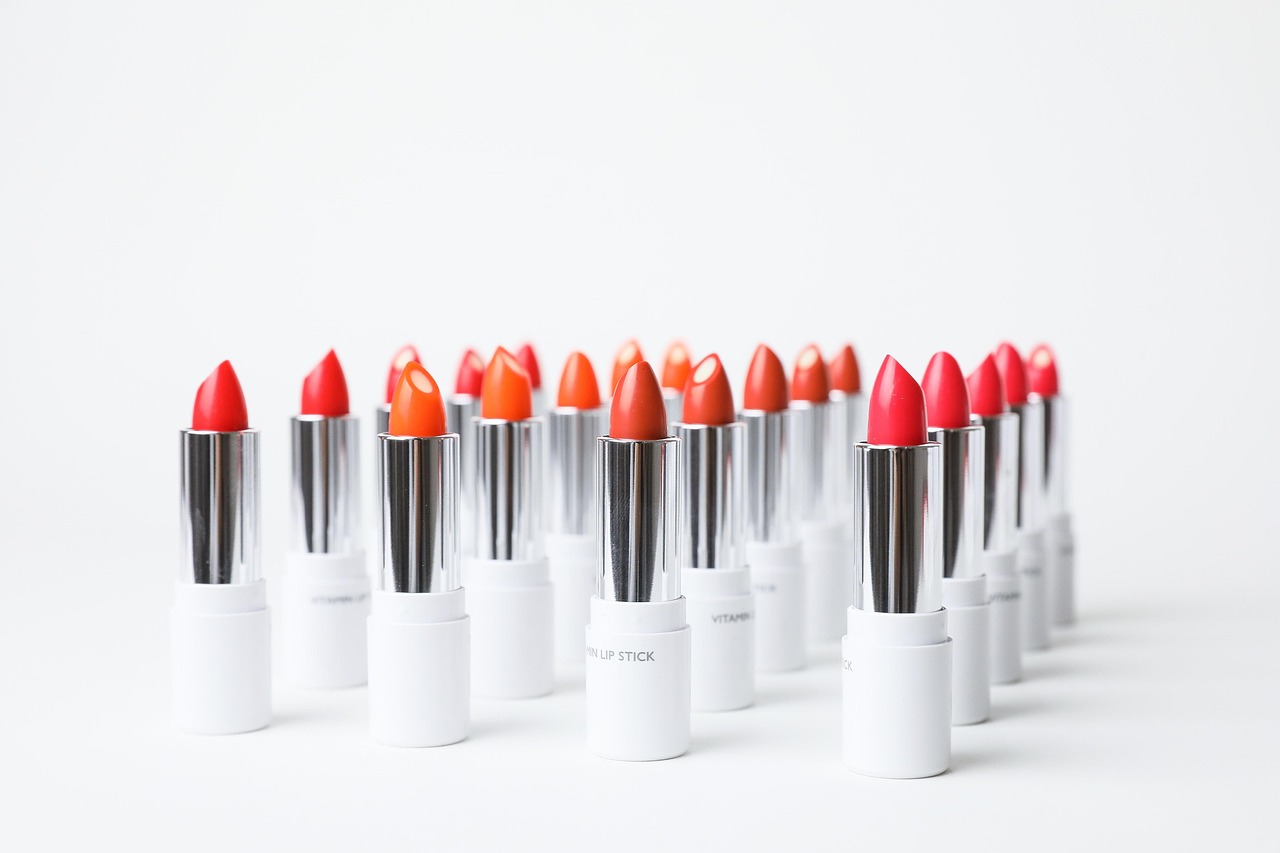
The current MAC lipstick range is built around finish first
MAC’s lipstick identity has long been tied to finish names. That matters because two lipsticks in similar red, nude or pink shade families can wear very differently if one is a creamy satin and the other is a locked-down matte. Before choosing a color, it helps to choose the texture category.
Based on MAC’s official U.S. listings available in September 2026, the key shopping groups include M·A·Cximal Silky Matte Lipstick, M·A·Cximal Sleek Satin Lipstick, Powder Kiss Hazy Matte Lipstick, Lustreglass Sheer-Shine Lipstick, M·A·C Locked Kiss 24hr Lipstick, M·A·C Locked Kiss Ink 24HR Lipcolour, Retro Matte Lipstick, Frost Lipstick and Amplified Lipstick. Availability can change by market, collection and shade, so it is more useful to understand what each formula is designed to do than to assume every shade is always permanent.
| Formula family | General finish | Color effect | Best suited for | Main trade-off |
|---|---|---|---|---|
| M·A·Cximal Silky Matte | Soft matte | Full, pigment-rich color | Classic lipstick looks, strong shade payoff | Less shine than satin or Lustreglass |
| M·A·Cximal Sleek Satin | Satin | Polished color with a smoother sheen | Everyday wear when matte feels too flat | Usually not as transfer-resistant as long-wear matte |
| Powder Kiss Hazy Matte | Blurred matte | Soft-focus, buildable color | Diffused lips, casual matte looks | Less crisp definition than a classic full matte |
| Lustreglass Sheer-Shine | Glossy sheer shine | Translucent, luminous color | Easy daily color, low-maintenance touch-ups | Sheer payoff and more frequent reapplication |
| Locked Kiss 24hr and Locked Kiss Ink | Long-wear matte | Fuller, more fixed color | Events, masks, long days, minimal touch-ups | Requires more careful application and removal |
| Retro Matte | Very matte | Bold, flatter color impact | Statement red or editorial matte looks | Can feel drier than creamier formulas |
| Frost and Amplified | Pearled or creamy high-impact finishes | Dimensional shine or creamy bold color | Vintage-inspired, bright or dramatic looks | Finish preference is more personal |
How MAC’s major lipstick finishes compare
M·A·Cximal Silky Matte for classic color payoff
M·A·Cximal Silky Matte is the clearest starting point for shoppers who want the familiar MAC lipstick effect: strong pigment, a matte look and recognizable shades such as Velvet Teddy, Mehr, Chili and Ruby Woo variations. MAC describes this formula as a full-coverage silky matte lipstick with up to 12 hours of comfortable wear and moisture benefits for up to eight hours. Official product pages also highlight conditioning ingredients such as coconut oil, shea butter and cocoa butter.
The practical takeaway is straightforward: choose this family when color impact is the priority but you do not want the driest type of matte. It works well for office red, neutral rose, soft brown nude and deeper berry shades because the finish gives more polish and edge control than a sheer balm-style lipstick.
M·A·Cximal Sleek Satin for a polished everyday finish
Satin lipsticks sit between matte and shine. They usually make lips look smoother in photos than a flat matte, while still offering more presence than a sheer gloss. For people who find traditional matte lipstick too severe, a satin nude, pink-brown or muted berry can be easier to wear every day.
MAC’s lipstick page identifies Twig and Faux as fan-favorite satin shades. That does not mean they suit every undertone, but it explains why satin remains a useful category: it softens the color statement without making the look overtly glossy.
Powder Kiss Hazy Matte for a blurred lip look
Powder Kiss Hazy Matte is designed around a soft-focus effect rather than a sharply lined lipstick look. MAC describes the formula as a hazy matte lipstick with sheer-to-medium buildable coverage, 10-hour moisturizing longwear and lip-blurring properties. It is especially relevant for people who like matte lipstick but prefer a diffused, modern edge.
The formula suits gradient lips, soft terracotta, muted rose and blurred berry looks. The trade-off is precision. If you want a razor-sharp red lip for a formal event, a traditional matte bullet with liner or a Locked Kiss formula may be more suitable.
Lustreglass Sheer-Shine for easy color and comfort
Lustreglass Sheer-Shine Lipstick sits at the opposite end of the spectrum from a locked matte. MAC describes it as sheer, glossy and infused with conditioning ingredients, including oils and hyaluronic acid on official product pages. The color payoff is more translucent, which makes shade selection more forgiving.
Consider this family if you want a lipstick that can be applied quickly, softened with a fingertip or reapplied without a mirror. It is especially useful for neutral pinks, soft plums, warm nudes and low-contrast everyday makeup. The limitation is durability: shine and slip usually mean more transfer and more touch-ups.
Locked Kiss formulas for long-wear needs
MAC’s Locked Kiss products are built around longer wear and greater resistance to transfer. The slim bullet version is described by MAC as a kissproof, waterproof and transfer-resistant lipstick with 24 hours of wear, while Locked Kiss Ink is a liquid lipcolour positioned as kissproof, transfer-proof and waterproof with 24 hours of weightless color. These are brand claims, not a guarantee that every person will get identical wear through meals, oil, lip balm or repeated friction.
Choose this category for weddings, performances, long workdays or situations where repeated reapplication is inconvenient. Application matters more with these formats: apply carefully, let the formula set and avoid layering heavy balm underneath, which can break down long-wear polymers. At removal time, an oil-based cleanser or cleansing balm is usually more practical than rubbing with dry tissue.
How to choose a MAC lipstick shade without guessing
Shade choice is where many shoppers get stuck because online swatches can shift under lighting, filters and skin undertones. MAC’s own lipstick page notes that nude, plum, red and pink shades are currently trending on its U.S. site, and it lists Chili, Velvet Teddy and Mehr among popular matte shades. Those names are useful reference points, but they should not replace undertone matching.
Start with depth. A nude lipstick should usually be close to your natural lip depth or slightly deeper if you want definition. If it is much lighter than your lips, it can look chalky unless paired with a deeper liner. If it is much deeper, it becomes a statement brown, rose or plum rather than a subtle nude.
Then consider undertone. Cool-toned complexions often find blue-reds, mauves, rose browns and berry shades more harmonious. Warm-toned complexions may prefer brick reds, peachy nudes, caramel browns and terracotta. Olive undertones can be trickier because some pinks look gray and some nudes turn orange; balanced brown-rose, muted brick and soft plum shades often read more natural. See also: BEAUTY INGREDIENTS.
Finally, account for your natural lip color. Two people with the same foundation shade can get different results from the same lipstick if one has pale lips and the other has pigmented mauve or brown lips. Sheer formulas such as Lustreglass allow more of your natural lip tone to show through. Full-coverage formulas such as M·A·Cximal Silky Matte or Locked Kiss override it more effectively.
Wear claims should be read as formula positioning, not a promise
Long-wear numbers are useful for comparing formulas, but they need context. A brand’s 10-, 12- or 24-hour claim usually reflects a controlled product claim and does not mean every user will look freshly applied after coffee, lunch, lip balm, talking and mask friction. Oils are especially important: salad dressing, oily food and cleansing balms can break down many long-wear lip products.
For realistic expectations, match the formula to the day rather than choosing by the longest number. For a normal workday with coffee and a light lunch, a silky matte or satin bullet may be easier because it can be touched up smoothly. For a dinner where comfort matters more than transfer resistance, Lustreglass or satin may look fresher. For a ceremony, stage event or long commute, Locked Kiss may justify the extra application care.
- For the least maintenance: choose a sheer or satin shade close to your natural lip color.
- For the strongest color: choose M·A·Cximal Silky Matte, Retro Matte or Locked Kiss.
- For a soft modern effect: choose Powder Kiss Hazy Matte and blur the edge.
- For transfer resistance: choose a Locked Kiss format and avoid oily layers underneath.
- For dry lips: prepare with gentle exfoliation and a light balm, then blot before applying matte lipstick.
Ingredients, labeling and safety basics for lipstick shoppers
In the United States, lipstick is regulated as a cosmetic when it is marketed for appearance rather than as a drug treatment. FDA guidance explains that cosmetic products and most cosmetic ingredients do not require FDA approval before sale, except for color additives. However, cosmetics must be safe when used as directed or in the customary way, and labels must not be false or misleading.
That regulatory context is useful because lipstick shoppers often see claims about pigments, minerals or trace contaminants without knowing what the rules are. The FDA has stated that it has analyzed hundreds of lipsticks and other cosmetic lip products for lead, finding levels from below detection to about 7 parts per million in those lip product tests. The agency has also said that over 99% of cosmetic lip products and externally applied cosmetics it analyzed were below 10 parts per million, and it has issued guidance recommending a maximum of 10 parts per million for lead as an impurity in cosmetic lip products and externally applied cosmetics.
For consumers, the practical steps are straightforward. Buy from authorized retailers, check the ingredient list on the package you receive, avoid using products that smell off or have changed texture, and stop using any lipstick that causes persistent irritation. If you have allergies or sensitivities, do not rely only on shade names; read the ingredient list because formulas and color additives can differ by shade and may change over time.
Application tips that change how a MAC lipstick performs
The same MAC lipstick can look polished or uneven depending on preparation. Matte formulas need a smoother base because they emphasize texture. Sheer and satin formulas are more forgiving, but they can migrate if applied over too much balm.
- Prep lightly. Use a thin layer of balm, wait a few minutes and blot before lipstick. Too much balm reduces grip.
- Use liner for structure. A neutral or matching lip pencil improves symmetry and helps prevent feathering, especially with red, berry and brown shades.
- Apply in layers. One thin layer, blotting and a second thin layer often wears better than one heavy coat.
- Adapt the edge. Keep the border crisp for satin, Retro Matte and Locked Kiss. Soften the border for Powder Kiss or lived-in nude looks.
- Remove gently. Long-wear formulas should be dissolved with oil-based remover rather than scrubbed off.
If a shade feels too strong, tap it on with a fingertip instead of swiping from the bullet. If it feels too flat, add a small amount of clear gloss to the center of the lips rather than covering the whole mouth. If it is too warm or too cool, a lip liner can shift the tone without requiring a new lipstick.
Frequently asked questions
Which MAC Cosmetics lipstick is best for everyday wear?
For everyday wear, the most practical choices are usually M·A·Cximal Sleek Satin, Lustreglass Sheer-Shine or a soft shade in M·A·Cximal Silky Matte. Satin and Lustreglass are easier to reapply, while Silky Matte gives stronger color when you want a more finished look.
Which MAC lipstick formula lasts the longest?
MAC positions Locked Kiss 24hr Lipstick and Locked Kiss Ink 24HR Lipcolour as its long-wear, transfer-resistant options. They are the better choice when longevity matters most, although meals, oils and individual lip condition can still affect wear.
Are MAC matte lipsticks drying?
That depends on the formula and the condition of your lips. M·A·Cximal Silky Matte is designed to feel more comfortable than older-style dry mattes, while Powder Kiss gives a softer blurred effect. Very matte or long-wear formulas can still feel drier than satin or sheer-shine lipstick.
What MAC lipstick shades are popular?
MAC’s U.S. lipstick page identifies Chili, Velvet Teddy and Mehr among popular matte shades, and Twig and Faux among fan-favorite satin shades. Popularity is a useful starting point, but undertone, lip depth and finish preference matter more than a shade name alone.
Should I choose lipstick online or in store?
If you already know your undertone and preferred formula, online shopping can work well. If you are choosing a red, nude or deep shade for the first time, testing in store or comparing several natural-light swatches is safer because lipstick changes noticeably across skin tones and lip pigmentation.