Makeup ingredients explained for safer label reading

What makeup ingredients really tell you
Makeup ingredients are easier to assess when you read them by function rather than fear. A foundation, lipstick, mascara, or eyeshadow is usually a formula system made from pigments, binders, texture agents, oils or waxes, film formers, preservatives, and sometimes fragrance. The ingredient list shows the broad construction of a product, but it usually does not disclose exact percentages, manufacturing quality, impurity testing, or whether an individual user will react to it.
According to U.S. FDA labeling guidance, most cosmetic ingredients must be declared on retail labels. Cosmetics generally do not receive FDA premarket approval, except for color additives. That makes label literacy useful for anyone comparing eye makeup, sensitive-skin claims, long-wear formulas, and “clean beauty” marketing.
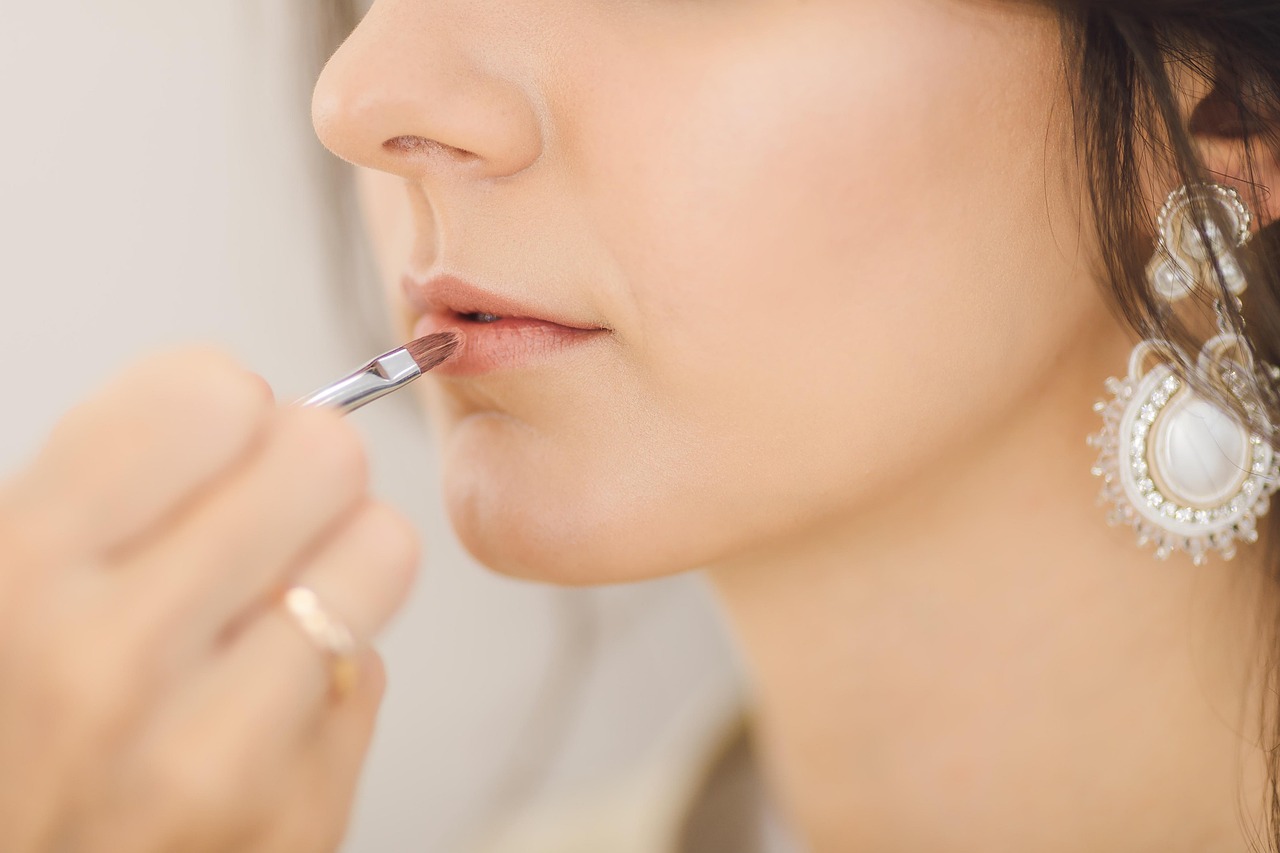
A practical approach is to identify the product type, review the first several ingredients, look for known personal triggers, and treat alarm-based claims about single ingredients with caution unless they are supported by regulatory or clinical evidence.
How cosmetic ingredient lists work on makeup labels
Ingredient lists are not random. In the United States, FDA cosmetic labeling rules generally require ingredients to be listed in descending order of predominance. There are important exceptions. Ingredients present at 1% or less may be listed in any order after ingredients present above 1%, and color additives may appear after non-color ingredients. Fragrance and flavor components may often be declared under collective terms such as “fragrance,” “parfum,” or “flavor,” depending on the market and product.
The first ingredients matter most, but they are not the whole story
The first five to ten ingredients usually describe the base of the formula. In liquid foundation, that base may include water, silicones, emollients, humectants, and film formers. In powder products, it may include talc, mica, silica, starches, or other materials that improve absorbency and slip. In lipsticks, waxes, oils, esters, and pigments often dominate.
Still, a low-position ingredient can be important. Preservatives, color additives, fragrance allergens, pH adjusters, and high-performance actives may work at low levels.
The 1% area can hide meaningful details
Many shoppers try to estimate exact percentages from label order, but that method has clear limits. Once a formula reaches the 1% zone, order may no longer reflect concentration in the same way. A botanical extract near the bottom of a label may be present mainly for positioning, while a preservative or color additive at a similar position may still be essential to product safety or performance.
Fragrance is a special case
Fragrance can represent a blend rather than one ingredient. The FDA has noted that fragrance and flavor ingredients may be declared collectively in many U.S. cosmetic ingredient lists. In the European Union, fragrance allergen labeling has become more detailed, with Regulation (EU) 2023/1545 expanding the list of fragrance allergens that need declaration under defined conditions.
For consumers, the practical takeaway is straightforward: if fragrance has previously caused irritation, headaches, watery eyes, or dermatitis, “fragrance-free” may be more useful than “natural fragrance.”
Common makeup ingredient groups and what they do
Most makeup ingredients are included for a specific formulation purpose. Understanding the category is often more useful than memorizing every chemical name.
| Ingredient group | Common examples | Why it appears in makeup | What to check |
|---|---|---|---|
| Pigments and color additives | Iron oxides, titanium dioxide, ultramarines, carmine, FD&C colors | Create shade, coverage, brightness, or opacity | Whether the color is permitted for the intended area, especially around the eyes |
| Mineral fillers and texture agents | Talc, mica, silica, kaolin, boron nitride | Improve slip, oil absorption, payoff, and soft-focus finish | Powder inhalation concerns, talc quality controls, and eye-area comfort |
| Film formers | Acrylates copolymers, VP copolymers, trimethylsiloxysilicate | Help makeup last longer, resist transfer, and form a flexible layer | Removal difficulty and potential dryness around sensitive areas |
| Emollients and oils | Dimethicone, isododecane, caprylic/capric triglyceride, plant oils | Add glide, spreadability, cushion, and shine | Personal pore-clogging patterns and oxidation-prone oils |
| Waxes | Beeswax, carnauba wax, candelilla wax, synthetic wax | Give structure to lipstick, brow products, mascara, and pencils | Texture preference and allergy history |
| Preservatives | Phenoxyethanol, parabens, potassium sorbate, sodium benzoate | Reduce microbial risk in products that can support growth | Known sensitivity, product age, and contamination from applicators |
| Fragrance and essential oils | Parfum, limonene, linalool, citronellol, botanical oils | Add scent or mask base odor | Allergy, eczema, rosacea, and eye-area tolerance |
Ingredients that deserve closer reading, not panic
Some makeup ingredients attract strong opinions online. The better question is not “Is this ingredient bad?” but “Is this ingredient appropriate for this product, this use area, this exposure level, and this person?” Regulatory agencies, safety panels, and dermatology research usually evaluate risk through dose, route of exposure, product type, and available toxicology data.
Color additives around the eyes
Eye makeup deserves extra attention because the eye area is sensitive and accidental contact is likely. U.S. FDA materials state that color additives used in cosmetics must be approved for their intended use, and not every color permitted for general cosmetic use is necessarily permitted around the eyes.
This is why a pigment that appears in a lip product or face paint may not belong in eyeliner or eyeshadow. If a product is marketed for the waterline, lashes, or eyelids, color additive compliance matters more than the trendiness of the shade.
Talc and mineral powders
Talc is used in many pressed and loose powders because it improves slip, softness, and oil absorption. The safety discussion around talc is not only about talc itself; it also concerns the possible presence of asbestos in naturally occurring mineral deposits if sourcing and testing are inadequate. FDA materials on talc-containing cosmetics have focused on testing methods for detecting and identifying asbestos.
For shoppers, the practical filter is to buy from brands that discuss quality control and to be cautious with loose powders if inhalation is a concern. See also: BUYING GUIDES.
Preservatives in liquid and cream makeup
Preservatives are often criticized, but they serve a safety function. Liquid foundation, concealer, mascara, cream blush, and cushion compacts may be exposed to air, fingers, brushes, and warm bathrooms. Without an effective preservative system, water-containing products can become a better environment for microbial growth.
A preservative can irritate a small subset of users, but a poorly preserved product can create a broader hygiene problem. Replace mascara and liquid eye products regularly, do not add water to dried formulas, and discard products that change smell, color, or texture.
Fragrance allergens and essential oils
“Natural” does not automatically mean gentler. Essential oils and plant-derived fragrance components can contain recognized fragrance allergens. The European Commission and its Scientific Committee on Consumer Safety have treated fragrance allergen labeling as a consumer-information issue, especially for people already sensitized.
If you have eczema, rosacea, allergic contact dermatitis, or recurring eyelid irritation, fragrance-free makeup is often a more practical starting point than formulas scented with essential oils.
U.S. and EU rules readers should know
Makeup labels are shaped by where the product is sold. The United States and the European Union both regulate cosmetics, but they do not use identical systems.
| Topic | United States | European Union | Why it matters to shoppers |
|---|---|---|---|
| Premarket approval | Cosmetics generally are not FDA-approved before sale, except color additives | Products must comply with the EU Cosmetics Regulation and its annexes | “FDA-approved makeup” can be misleading unless it refers specifically to an approved color additive or another regulated category |
| Ingredient order | Generally descending order, with exceptions for 1% or less ingredients, color additives, fragrance, and flavor | Uses ingredient declaration requirements under EU cosmetics law, commonly with INCI names | Label order is useful, but it is not a precise formula sheet |
| Fragrance allergens | MoCRA directed FDA to establish fragrance allergen labeling requirements | EU Regulation 2023/1545 expanded fragrance allergen labeling requirements | Fragrance transparency is increasing, but older products and different markets may show different label detail |
| Safety assessment | Companies are responsible for product safety, and MoCRA added safety substantiation and reporting obligations | Safety assessment is part of the EU product information file system | Compliance is more than the public ingredient list |
The Cosmetic Ingredient Review in the United States and the EU Scientific Committee on Consumer Safety both publish safety assessments or opinions that can inform industry decisions. A shopper should not treat a viral ingredient list as a complete safety review. Intended use, concentration, impurity profile, and exposure pattern are all part of the real assessment.
A practical method for reading makeup ingredients
If you want a repeatable way to evaluate makeup ingredients before buying, use a short checklist instead of reacting to every unfamiliar word. For more background on cosmetic components and formula trends, browse the beauty ingredients section.
- Start with the product type. Mascara, lipstick, loose powder, foundation, and sunscreen-makeup hybrids have different risk points.
- Read the base ingredients. The first several ingredients tell you whether the product is water-based, silicone-rich, oil-based, waxy, powder-heavy, or alcohol-heavy.
- Check the use area. Eye-area products require special care with color additives, glitter particles, fragrance, and contamination.
- Look for your personal triggers. If you already know you react to lanolin, fragrance, certain preservatives, nickel-contaminated pigments, or specific botanicals, prioritize that history over generic “avoid” lists.
- Separate marketing from regulation. Terms such as “clean,” “non-toxic,” “dermatologist tested,” and “hypoallergenic” can be useful signals, but they do not replace the ingredient list or safety substantiation.
- Consider product age and use habits. Even a well-formulated product can become risky if it is old, shared, diluted, or used with dirty applicators.
- Patch test when appropriate. For leave-on face products, testing a small area before full use can help identify irritation, although it cannot predict every allergic reaction.
Frequently asked questions
Are long chemical names in makeup ingredients unsafe?
No. A long name often means the ingredient is being identified precisely. Water may appear as aqua on some international labels, and familiar materials can have technical names. Safety depends on the ingredient, concentration, impurities, product type, exposure route, and individual tolerance.
Should I avoid all fragrance in makeup?
Not everyone needs to avoid fragrance, but it is a common reason some people choose fragrance-free products. If you have sensitive eyes, eczema, rosacea, migraines triggered by scent, or a history of allergic contact dermatitis, fragrance-free makeup is a sensible first filter. “Unscented” is not always the same as fragrance-free because masking fragrance may be used to cover base odor.
Is talc in makeup always dangerous?
Talc is not automatically dangerous in every cosmetic use, but talc-containing products raise quality-control questions because natural mineral deposits can be associated with asbestos contamination if not properly controlled. Pressed powders may also reduce airborne dust compared with loose powders, but inhalation habits, product design, and application method still matter.
Are natural makeup ingredients safer than synthetic ones?
Not necessarily. Natural oils, waxes, extracts, and essential oils can be useful, but they can also oxidize, irritate, or contain allergens. Synthetic ingredients can be designed for consistency, stability, and low odor. A better standard is evidence, quality control, and suitability for your skin, not whether an ingredient sounds natural.
Can an ingredient list prove a product will not cause breakouts?
No. Ingredient lists can help you avoid patterns you already know, but acne and clogged pores depend on the full formula, amount used, skin type, climate, cleansing routine, and other products layered underneath. If a product repeatedly causes breakouts, stop using it and compare its ingredient pattern with products you tolerate well.