Shine cosmetics and the skin-first shift in glossy makeup
What shine cosmetics means now
Shine cosmetics are no longer limited to lip gloss, loose glitter, or a sharp stripe of highlighter. In current beauty conversations, the phrase covers a wider group of high-reflection makeup products: glassy lip oils, sheer balms, pearlescent eye toppers, wet-look highlighters, luminous complexion products, and body glow formulas. The shift is not just that shine is back. It is that shine is becoming more controlled, more comfortable, and more closely tied to skin-first makeup.
This article uses shine cosmetics to mean high-shine cosmetic finishes, not a review of any single brand with a similar name. For readers tracking beauty product trends across the category, the practical question is clear: how can makeup deliver visible glow without feeling sticky, gritty, outdated, or over-claimed? For more cosmetics trend coverage, visit the COSMETICS section.
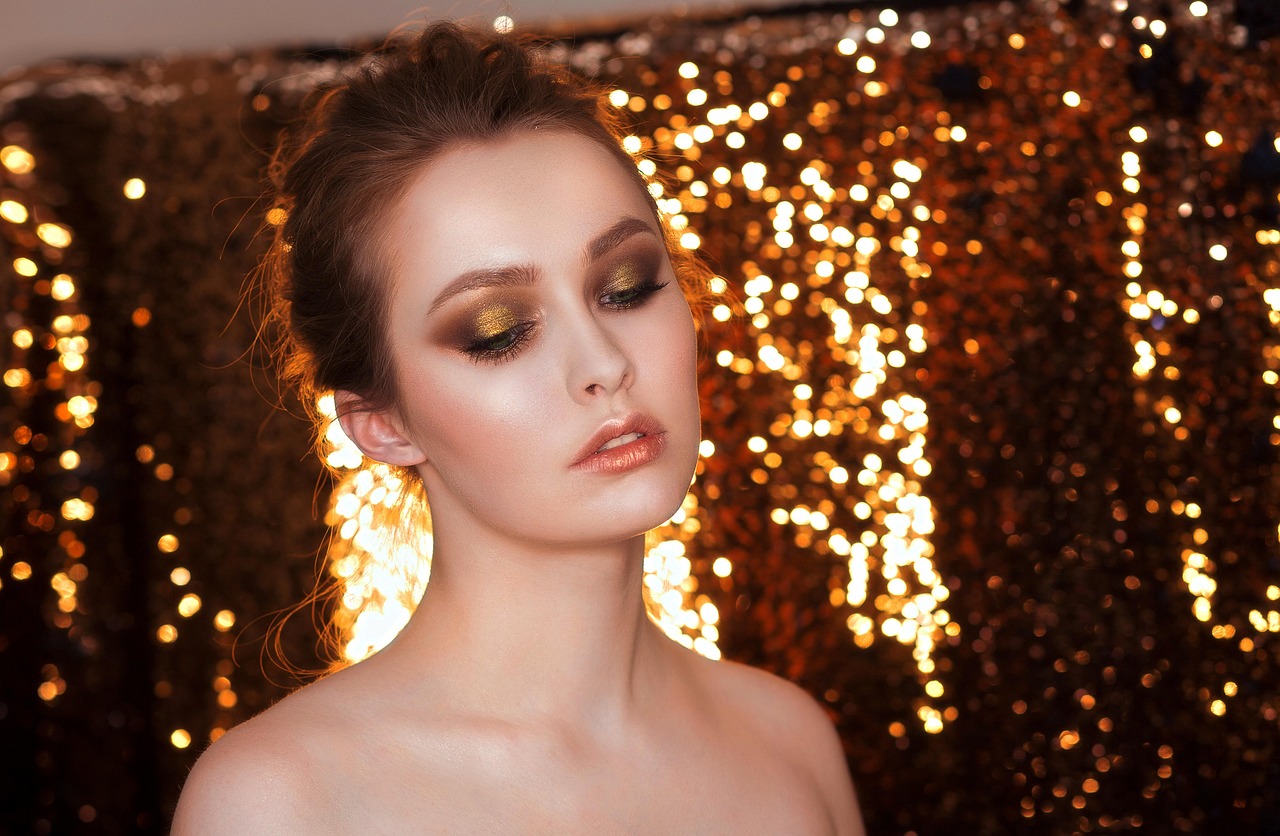
Why glossy finishes are gaining attention again
The renewed interest in glossy makeup sits between two market movements. Consumers have spent several years with minimal, polished, skin-focused looks. At the same time, 2026 beauty reporting from publications such as Allure and Vogue Business has pointed to a return of shimmer, stronger color, frosted lips, glossy textures, and more expressive makeup. That does not mean every consumer wants theatrical sparkle, but it does suggest that the market is making more room for texture and visible finish.
Industry analysis points in the same direction. McKinsey’s 2026 State of Beauty analysis described color cosmetics as regaining momentum after minimalist makeup trends, while noting that hybrid makeup and skin care products are helping support interest in the segment. For shine cosmetics, that distinction matters. The strongest product is often not the brightest one, but the one that gives a visible effect while still feeling comfortable enough for daily wear.
From full-face shimmer to intentional light
The modern approach is less about putting sparkle everywhere and more about placing light carefully. A glossy lip can soften a matte base. A pearlescent inner corner can brighten the eyes without requiring a full metallic lid. A liquid highlighter can be mixed with moisturizer or applied only to the high points of the face. This makes shine more wearable for office makeup, casual looks, and evening routines.
Lips lead the trend
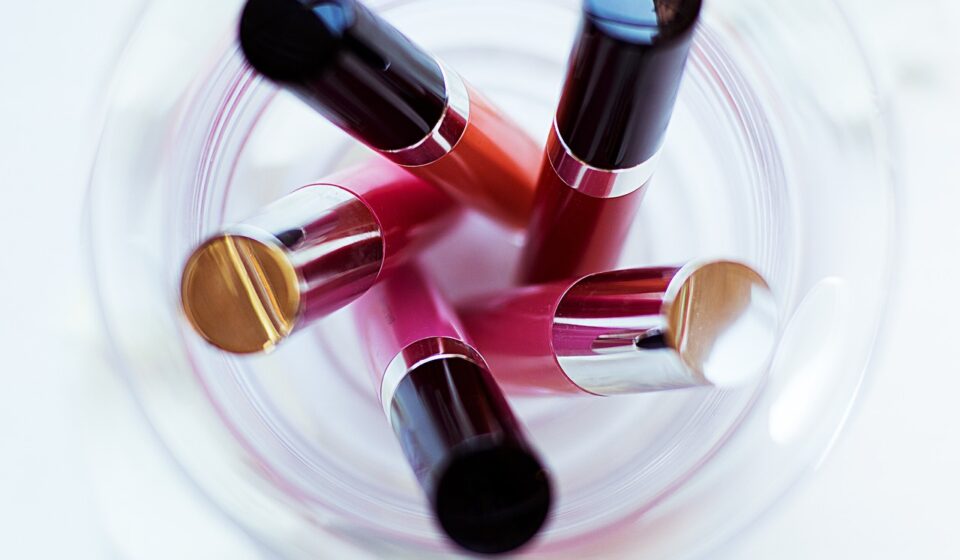
Lip products are the easiest entry point because shine changes the look of the face quickly and does not require advanced technique. Glosses, oils, tinted balms, and sheer lipsticks now compete on comfort, cushion, non-sticky texture, and a conditioning feel. The consumer expectation is no longer mirror shine at any cost. It is shine with a soft feel, flexible color, and easy reapplication.
How formulas create shine without feeling dated
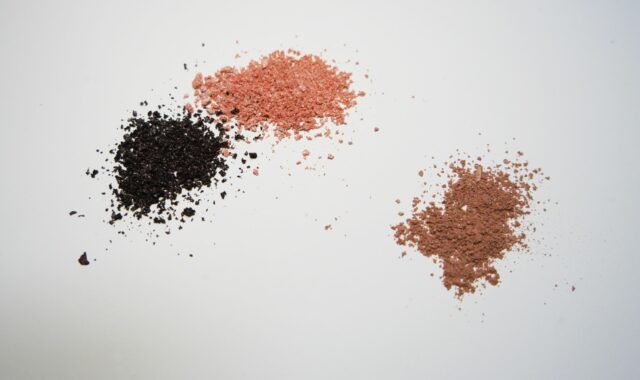
Shine is an optical effect, but cosmetics create it in different ways. A clear gloss reflects light through a smooth film. A shimmer shadow reflects light through small particles. A pearlized highlighter uses layered pigments to create dimension. A dewy complexion product may rely more on emollients and film formers than on visible sparkle.
| Product type | Common shine mechanism | What consumers notice |
|---|---|---|
| Lip gloss and lip oil | Clear or tinted film with oils, esters, and polymers | Glass shine, cushion, possible stickiness |
| Pearl highlighter | Mica, synthetic mica, borosilicate, or coated pigments | Glow, flash, shade shift, texture emphasis |
| Shimmer eye product | Fine reflective particles in powder, cream, or gel bases | Sparkle intensity, fallout, eye-area comfort |
| Dewy base product | Humectants, emollients, soft-focus powders, and film formers | Fresh skin finish rather than obvious glitter |
The most current shine cosmetics tend to use smaller, smoother, and more refined reflective elements. That is why a finely milled shimmer can look polished, while a chunky particle can read as costume makeup. Texture is just as important. If a gloss strings between the lips, a highlighter emphasizes pores, or an eye topper sheds visible particles, the product may photograph well but struggle in daily use.
Shade development also matters. Reflective products can turn ashy, gray, or too icy on deeper skin tones if the base pigment is not balanced. A skin-first shine product should consider undertone, depth, and transparency rather than assuming one champagne shade works for everyone.
Regulation now shapes the shine story
High-shine makeup may look playful, but the regulatory environment around cosmetics is becoming more demanding. In the United States, the FDA does not generally approve cosmetic products or ingredients before sale, except for color additives. Cosmetics are still regulated after they enter the market, and companies remain responsible for safety, labeling, and truthful claims.
MoCRA, the Modernization of Cosmetics Regulation Act of 2022, is especially relevant because the FDA describes it as the most significant expansion of its cosmetics authority since 1938. Under MoCRA, responsible persons must report serious adverse events associated with cosmetic products in the United States to the FDA within 15 business days. FDA public data also reported 16,398 unique active facility registrations and 1,298,361 unique active product listings under MoCRA as of June 30, 2026. Those figures show how broad the compliance landscape has become.
Claims are another risk area. A glossy balm can say it beautifies or improves the appearance of lips, but claims that suggest treating disease or changing the structure or function of the body can move a product into drug territory under U.S. law. This is especially important for makeup-skin care hybrids. Terms such as repairing, healing, treating eczema, rebuilding collagen, or curing irritation require much more caution than claims about shine, softness, or cosmetic appearance.
Microplastics and glitter are part of the conversation
In the European Union, Commission Regulation 2023/2055 restricts intentionally added synthetic polymer microparticles, including certain plastic glitter. The European Commission’s public guidance says some loose plastic glitter uses without a transition period were affected from 17 October 2023, while cosmetics received category-specific transition periods. Rinse-off cosmetics containing relevant microplastics may continue until 16 October 2027, leave-on cosmetics until 16 October 2029, and makeup, lip, and nail cosmetics until 16 October 2035, with additional labeling expectations for those products from 17 October 2031.
The practical point is that not all shine is regulated in the same way. Mineral pearls, synthetic mica, glass-based effects, biodegradable glitter alternatives, and plastic glitter can fall into different technical and regulatory categories. Brands should not treat the word glitter as a single ingredient category. See also: BEAUTY INGREDIENTS.
What consumers should look for in high-shine products
For consumers, the best way to evaluate shine cosmetics is to look beyond the first swatch. A reflective product can look impressive under store lighting but behave differently on textured skin, dry lips, oily lids, or humid days.
- Check the use area. Eye-area products should be intended for eye use. Not every pigment or particle suitable for cheeks or nails belongs near the eyes.
- Assess texture after ten minutes. Gloss can feel comfortable at first and become sticky later. A cream highlighter can look smooth at first and then separate over base makeup.
- Match shine level to skin texture. Very metallic products can emphasize lines and pores, while translucent pearls usually look softer.
- Be cautious with strong treatment claims. Hydrating feel and cosmetic softness are different from medical or structural skin claims.
- Patch test if sensitive. Fragrance, flavor, essential oils, and some preservatives can be irritating for certain users.
- Consider removal. Long-wear shimmer and glitter effects should come off without aggressive rubbing, especially around the eyes.
Oily skin does not have to avoid shine entirely. The more useful approach is placement. A satin base with gloss on the lips and a small highlight on the cheekbone can look fresher than applying glow across the entire T-zone.
What brands and publishers should watch
For brands, shine cosmetics are a product-development opportunity, but they also test discipline. The most convincing launches will balance finish, comfort, ingredient transparency, shade range, and claim control. A product does not need to promise skin transformation to be relevant. It needs to explain what type of shine it gives, where it should be used, and what trade-offs consumers should expect.
For publishers and beauty editors, the content opportunity is to move beyond simple trend labels. Readers benefit from comparisons that explain why one glossy formula feels cushiony while another feels sticky, why one highlighter flatters texture while another emphasizes it, and why regulatory changes affect glitter-heavy products differently from pearl or mica-based formulas.
Editorially, the strongest information gain comes from connecting trend aesthetics with formulation and compliance. Shine is visual, but the business of shine is technical. Particle choice, color additive rules, microplastic restrictions, sensory testing, claims language, and shade inclusivity all influence whether a glossy product feels modern or outdated.
Frequently asked questions
Are shine cosmetics the same as glitter cosmetics?
No. Glitter is only one type of shine. Shine cosmetics can include gloss, pearl, shimmer, metallic, satin, dewy, and glass-skin finishes. Some products use visible sparkle, while others use smooth films or very fine reflective pigments.
Are high-shine products safe for sensitive skin?
They can be, but it depends on the formula and the user. Sensitive users should pay attention to fragrance, flavor, essential oils, eye-area suitability, and removal method. If a product stings, causes swelling, or creates persistent irritation, stop using it and seek professional advice when needed.
Can a glossy makeup product also be skin care?
It can include skin-care-inspired ingredients such as humectants, emollients, and conditioning agents. However, brands must be careful with claims. A product can describe cosmetic benefits such as a softer-looking or smoother-feeling appearance, but disease-treatment or structure-changing claims can trigger drug regulatory issues in the U.S.
Is plastic glitter banned in cosmetics?
Not everywhere, and not all at once. In the EU, certain intentionally added synthetic polymer microparticles are restricted under rules that include transition periods for cosmetic categories. Makeup, lip, and nail products have a longer transition than some other products. Outside the EU, rules vary by market.
Will glossy makeup replace matte makeup?
Probably not. The more likely direction is finish mixing. Matte, satin, blurred, glossy, and pearlescent products can all sit in the same routine. The current shift is about giving consumers more ways to place light intentionally rather than returning to shine everywhere.