What Is the Only Wok Buying Guide You Need for Home Cooking?
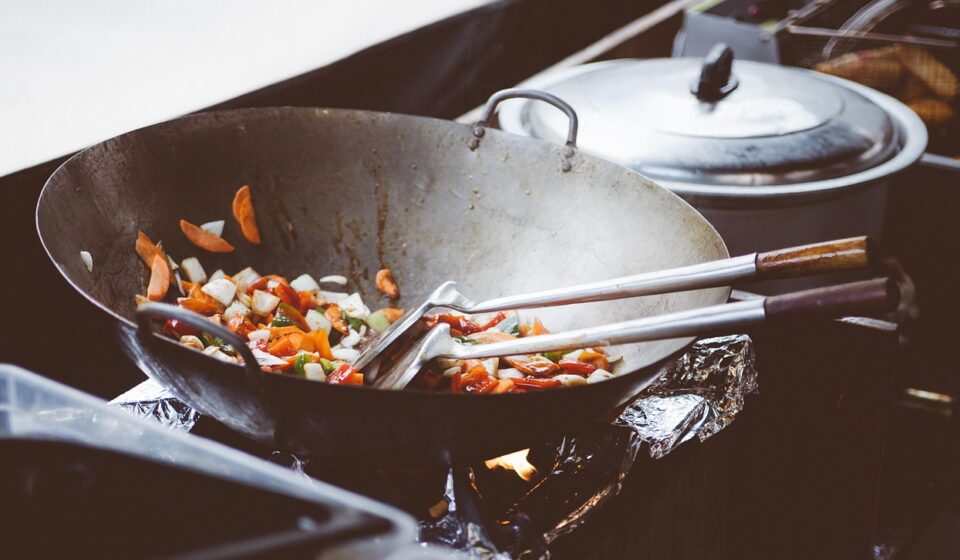
A useful wok buying guide should not only show a list of popular pans. It should help you match a wok with your stove, your daily cooking, and the way you move around the kitchen after work. A wok can sear beef, fry rice, steam vegetables, simmer noodles, and deep fry small batches, but the wrong one can feel too heavy, sticky, or hard to control after only a few meals.
There is no single public database that ranks every wok by home burner performance, coating life, and long term seasoning. For most buyers, it is better to check the basic points first: material, bottom shape, size, handle design, coating, and care. Consumer Reports notes in its 2026 cookware buying guide that woks come in materials such as carbon steel, cast iron, and nonstick, and that flat bottom woks are designed to work well on residential ranges. (onlocation.consumerreports.org)
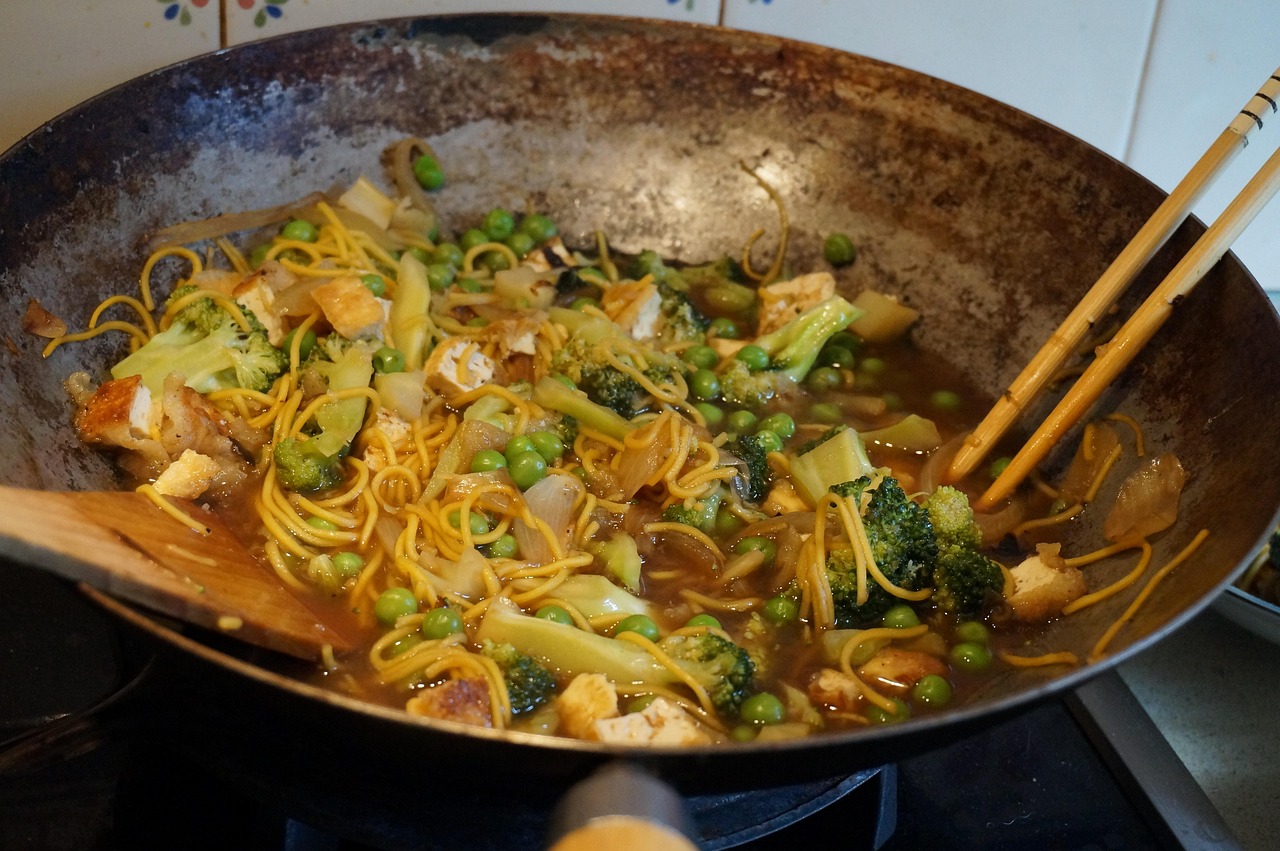
Which Wok Material Should You Choose?
Material affects almost everything: heating speed, weight, cleaning, and whether the pan can take the high heat used for stir frying. Before you compare brands, decide which cooking surface fits your normal meals.
Carbon Steel for Speed and Control
Carbon steel is a common choice for many home cooks because it heats fast, reacts quickly when you raise or lower the flame, and becomes easier to cook on as seasoning builds. It is often lighter than cast iron, so tossing vegetables or moving noodles around the pan is less tiring. Consumer Reports also points out that some cooks prefer carbon steel because it is lighter and conducts heat well. (onlocation.consumerreports.org)
Choose carbon steel if you often cook fried rice, chow mein, green beans, beef strips, or quick eggs. It does need basic care after use. Dry it after washing, then rub a thin layer of oil on the surface. This small step helps prevent rust and makes food release better over time.
Cast Iron for Heat Holding
Cast iron keeps heat well, which helps when you add a cold batch of chicken or vegetables. The tradeoff is weight, and that matters more than many buyers expect. A heavy wok can sit firmly on the stove, but it can also feel clumsy if you like quick wrist movement. If you mostly stir with a spatula instead of tossing the pan, cast iron can still work well.
Thin cast iron woks do not feel the same as thick Western style cast iron. When you buy online, check the listed weight, not only the diameter. A 14 inch wok that weighs too much may stay in the cabinet, even if it looked strong in the product photo.
Nonstick for Gentle Cooking, Not True Stir Frying
Nonstick woks are easy to use for eggs, soft vegetables, and lower heat meals. They are not the best choice for high heat stir frying. High temperature can shorten coating life, and metal spatulas may scratch the surface.
If you want one pan for delicate food and light oil cooking, nonstick is convenient. If your main goal is restaurant style browning, bare carbon steel is usually the better buy.
What Size and Shape Fits Your Stove?
A wok that fits your burner is better than a larger wok that never gets hot enough. Shape matters because home stoves do not work like commercial wok ranges. Your pan needs close contact with the heat source, especially on electric, glass, and induction cooktops.
Fourteen Inches for Most Home Kitchens
For many households, a 14 inch wok is the practical middle size. It gives enough room to move ingredients without crowding, but it still fits most home burners and sinks. A 12 inch wok is easier to store and works for one or two servings. A 16 inch wok can feed more people, but it may heat unevenly on a normal stove.
If your sink is small, measure it before buying. It sounds like a small detail, but it matters when you need to rinse a large pan after dinner. Storage is another point to check. A wok with a long handle may need a hanging rack or a wide cabinet.
Flat Bottoms for Electric and Induction Ranges
A flat bottom wok is the safer choice for electric coil, glass ceramic, and induction cooking because the pan sits steady and makes better surface contact. ENERGY STAR states that induction transfers about 85% of heating energy to cookware, compared with about one third for gas cooking products. That efficiency only helps if your wok has a magnetic, flat base that sits properly on the cooktop. (energystar.gov)
Before buying for induction, look for clear induction compatible wording. If you shop in a store, use a simple magnet test. If a magnet sticks firmly to the base, the wok is likely compatible.
Round Bottoms for Gas Burners and Wok Rings
Round bottom woks work best on gas burners with a proper wok ring or a burner made to hold the pan. The curved base lets food slide toward the hot center, which helps with classic stir frying. On a flat electric stove, a round base can wobble and heat poorly.
If you cook with gas at home, check burner strength and grate shape first. A large round wok on a small burner may look right, but it can cook slowly. It is better to buy a pan your stove can heat hard enough.
Which Handle, Weight, and Thickness Feel Right?
Handle and weight are easy to ignore until the wok is full of noodles. A secure handle, a weight you can lift, and a body that does not warp quickly will matter more than a nice box or a bold product name.
Long Wooden Handles for Tossing
A long handle gives you control when you tilt, shake, or pour from the wok. Wood stays cooler than bare metal during short stovetop cooking, but it still needs care near an open flame.
This handle style suits cooks who often make fried rice, quick vegetables, and noodle dishes that need movement. If you like to toss food instead of only stirring, a long wooden handle is easier to manage.
Loop Handles for Oven and Deep Frying
Two loop handles make a wok easier to lift when it is heavy or filled with oil, broth, or steamed seafood. They also help with storage in some kitchens. The downside is that they give less leverage for tossing.
If you use your wok more like a deep skillet, loop handles make sense. They are also a better fit when you move the pan with two hands instead of one.
Moderate Weight for Daily Use
Thickness changes heat behavior and durability. Very thin carbon steel heats fast, but it can warp if it is treated roughly. Very thick metal keeps heat longer, but it can feel slow and heavy. For everyday home cooking, choose a wok that feels balanced when empty, because it will feel much heavier with food inside.
There is a simple store test that works well. Hold the handle with one hand and pretend to stir with the other. If your wrist feels strained after ten seconds, that wok is not a good fit for daily use.
How Should Safety and Coatings Affect Your Choice?
Safety is not only about the pan itself. It also includes heat level, coating type, utensils, ventilation, and food temperature. A wok gets hot quickly, so your buying decision should match the way you plan to cook.
High Heat Needs Bare Metal
True stir frying uses high heat and short cooking time. Bare carbon steel and cast iron can handle this style better than most coated pans. Use a wok spatula with a rounded edge so it follows the curve of the pan and moves food quickly.
Preheat the wok, add oil, then cook in small batches. If you put in too much food at once, the pan starts steaming instead of searing.
PFAS Questions Need Clear Product Labels
Nonstick cookware can bring up questions about PFAS. The FDA explains that certain PFAS have been authorized for limited food contact uses, including some nonstick coatings, and also notes that cookware coatings are polymerized and bound during manufacturing. That does not mean every coated wok is suitable for high heat. It means you should read the maker’s temperature guidance and replace cookware that is scratched or peeling. (fda.gov)
Food Safety Still Comes from Temperature
A wok can brown food fast, but color alone does not prove the food is safe. The USDA Food Safety and Inspection Service lists 160°F for ground meats and 165°F for all poultry as safe minimum internal temperatures, measured with a food thermometer.
For a chicken stir fry, the thickest piece should reach 165°F before serving. This is a simple check, and it is more reliable than judging by surface color.
What Should You Check Before You Buy?
Small checks before buying can prevent returns. Do not rely only on star ratings. Look at the base, rivets, surface finish, lid fit, and tool bundle. A lower priced wok with the right shape can beat a higher priced one that does not match your stove.
A Magnet Test for Induction
Induction cooktops need magnetic cookware. Many carbon steel and cast iron woks work, but some stainless clad or aluminum based designs may not. Product pages should state induction compatibility.
If the wording is unclear, ask the seller before ordering. This is faster than receiving the pan and finding out it will not heat on your cooktop.
A Smooth Interior and Solid Rivets
The inside should feel smooth enough for a spatula to move without catching. Rivets should sit tight, with no rough gaps that trap food. Welded handles can be easier to clean, while riveted handles often feel strong.
Either handle type can work if the build is clean. What you want to avoid is loose fitting hardware or rough finishing inside the pan.
A Realistic Budget with Needed Tools
The wok is not the only cost. You may need a lid, bamboo brush, wok spatula, oil bottle, steaming rack, or ring for gas. A plain carbon steel wok plus a good spatula can be a better buy than a shiny set full of tools you will never use.
For a first wok, stay practical. Pay for the right material and shape first. Pay for branding last.
How Do You Care for a Wok After Purchase?
Care decides whether a wok gets better with use or turns into a rusty problem. Carbon steel and cast iron work well with simple routines. Nonstick needs gentle heat and soft tools. In each case, the first week matters.
First Wash and Full Drying
New carbon steel often has a factory coating that must be washed off before seasoning. Use warm water and a small amount of dish soap for the first wash. After that, dry the wok fully over low heat.
Do not leave water sitting near rivets or handle joints. Moisture in those spots can cause rust marks, even when the main surface looks dry.
Thin Oil Layers Build Seasoning
Seasoning works best in thin layers. Add a small amount of high smoke point oil, wipe until the surface looks almost dry, then heat until the color changes. Too much oil turns sticky and makes the surface harder to use.
A well used wok may look uneven, brown, or dark. That is normal seasoning, not dirt.
Gentle Cleaning Protects the Surface
After cooking, clean the wok while it is still warm. Hot water and a soft brush usually remove stuck bits. Avoid soaking carbon steel or cast iron because standing water can lead to rust.
For nonstick, skip abrasive pads and metal tools. The goal is not a showroom shine; the goal is a pan ready for tomorrow’s noodles.
FAQ
Q1: What Is the Best Wok for Beginners? A: A 14 inch flat bottom carbon steel wok is the best starting point for many home cooks. It works on most stoves, heats quickly, and builds a useful cooking surface with regular seasoning.
Q2: Is Carbon Steel Better Than Cast Iron for a Wok? A: Carbon steel is usually better for quick stir frying because it is lighter and more responsive. Cast iron is better if you want stronger heat holding and do not mind extra weight.
Q3: Can You Use a Wok on an Induction Cooktop? A: Yes, if the wok has a flat magnetic base. Look for induction compatible labeling and avoid round bottom woks unless your cooktop has a special wok feature.
Q4: Should You Buy a Nonstick Wok? A: Buy nonstick if you cook mostly low to medium heat meals and want easy cleanup. Skip it if your main goal is high heat stir frying, deep browning, or long term seasoning.
Q5: How Much Should a Good Wok Cost? A: Many solid carbon steel woks sit in the affordable to mid price range. Spend enough to get the right size, shape, and handle, but do not overpay for accessories you will not use.