Ouai hair oil ingredients explained for shine, frizz control and heat styling
What the Ouai hair oil ingredients tell you first
Ouai hair oil ingredients show that OUAI Hair Oil is closer to a lightweight finishing oil-serum than a simple plant oil. As of September 2026, current OUAI and major retailer product listings place cyclopentasiloxane, dimethicone, sweet almond oil, isododecane and several emollient esters near the top of the ingredient list. In practical terms, the formula is built first for slip, shine, frizz control and a polished feel on mid-lengths and ends. It also contains botanical oils, fragrance materials, antioxidants and UV-filtering components that support the brand’s heat and color-protection positioning.
The main takeaway is clear: this is a silicone-led hair oil blend with plant oils included, not a pure oil treatment. That can make it useful for smoothing, styling and adding shine when hair feels dry or frizzy. It may be less suitable for shoppers who avoid silicones, added fragrance or nut-derived ingredients. For more ingredient-focused beauty explainers, browse the Beauty Ingredients section.
The current ingredient list at a glance
Cosmetic ingredient lists are generally ordered from highest to lowest concentration until very low levels, so the first several names are the most useful when judging texture and likely performance. The current listed formula starts with silicones, emollients and oils, then moves into botanical extracts, antioxidants, preservative support and fragrance allergens.
| Ingredient group | Examples in the formula | What they usually contribute |
|---|---|---|
| Silicone conditioning base | Cyclopentasiloxane, dimethicone, phenyl trimethicone, dimethiconol, polysilicone-15 | Slip, shine, smoother combing, a light film and a frizz-control feel |
| Light emollients and esters | Isododecane, hydrogenated ethylhexyl olivate, C12-15 alkyl benzoate, coconut alkanes, coco-caprylate/caprate, diisostearyl malate | Less greasy spread, faster dry-down and a softer finish |
| Plant oils and lipid ingredients | Sweet almond oil, jojoba seed oil, jojoba esters, shea butter, sunflower seed oil, rice bran oil, baobab seed oil, borage seed oil, crambe abyssinica seed oil, soybean oil, passion fruit seed oil, moringa seed oil | Emollience, shine, softness and a richer conditioned feel on dry ends |
| Botanical extracts and antioxidants | Galanga root extract, sunflower extract, amaranth seed extract, rice bran extract, carrot root extract, rosemary leaf extract, tocopherol, beta-carotene | Antioxidant-style support and botanical positioning; not the main source of slip |
| Preservatives, stabilizers and fragrance | Phenoxyethanol, benzoic acid, citric acid, BHT, fragrance, benzyl benzoate, citronellol, benzyl salicylate, linalool, hydroxycitronellal, hexyl cinnamal, geraniol | Product stability, scent and disclosure of fragrance allergens |
This structure explains the product’s glossy, lightweight positioning. The front of the formula is designed to coat and smooth the hair surface, while the later oils and extracts add conditioning support and a more botanical ingredient story.
Why the formula feels more like a serum than a traditional oil
The first ingredients create slip and shine
Cyclopentasiloxane and dimethicone are the first two listed ingredients. That matters because these materials are widely used to help formulas spread easily, reduce a rough or grabby feel and leave hair looking smoother. Phenyl trimethicone and dimethiconol add to the glossy, conditioned finish.
This does not make the product “bad” or “fake oil.” It means the performance does not rely only on botanical oils. A pure argan, coconut or jojoba oil behaves differently: it can feel heavier, absorb more slowly and leave more residue if overapplied. OUAI Hair Oil is better understood as a finishing serum-oil hybrid made to support styling and create a sleeker look.
Volatile and lightweight emollients reduce greasiness
Isododecane, C12-15 alkyl benzoate, coconut alkanes and coco-caprylate/caprate help the formula spread in a thinner, silkier layer. These ingredients are useful in hair oils because many users want shine without a wet, heavy or sticky finish. They also explain why a small amount can go a long way, especially on fine or low-density hair.
Plant oils are present, but they are not the whole formula
Sweet almond oil appears third, making it one of the most prominent non-silicone conditioning ingredients. Jojoba seed oil, shea butter, sunflower seed oil, rice bran oil, baobab seed oil, borage seed oil, crambe abyssinica seed oil, passion fruit seed oil and moringa seed oil appear later. These oils can support softness and a more nourishing sensory profile, but they sit inside a silicone and emollient framework.
Key oils and botanicals in the formula
OUAI and retailer listings highlight borage oil, ama oil, baobab seed oil and African galanga root extract as notable ingredients. The full ingredient list gives more context on how those claims fit into the formula.
- Sweet almond oil: Listed high in the formula, sweet almond oil is an emollient that can help dry ends feel softer and look shinier. Its placement makes it more important to the immediate feel than many of the later botanical oils.
- Jojoba seed oil and jojoba esters: These ingredients are often used for smoothness and a conditioned feel. In a hair oil, they help round out the slip from silicones with a more oil-like texture.
- Baobab seed oil: Listed as Adansonia digitata seed oil, baobab seed oil supports the product’s dry-hair and smoothing positioning.
- Borage seed oil: Borage oil is one of the highlighted oils and is used here as part of the frizz-smoothing story.
- Crambe abyssinica seed oil: This ingredient is commonly associated with Abyssinian or ama oil in beauty marketing. It is a lightweight-feeling oil used for gloss and conditioning.
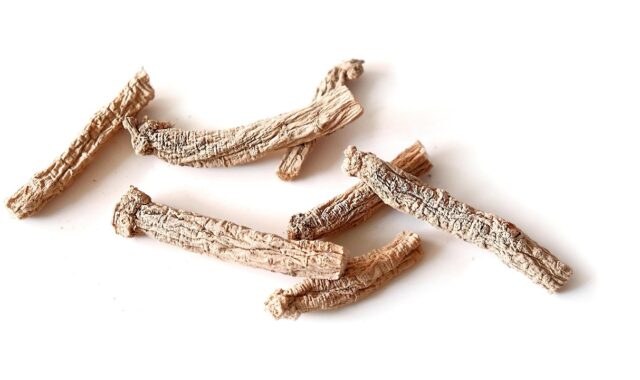
- Galanga root extract: Listed as Kaempferia galanga root extract, this botanical is tied to the brand’s color-protection messaging. It should be read as one supportive component, not as proof that hair color cannot fade.
- Rosemary leaf extract, tocopherol and beta-carotene: These antioxidant-style ingredients can support formula stability and the overall botanical profile.
The ingredient order is important. The highlighted oils are not the only performance drivers. The early silicone base, sweet almond oil and light emollients are likely more important to the immediate slip and shine than the smaller botanical extracts near the end of the list.
Heat protection and UV protection claims need context
Retailer listings describe OUAI Hair Oil as providing heat protection up to 450°F, or 232°C. They also position it as helping protect against UV-related color fading. Those claims are relevant for shoppers who use blow-dryers, curling irons or flat irons, but they still need limits.
A heat-protection claim does not mean hair becomes immune to damage. Heat damage depends on temperature, contact time, hair condition, moisture level, tool quality and how often heat is used. A product can help reduce the look and feel of damage, but sensible heat habits still matter.
UV-related ingredients in a hair oil are also not the same as sunscreen for skin. The formula includes ethylhexyl methoxycinnamate and polysilicone-15, both associated with UV-filtering functions in cosmetic formulas. On hair, the practical claim is about helping reduce color fading and environmental stress, not providing an SPF rating for the scalp. If the scalp is exposed, a skin sunscreen or physical protection such as a hat remains the more appropriate category.
For best results, treat the product as one part of a heat-styling routine: apply a small amount evenly through mid-lengths and ends, avoid soaking the hair, use moderate heat when possible and avoid repeated passes with hot tools.
Potential concerns to know before buying
It is not silicone-free
Anyone looking for a silicone-free hair oil should note that this formula is clearly silicone-based. Cyclopentasiloxane, dimethicone, phenyl trimethicone and dimethiconol are central to the ingredient list. For many hair types, that can be a benefit because silicones improve slip and shine. For strict silicone avoiders or some curly-hair routines, it may be a reason to choose another product.
It contains fragrance and listed fragrance allergens
The formula includes fragrance, also listed as parfum, along with disclosed fragrance components such as benzyl benzoate, citronellol, benzyl salicylate, linalool, hydroxycitronellal, hexyl cinnamal and geraniol. Fragrance is a major part of the OUAI experience, but it can be a drawback for fragrance-sensitive users. If your scalp or skin reacts easily, avoid applying the oil close to the scalp and consider patch testing before regular use. See also: BUYING GUIDES.
It includes sweet almond oil
Sweet almond oil appears near the top of the list. People with serious nut allergies or known sensitivity to almond-derived cosmetic ingredients should be cautious and check with a medical professional or the brand before use. Hair products are often applied away from the scalp, but accidental skin contact is still possible.
It may build up if overused
Because the product uses film-forming conditioning ingredients, too much can make hair look flat, coated or dull over time. This is especially relevant for fine hair, low-porosity hair or anyone who co-washes frequently. A regular gentle shampoo routine can help prevent buildup.
How to use it based on the ingredient design
The official usage guidance matches the ingredient structure: start with one pump and apply from around the eyeline down, focusing on mid-lengths and ends. That placement makes sense because the formula is designed to smooth and polish the hair fiber, not to work as a scalp oil.
- For fine hair: Start with less than one full pump if needed. Warm it between the palms, then lightly skim the ends first. Add more only after the hair dries or settles.
- For medium hair: One pump through damp mid-lengths and ends can help with blow-drying, while a tiny amount on dry hair can refresh shine.
- For thick or coarse hair: Use one pump first, then add more in sections if the hair still feels rough. Applying too much at once can create uneven shine.
- For curly or coily hair: Apply over a leave-in or styling cream to help seal the look of moisture and reduce frizz. If you follow a strict silicone-free method, this will not fit that routine.
- For color-treated hair: Use it as a finishing and heat-styling support product, but do not rely on it as the only color-care step. Gentle cleansing, lower heat and UV awareness still matter.
The most common mistake with this type of formula is applying it too close to the roots. Silicones and emollients spread well, so even a small excess can make the crown look oily. Concentrating on the oldest, driest part of the hair usually gives a better result.
Who is OUAI Hair Oil most likely to suit?
Based on the ingredient list, OUAI Hair Oil is most likely to suit people who want immediate shine, smoother ends and frizz control without the heaviness of a pure oil. It makes the most sense for blowout styling, dry ends, color-treated lengths and hair that looks dull after heat styling or humidity exposure.
It may be less suitable for people who want a fragrance-free product, a silicone-free routine, a scalp oil, a minimal single-oil treatment or a very lightweight unscented finisher. It is also not a repair treatment in the bond-building sense. It can improve the look and feel of hair, but it should not be treated as a substitute for trimming split ends or reducing repeated heat damage.
The simplest way to evaluate it is to start with the problem you want to solve. For visible polish, slip and a smoother blowout finish, the ingredient list is well aligned. For scalp care, ingredient minimalism or silicone avoidance, the same list gives clear reasons to look elsewhere.
Frequently asked questions
Is OUAI Hair Oil silicone-based?
Yes. The first ingredients include cyclopentasiloxane and dimethicone, and the formula also contains phenyl trimethicone, dimethiconol and polysilicone-15. The plant oils are real parts of the formula, but the product’s slip and lightweight shine come largely from its silicone-emollient base.
Does OUAI Hair Oil contain fragrance?
Yes. The ingredient list includes fragrance, or parfum, plus several disclosed fragrance components such as linalool, citronellol, benzyl salicylate and geraniol. If you are fragrance-sensitive, this is an important point to consider.
Is OUAI Hair Oil good for fine hair?
It can be, as long as it is used sparingly. The lightweight carriers and silicones help it spread thinly, but fine hair can still become flat if too much is applied. Start with a very small amount on the ends only.
Can OUAI Hair Oil replace a heat protectant?
Retailer listings describe it as offering heat protection up to 450°F. Still, heat protection depends on how much product is applied, how evenly it is distributed and how aggressively heat tools are used. For frequent high-heat styling, many users may still prefer pairing it with a dedicated heat protectant spray or cream.
Is OUAI Hair Oil a pure natural oil?
No. It contains many botanical oils, including sweet almond, jojoba, baobab, borage and moringa oils, but the overall formula is a cosmetic oil-serum blend. It is designed for styling performance and sensory feel, not as a single-ingredient natural oil.