Organic skincare labels explained for clearer ingredient choices

What organic skincare really means
Organic skincare is best understood as a labeling and sourcing claim. It is not, by itself, a guarantee that a product will be safer, more effective, or suitable for every skin type. In the United States, the FDA regulates cosmetics for labeling and safety, but it does not define the word “organic” for cosmetics. Organic claims tied to agricultural ingredients fall under USDA organic rules, while many beauty-specific seals come from private standards such as COSMOS or NSF/ANSI 305. For buyers, the practical approach is straightforward: do not judge a cleanser, moisturizer, oil, or serum by the front label alone. Check the certification, the full ingredient list, fragrance disclosure, preservation system, and whether the formula fits the skin concern.
This distinction matters because organic skincare sits between two sets of expectations. Beauty shoppers often read “organic” as a skin-health promise. Regulators and certifiers usually treat it as a claim about how agricultural ingredients were grown, processed, and labeled. A plant oil can be organically grown and still feel too heavy for acne-prone skin. A botanical extract can be certified organic and still irritate someone with fragrance sensitivity. A non-organic moisturizer can be well formulated, fragrance-free, and a better fit for a damaged skin barrier.
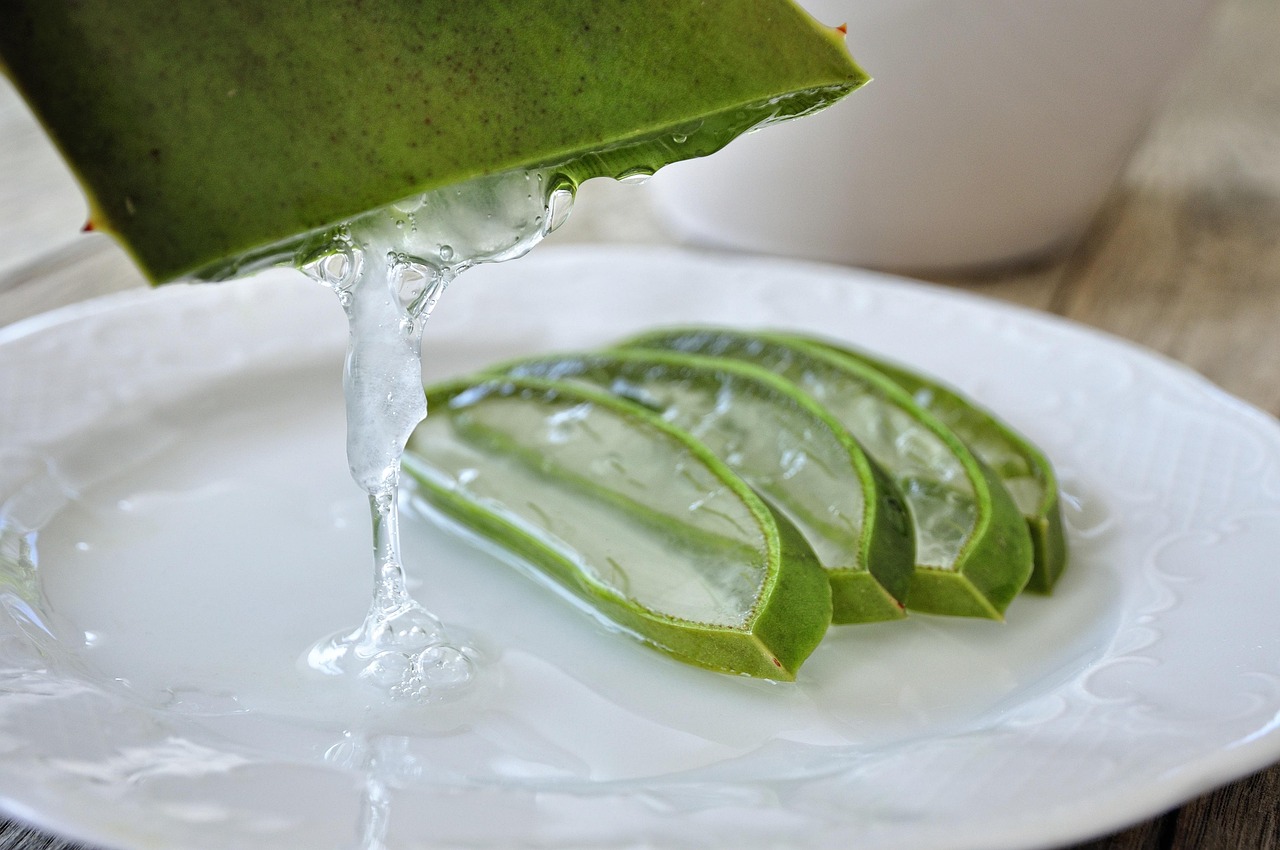
For more ingredient-focused coverage, visit our skincare products section.
The label landscape at a glance
The most confusing part of organic skincare is that several labels can look similar while meaning different things. A USDA Organic seal, a COSMOS Organic mark, an NSF/ANSI 305 claim, and a brand-created “clean organic” badge do not carry the same weight. Public guidance from the FDA, USDA Agricultural Marketing Service, ISO, COSMOS, NSF, and dermatology organizations points to one consistent conclusion: shoppers should separate regulated or standards-based claims from broad marketing language.
| Label or claim | What it usually suggests | What to verify |
|---|---|---|
| USDA Organic | The product or eligible agricultural ingredients are presented under USDA organic rules. | Look for the seal, certifier name, and whether the claim is “100% organic,” “organic,” or “made with organic ingredients.” |
| COSMOS Organic or COSMOS Natural | The product follows a private international cosmetic standard for natural or organic cosmetics. | Check whether the label says Organic or Natural, and look for the certification body. |
| NSF/ANSI 305 | A U.S. personal care standard for products containing organic ingredients. | Confirm the exact certification or certifier rather than relying on a vague “contains organic ingredients” phrase. |
| Natural | The brand wants to emphasize plant, mineral, or naturally derived ingredients. | There is no single U.S. FDA definition for “natural” in cosmetic labeling, so read the ingredient list closely. |
| Clean | A retailer or brand has excluded certain ingredients based on its own policy. | Ask whose standard is being used, what is excluded, and whether safety or performance evidence is provided. |
| Organic extracts | One or more botanical ingredients may be organically sourced. | Do not assume the whole formula is organic. Identify which ingredients are certified and where they appear on the list. |
The USDA organic framework is most familiar from food, but it can apply to cosmetics, body care, and personal care products when they are made with agricultural ingredients and meet the relevant organic production, handling, processing, and labeling rules. The FDA still expects cosmetic products to comply with cosmetic labeling and safety requirements. As a result, an organic face cream may need to satisfy both cosmetic law and organic claim rules, depending on how it is marketed.
Private cosmetic standards fill some of the gaps left by government definitions. ISO 16128 provides technical guidance for calculating natural and organic ingredient indexes, but it is not a consumer-facing certification or a safety approval. COSMOS is a certification system developed for natural and organic cosmetics, while NSF/ANSI 305 addresses personal care products containing organic ingredients. These frameworks can improve transparency, but they are not the same as medical evidence, dermatologist testing, or proof that a product will work for a specific skin condition.
Why organic does not automatically mean gentle
One of the biggest misconceptions in skincare is that natural or organic ingredients are automatically mild. Skin does not evaluate an ingredient by its marketing category. It responds to concentration, pH, fragrance compounds, preservative systems, exfoliating strength, the delivery base, and individual allergy history.
Essential oils are a clear example. Lavender, citrus, peppermint, tea tree, rosemary, and many other aromatic plant materials may appear in organic or natural formulas because they support a botanical positioning. Yet fragrance components, including those from essential oils, can irritate or trigger allergic reactions in some people. The FDA has noted that “natural” or “organic” fragrance does not automatically mean safe, and the American Academy of Dermatology often recommends fragrance-free products for people with eczema, rosacea, or sensitive skin. For reactive skin, “fragrance-free” is usually a more useful clue than “organic scent blend.”
Citrus oils also show why context matters. Some citrus-derived ingredients can be appropriate in cosmetics when formulated safely, but certain citrus oils can create problems when applied to skin that will be exposed to sunlight. The risk depends on the specific ingredient, processing method, concentration, product type, and directions for use. A responsible brand should not rely on the appeal of a familiar fruit name to make an ingredient sound risk-free.
The same caution applies to exfoliating acids, retinoid alternatives, clay masks, scrubs, and botanical peels. If a product tingles, stings, or causes peeling, the presence of organic ingredients does not make overuse harmless. Irritation can weaken the skin barrier and make even a carefully chosen routine uncomfortable.
Formulation details that matter more than the green claim
A well-designed skincare product is a complete formula, not just a list of appealing ingredients. When comparing organic skincare with conventional formulas, start with the product’s intended job.
Cleansers
A cleanser should remove sunscreen, oil, sweat, and daily residue without leaving the skin tight or stripped. Organic plant extracts may add marketing appeal, but the surfactant system, pH, rinse-off feel, and fragrance load usually matter more. If skin feels squeaky, hot, or dry after washing, the cleanser may be too aggressive even if the label looks wholesome.
Moisturizers
Moisturizers work through humectants, emollients, and occlusives. Organic oils and butters can soften dry skin, but heavier textures may not suit everyone. Glycerin, hyaluronic acid, squalane, ceramides, petrolatum, dimethicone, plant oils, and waxes all play different roles. A product does not need to be entirely organic to support the skin barrier, and an organic moisturizer can still be a poor fit if the texture or fragrance does not suit the user.
Serums and treatment products
Serums are often judged by hero ingredients, but stability is critical. Vitamin C derivatives, exfoliating acids, niacinamide, peptides, and retinoids depend on formula design, packaging, pH, and compatibility. If a brand claims dramatic results from a botanical active, look for clear information about the active ingredient, concentration when relevant, testing, and realistic use instructions. Avoid products that imply they can treat eczema, acne, infections, or other medical conditions unless they are properly regulated for those claims.
Preservatives
Any water-containing skincare product needs a preservation strategy. Creams, lotions, gels, toners, and many serums can support microbial growth if they are not adequately preserved. A preservative-free claim may sound attractive, but it can be a warning sign unless the product is truly anhydrous, packaged appropriately, or designed for very short use under controlled conditions. Organic and natural standards may restrict which preservatives are permitted, but they do not remove the need for product safety. See also: BEAUTY INGREDIENTS.
How to evaluate an organic skincare product before buying
A practical review process can prevent disappointment and reduce the risk of irritation. The goal is not to reject organic skincare, but to choose it for the right reasons.
- Start with the product type. Decide whether you need a cleanser, moisturizer, sunscreen, exfoliant, oil, or treatment. Do not let an attractive organic claim distract from the job the product must do.
- Check the certification, not just the wording. Look for a recognized seal, certification body, or clear explanation of the standard used. Vague phrases such as “organic-inspired” or “made with organic botanicals” may refer to only a small part of the formula.
- Read the ingredient list from top to bottom. Ingredients near the beginning are generally present at higher levels, while ingredients near the end may be present in smaller amounts. Pay attention to fragrance, essential oils, exfoliating acids, alcohol, and known personal triggers.
- Match the formula to your skin type. Dry skin may appreciate richer oils and butters. Oily or acne-prone skin may prefer lightweight lotions or gels. Sensitive skin often does better with short, fragrance-free formulas.
- Separate cosmetic claims from drug-like claims. In the U.S., products that claim to treat or prevent disease, or affect the structure or function of the body, can move beyond ordinary cosmetic claims. Be cautious when skincare marketing sounds medical but provides no regulatory or scientific support.
- Consider packaging and shelf life. Airless pumps, opaque containers, and reasonable period-after-opening guidance can matter more than a rustic jar. Repeatedly dipping fingers into a jar can add contamination risk, especially with water-rich formulas.
- Patch test when appropriate. Apply a small amount to a discreet area for several days before using a new product more widely, especially if you have a history of reactions.
Organic skincare by skin concern
Different skin concerns call for different priorities. Organic sourcing may be a preference, but it should not override formula fit.
| Skin concern | What to prioritize | Organic skincare caution |
|---|---|---|
| Dry or flaky skin | Creams with humectants, emollients, and barrier-supporting ingredients. | Plant oils can help comfort the skin, but fragrance-heavy balms may irritate cracked areas. |
| Oily or acne-prone skin | Lightweight, non-greasy textures and gentle cleansing. | Rich organic butters and heavy oils may feel occlusive for some users. |
| Sensitive or redness-prone skin | Fragrance-free, low-irritant formulas with a short ingredient list. | Essential oils and aromatic botanicals are common triggers despite natural positioning. |
| Dullness or uneven tone | Consistent sunscreen use, gentle exfoliation, and evidence-based brightening ingredients. | Botanical brightening claims should be realistic and supported by formula details. |
| Mature or dehydrated skin | Hydration, barrier support, sunscreen, and proven actives where tolerated. | Organic oils can improve feel, but they do not replace sun protection or well-studied actives. |
Sunscreen deserves separate attention. In the United States, sunscreen products are regulated as over-the-counter drugs, not merely cosmetics. An organic facial oil or moisturizer cannot replace a properly labeled broad-spectrum sunscreen with an appropriate SPF. If a daytime organic moisturizer contains no sunscreen active ingredients and no SPF labeling, treat it as skincare only.
Sustainability claims need more than an organic badge
Many shoppers choose organic skincare because they care about farming practices, pesticide use, biodiversity, or lower-impact sourcing. Those are legitimate interests, and USDA organic standards are built around agricultural production requirements such as resource cycling and ecological balance. However, a skincare product’s environmental footprint is broader than whether some plant ingredients were organically grown.
Packaging, shipping distance, water content, palm-derived ingredients, mica sourcing, manufacturing energy, refill systems, and end-of-life waste all matter. A glass jar may look premium but be heavier to ship. A waterless balm may reduce water content but rely on crop-based oils that need responsible sourcing. A certified organic formula may still use plastic packaging. A non-organic formula may use a refillable pack or a concentrated format that lowers waste. The better question is not “Is it organic?” but “What evidence supports the brand’s sourcing, packaging, and safety claims?”
Regulatory attention is also expanding beyond organic language. For example, European restrictions on intentionally added microplastics in cosmetics show that sustainability scrutiny is becoming more specific. This does not mean every organic skincare product is environmentally superior. It means brands are under pressure to substantiate narrower claims rather than relying on broad green imagery.
Frequently asked questions
Is organic skincare better than regular skincare?
Not automatically. Organic skincare may be a better choice if you value certified agricultural sourcing and transparent standards. Regular skincare may be a better choice if it is fragrance-free, better preserved, more stable, or better suited to your skin concern. The formula matters more than the category.
Does USDA Organic apply to skincare?
It can apply when a cosmetic or personal care product is made with agricultural ingredients and meets USDA organic requirements for the specific claim being used. The FDA still regulates cosmetic labeling and safety, so an organic cosmetic is not outside ordinary cosmetic rules.
Are essential oils safe in organic skincare?
Some people tolerate essential oils, but they are not automatically gentle. Essential oils contain fragrance compounds that can irritate skin or trigger allergic reactions in sensitive users. If you have eczema, rosacea, a damaged barrier, or a history of fragrance allergy, fragrance-free skincare is usually a safer starting point.
Can organic skincare contain preservatives?
Yes. Water-containing products usually need preservatives to reduce microbial risk. Organic or natural standards may limit which preservatives are permitted, but a responsible formula still needs an effective preservation strategy.
What is the easiest way to avoid misleading organic claims?
Look for a recognized certification, read which ingredients are actually organic, compare the claim with the full ingredient list, and avoid assuming that “natural,” “clean,” or “botanical” has the same meaning as certified organic. If a claim sounds medical or absolute, treat it with caution.
The bottom line
Organic skincare can be a thoughtful choice, especially for shoppers who care about agricultural sourcing and clearer ingredient standards. But it should be evaluated as skincare first. A credible product should identify its certification or standard, disclose its ingredients clearly, preserve the formula responsibly, avoid exaggerated claims, and fit the intended skin type. The strongest routine is not the one with the greenest front label. It is the one the skin tolerates, the user can follow consistently, and the evidence on the package can support.