Beauty of Joseon Ginseng Essence Water ingredient analysis
Quick verdict
Beauty of Joseon Ginseng Essence Water is best read as a lightweight hydrating essence built around humectants, niacinamide, and a ginseng-themed support complex. It is not positioned, based on the current published ingredient deck, as a high-strength treatment for dark spots, wrinkles, or acne.
The main point for ingredient-conscious shoppers is the order of the current U.S. ingredient list available in September 2026: Water appears first, followed by Butylene Glycol, Glycerin, Propanediol, Niacinamide, 1,2-Hexanediol, and then Panax Ginseng Root Water. That detail matters because some older or regional retail pages have described the product differently, including with an 80% ginseng water claim.
The formula can still make sense for people who want a watery hydration layer, a smoother-feeling routine, and mild support for oil-moisture balance. However, anyone buying it mainly for a high percentage of ginseng should check the ingredient list printed on the box or bottle they receive. For more ingredient-led skincare explainers, visit our beauty ingredients section.
What the current ingredient deck says
As of September 2026, Beauty of Joseon’s U.S. product page and Sephora’s U.S. product page both publish a full ingredient list that begins with Water, Butylene Glycol, Glycerin, Propanediol, Niacinamide, 1,2-Hexanediol, and Panax Ginseng Root Water. The remaining ingredients include Hydroxyacetophenone, Glyceryl Glucoside, Panthenol, Xanthan Gum, Allantoin, Dipotassium Glycyrrhizate, Adenosine, Dextrin, Theobroma Cacao Extract, Disodium EDTA, Glucose, several Panax ginseng derivatives, Ethylhexylglycerin, Lactobacillus/Panax Ginseng Root Ferment Filtrate, and Sodium Hyaluronate.
This order does not disclose the exact percentage of each ingredient. Cosmetic labels normally list ingredients in descending order of predominance, while the U.S. FDA’s cosmetics labeling guidance explains that ingredients present at 1% or less may be listed in any order after ingredients present above 1%. In practical terms, the top of the list is the clearest guide to the formula’s structure. The lower portion is less reliable for estimating exact amounts.
The hydration base is the real backbone
The first few ingredients point to a water-based, humectant-forward product. Butylene Glycol, Glycerin, and Propanediol are widely used for water binding, slip, and texture support. In a watery essence, they help the product feel less thin or flat on skin and make it easier to layer under a serum or moisturizer.
That is why the everyday effect is more likely to feel hydrating than corrective. If skin feels tight after cleansing, this type of essence can add a quick damp layer before cream. If skin is already very oily, or if a user prefers a minimal routine, the benefit may be more subtle.
Niacinamide sits high enough to matter
Niacinamide appears fifth in the current published ingredient list, before 1,2-Hexanediol and before Panax Ginseng Root Water. Without a declared percentage, it would not be responsible to assign a specific strength. Even so, its position places it in the visible top section of the deck rather than among trace-positioned ingredients.
Dermatology literature on topical niacinamide, also called nicotinamide, supports its use in barrier care, uneven tone, pigmentation-related cosmetic concerns, and signs of photoaging when formulated appropriately. That does not mean every niacinamide product will perform the same way. Concentration, pH, supporting ingredients, packaging, and user tolerance all affect the result. In this essence, niacinamide is best understood as a daily-support ingredient for oil-moisture balance and dullness, not as a stand-alone dark spot treatment.
Ginseng is present as a complex, not just one extract
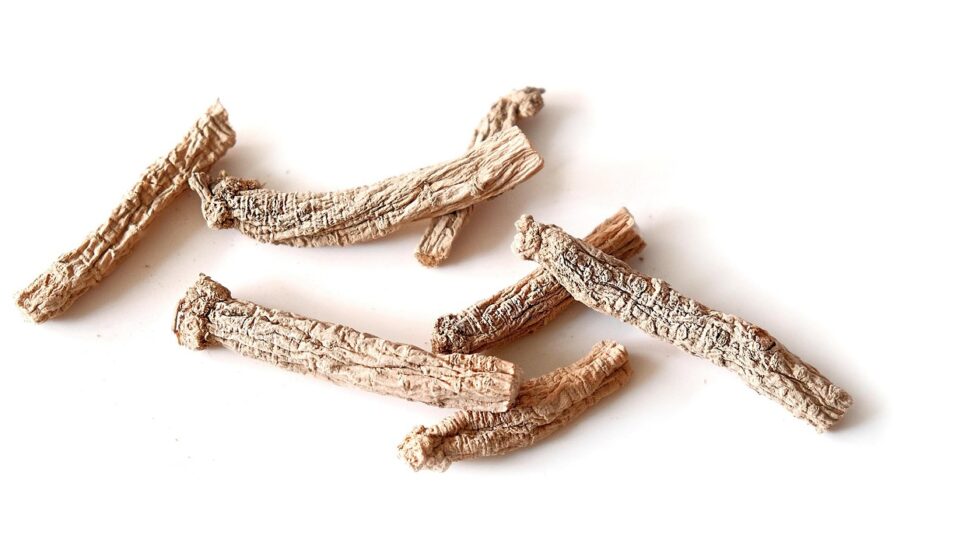
The current list includes Panax Ginseng Root Water as well as Panax Ginseng Callus Culture Extract, Panax Ginseng Root Extract, Panax Ginseng Berry Extract, and Lactobacillus/Panax Ginseng Root Ferment Filtrate. This supports the brand’s ginseng positioning, but the placement of the first ginseng ingredient after 1,2-Hexanediol is important context for shoppers comparing claims.
Research reviews on Panax ginseng and ginsenosides discuss antioxidant, anti-inflammatory, and skin barrier-related mechanisms, with much of the evidence coming from laboratory, animal, ingredient, or mixed clinical contexts. That background helps explain why ginseng is common in Korean skincare. It should not be stretched into a promise that one essence will reverse wrinkles or visibly lift the skin.
Why the 80% ginseng water claim can be confusing
A major search issue around Beauty of Joseon Ginseng Essence Water is the mismatch between some product descriptions. Sephora UK’s product page, viewed in 2026, still described the essence as being made with 80% ginseng water and showed Panax Ginseng Root Water as the first ingredient. By contrast, the current Beauty of Joseon U.S. page and Sephora U.S. page list Water first and Panax Ginseng Root Water later in the deck.
That difference may reflect an older formulation, regional listing copy, delayed retailer updates, packaging changes, or a market-specific ingredient declaration. Without a clear dated reformulation announcement from the brand, the careful conclusion is not to accuse any listing of being wrong. The practical takeaway is simpler: if the ginseng percentage is the reason for purchase, rely on the ingredient list printed on the bottle or box rather than on older reviews or retailer summaries.
| What shoppers may see | Why it matters | How to read it |
|---|---|---|
| Current U.S. listings with Water first | Suggests a water-humectant essence structure with niacinamide high in the deck | Good for hydration and layering; do not assume 80% ginseng from this list |
| Some regional or older pages mentioning 80% ginseng water | Creates a different expectation of the formula’s base | Check the physical package, especially if buying from international retailers |
| Multiple ginseng derivatives near the lower half | Supports the product story but does not reveal exact total ginseng content | Consider ginseng a supporting complex unless your package states otherwise |
What skin concerns it can reasonably target
The most realistic benefits are hydration, a softer feel after cleansing, a smoother-looking surface from better water balance, and mild support for dullness through niacinamide. It may also suit users who want a toner step that does not rely on strong exfoliating acids.
The brand describes the product as a barrier-boosting essence for hydration, antioxidant benefits, and glow. It also reports that a sensitive-skin 24-hour patch test by Korea Dermatology Research Institute on 33 subjects found it to be non-irritating. That is useful context, but it is not the same as a long-term clinical trial proving visible anti-aging, acne reduction, or pigment correction in a broad population.
For dry or dehydrated skin, the water-binding base can make moisturizer feel more comfortable. For combination or oily skin, niacinamide and a light texture may be more appealing than a heavy cream. For uneven tone, the product may play a supporting role, but sunscreen, consistent routine design, and more targeted actives will usually matter more. See also: BUYING GUIDES.
Who is most likely to enjoy it
This essence is most likely to suit users who like thin, fast-layering skincare and want hydration without a sticky serum feel. It can be a sensible option for normal, combination, oily-dehydrated, and mildly dry skin types. It may also appeal to people building a gentle Korean skincare routine around cleanser, essence, moisturizer, and sunscreen rather than a routine full of strong actives.
People with very dry skin may still need a richer cream on top. People with persistent hyperpigmentation may need ingredients such as well-formulated vitamin C, retinoids, azelaic acid, exfoliating acids, or dermatologist-guided treatments, depending on the cause. People with acne-prone skin should remember that hydration can support comfort, but an essence is not an acne medication.
- Best fit: dehydrated, dull, normal, combination, or oily skin that wants a light hydrating layer.
- Possible fit: sensitive skin users who tolerate niacinamide and want a low-residue essence, after patch testing.
- Less ideal: shoppers expecting a high-percentage ginseng treatment unless their package clearly supports that claim.
- Use caution: anyone who reacts easily to botanical extracts, ferments, or niacinamide.
How to use Beauty of Joseon Ginseng Essence Water
Use it after cleansing and before serum, moisturizer, or sunscreen. The brand suggests applying a few drops with clean hands and pressing it into the skin, or using a cotton pad to sweep it from the center of the face outward. For most routines, hands are the more economical option because cotton pads absorb product.
In the morning, apply it after washing or rinsing, then follow with moisturizer if needed and broad-spectrum sunscreen. In the evening, use it after cleansing and before treatment serums or cream. If the routine already includes exfoliating acids, retinoids, or strong vitamin C, keep this essence in the hydrating part of the routine rather than treating it as another active step.
One layer is enough for many people. If skin is dehydrated, two thin layers may feel better than one heavy layer, but stop if skin becomes tacky or warm. Avoid applying it on broken skin. If you are new to niacinamide or fermented botanical ingredients, patch test on a small area for several days before using it across the face.
How it compares with a toner, serum, and exfoliant
Although many retailers place this product in the toner or essence category, it does not behave like an exfoliating toner. It is not built around glycolic acid, lactic acid, salicylic acid, or a strong resurfacing system. Its role is closer to a hydrating prep step.
Compared with a serum, it is lighter and less targeted. A serum usually has a more concentrated treatment direction, such as pigment, fine lines, redness, or acne. Compared with a moisturizer, this essence adds water and humectants but does not provide enough occlusive support for very dry skin on its own.
| Routine step | Main purpose | Where this product fits |
|---|---|---|
| Exfoliating toner | Loosens dead skin cells with acids | Not the main function here |
| Hydrating essence | Adds water-binding ingredients and comfort | This is the closest category |
| Treatment serum | Targets a specific concern more directly | Can be layered after the essence |
| Moisturizer | Seals in hydration and supports barrier comfort | Usually still needed for dry skin |
Frequently asked questions
Does Beauty of Joseon Ginseng Essence Water contain 80% ginseng water?
Some retail pages and older content have described the product that way, but current U.S. product listings available in September 2026 show Water as the first ingredient and Panax Ginseng Root Water later in the list. Because product formulas and regional labels can differ, check the ingredient list on the package you are buying.
Is it good for oily skin?
It can be. The texture is watery, and niacinamide is included high in the current published ingredient list. Oily skin that feels dehydrated may enjoy it under a gel moisturizer or sunscreen. If skin becomes shiny from too many layers, use one light layer only.
Can it fade dark spots?
It may support a brightening routine because niacinamide has evidence for cosmetic tone and pigmentation concerns. However, this essence should not be treated as a dedicated dark spot corrector. Daily sunscreen and targeted actives are usually more important for visible pigmentation results.
Can sensitive skin use it?
The brand reports a 24-hour patch test on 33 subjects and positions the product as suitable for daily use. Still, sensitive skin varies. Niacinamide, botanical extracts, and fermented ingredients can bother some users, so patch testing is a sensible step.
Should it replace moisturizer?
No. It can add hydration before moisturizer, but it is not rich enough to replace a cream for most dry or barrier-compromised skin. Think of it as a water layer, not the sealing step.
Bottom line
Beauty of Joseon Ginseng Essence Water is a well-positioned hydrating essence for people who like lightweight Korean skincare and want niacinamide plus a ginseng-themed complex. Its strongest practical value is comfort, hydration, and routine layering. The key buyer note is the ingredient-list discrepancy around ginseng concentration. In 2026, current U.S. listings support reading it as a water-humectant-niacinamide essence with ginseng support, not automatically as an 80% ginseng-water formula. If that distinction matters, let the package in hand decide.