Beauty of Joseon sunscreen ingredients explained for Relief Sun and U.S. formulas
If you are searching for beauty of joseon sunscreen ingredients, start with the exact product name. Beauty of Joseon does not sell one universal sunscreen formula worldwide. The well-known global Relief Sun formula uses newer organic UV filters such as ethylhexyl triazone, diethylamino hydroxybenzoyl hexyl benzoate, diethylhexyl butamido triazone, and methylene bis-benzotriazolyl tetramethylbutylphenol. Beauty of Joseon also sells U.S.-market sunscreens with FDA-style active ingredient panels, including chemical formulas with avobenzone, homosalate, octisalate, and octocrylene, plus a tinted mineral option based on zinc oxide. In practical terms, the ingredient list depends on the product name and the market where it is sold.
This guide explains the main formulas, what their sunscreen filters do, and which supporting skin-care ingredients are most relevant when comparing labels. For more ingredient explainers, browse our beauty ingredients section.
Why the ingredient list changes by product and market
Beauty of Joseon is best known internationally for Relief Sun, but the brand now has several sunscreen products with different regulatory and texture requirements. That distinction matters because shoppers, retailers, and reviewers may use the phrase “Beauty of Joseon sunscreen” as if every tube contains the same filters. It does not.
The global Relief Sun line is usually sold with SPF50+ PA++++ positioning and a cosmetic-style ingredient list. Its sunscreen filters appear within the full INCI list rather than in a separate U.S. Drug Facts box. By contrast, the U.S.-market formulas list active ingredients and percentages in the format expected for over-the-counter sunscreen products in the United States. This is not only a packaging difference; it reflects different sunscreen ingredient frameworks.
Beauty of Joseon’s official product information also states that Relief Sun was renamed from “Rice + Probiotics” to “Rice + Niacinamide” while the formula, ingredients, and size remained unchanged. Because packaging with either name may still appear in the market, the most reliable approach is to compare the full ingredient list on the box or retailer page before buying.
The core Relief Sun ingredients
The original global Relief Sun formula is the product most people mean when they search for Beauty of Joseon sunscreen ingredients. It is a lightweight cream sunscreen built around modern organic UV filters, moisturizing solvents and emollients, niacinamide, rice-derived ingredients, and ferment extracts.
| Ingredient group | Examples in Relief Sun | What it contributes |
|---|---|---|
| UV filters | Ethylhexyl triazone, diethylamino hydroxybenzoyl hexyl benzoate, diethylhexyl butamido triazone, methylene bis-benzotriazolyl tetramethylbutylphenol | Broad UV protection using newer organic filters commonly found in non-U.S. sunscreen formulas |
| Humectants and texture helpers | Propanediol, glycerin, butylene glycol, pentylene glycol, 1,2-hexanediol | Hydration, slip, and a more moisturizer-like feel |
| Emollients and sensory ingredients | Dibutyl adipate, coco-caprylate/caprate, caprylyl methicone | Light spreadability and a less greasy finish |
| Skin-care ingredients | Niacinamide, tocopherol, adenosine, rice extract, rice germ extract, green tea leaf extract | Brightening support, antioxidant support, and general skin-conditioning benefits |
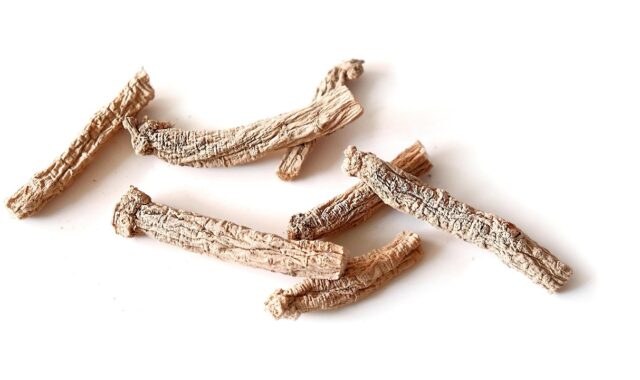
| Ferment and botanical ingredients | Aspergillus ferment, bacillus/soybean ferment extract, lactobacillus/rice ferment, saccharomyces/rice ferment filtrate, ginseng root extract | Formula identity and additional conditioning claims, not the main source of UV protection |
The most useful way to read this formula is to separate the sunscreen filters from the skin-care story. The UV filters provide the sun-protection function. Ingredients such as rice extract, niacinamide, ferments, green tea, and ginseng help define the product’s skin-care positioning, but they should not be treated as substitutes for the filters.
What each Relief Sun UV filter is doing
Relief Sun is not a zinc oxide or titanium dioxide mineral sunscreen. It uses organic UV filters that are common in Korean and European-style formulas. These filters are one reason the texture can feel lighter and less chalky than many traditional mineral sunscreens.
- Ethylhexyl triazone is mainly valued for strong UVB absorption, which supports SPF performance.
- Diethylamino hydroxybenzoyl hexyl benzoate is a UVA-focused filter, useful because UVA protection matters for long-term photoaging and pigmentation concerns.
- Diethylhexyl butamido triazone adds further UV protection and helps round out the filter system.
- Methylene bis-benzotriazolyl tetramethylbutylphenol, listed in the official formula as nano, is a broad-spectrum filter used in many non-U.S. sunscreen systems.
This filter mix helps explain why the product is popular with people who dislike white cast. It also explains why shoppers in the United States may see different Beauty of Joseon sunscreen formulas. Some of these global filters are not listed as standard U.S. OTC sunscreen active ingredients, while U.S. products generally use FDA-recognized actives in a Drug Facts panel.
Relief Sun Aqua-Fresh has a different filter system
Relief Sun Aqua-Fresh: Rice + B5 belongs to the Relief Sun family, but it is not the same ingredient list. Beauty of Joseon positions it as a fresher, faster-absorbing sunscreen. Its official ingredient information lists sunscreen filters including ethylhexyl triazone, terephthalylidene dicamphor sulfonic acid, drometrizole trisiloxane, diethylamino hydroxybenzoyl hexyl benzoate, and bis-ethylhexyloxyphenol methoxyphenyl triazine.
The supporting ingredients also point to a hydration-focused product. Aqua-Fresh includes rice seed water high in the ingredient list, panthenol, glycerin, beta-glucan, sodium hyaluronate, ceramide NP, phytosphingosine, rice amino acids, oat kernel extract, green tea leaf water, and ferulic acid. On paper, this makes the formula look more watery and barrier-supportive than the creamier Relief Sun formula.
For shoppers choosing between the two, the practical difference is texture and finish rather than a simple “better” ingredient list. Relief Sun is more cream-like and dewy. Aqua-Fresh is designed to feel lighter and more refreshing. Both rely on modern organic UV filters and both include rice-derived ingredients, but they use different filter combinations and different moisturizing structures.
How the U.S. Beauty of Joseon sunscreen formulas compare
U.S. Beauty of Joseon sunscreens can look very different because they use active ingredient percentages familiar to American sunscreen labels. This is where many ingredient-list misunderstandings start. A shopper may compare a global SPF50+ PA++++ formula with a U.S. SPF product and assume one is fake or reformulated, when they may simply be different market-specific products.
| Product | Type of sunscreen system | Key actives or filters | Ingredient notes |
|---|---|---|---|
| Day Dew Sunscreen SPF 50 | U.S.-market chemical sunscreen | Avobenzone 3.0%, homosalate 7.0%, octisalate 5.0%, octocrylene 5.0% | Includes glycerin, niacinamide, panthenol, rice extract, and sodium hyaluronate for a dewy skin-care feel |
| Dayscreen Moisturizer SPF 30 | U.S.-market chemical sunscreen moisturizer | Avobenzone 2.7%, homosalate 5.0%, octisalate 4.5%, octocrylene 4.0% | Includes green tea leaf water, sodium hyaluronate, ceramide NP, macadamia seed oil, and glycolipids |
| Daily Tinted Fluid Sunscreen SPF 40 | U.S.-market tinted mineral sunscreen | Zinc oxide | Uses mineral pigment ingredients such as iron oxides for tint, plus emollients and oil-control texture ingredients |
These U.S. formulas are not ingredient duplicates of the global Relief Sun. Day Dew is the closest in skin-care positioning because it includes niacinamide, panthenol, rice extract, and hyaluronic acid, but its UV-filter system is built around U.S. chemical sunscreen actives. Daily Tinted Fluid is the major contrast: it is a mineral-based tinted sunscreen rather than a clear, organic-filter cream.
Which ingredients matter for your skin type
Ingredient lists are useful only when tied to a real purchase decision. For sunscreen, the most important question is still whether you will apply enough product and reapply it consistently. After that, texture, finish, sensitivity, eye sting, tint, and skin type become practical differentiators. See also: BUYING GUIDES.
For dry or dehydrated skin
Relief Sun and Day Dew both make sense on paper for people who prefer a moisturized finish. Relief Sun contains several humectants and emollients, plus rice extract and niacinamide. Day Dew includes glycerin, dimethicone, niacinamide, panthenol, rice extract, and sodium hyaluronate, which support a dewy, comfortable feel.
For oily or combination skin
Aqua-Fresh may be more appealing if a creamy sunscreen feels too heavy. Its formula emphasizes a fast-absorbing hydration profile with rice seed water, panthenol, silica, beta-glucan, and sodium hyaluronate. Daily Tinted Fluid may also suit some oily-skin users because tinted mineral fluids often include powders and texture modifiers, although the final feel depends on shade match and application amount.
For people avoiding white cast
Global Relief Sun and Aqua-Fresh are generally better candidates than mineral-only sunscreens because their UV-filter systems do not rely on zinc oxide or titanium dioxide as the main visible mineral layer. Daily Tinted Fluid uses zinc oxide but offsets white cast with tint and iron oxides, so shade compatibility becomes the key issue.
For sensitive skin
There is no single “sensitive-skin safe” answer from an ingredient list alone. Some people tolerate mineral zinc oxide formulas better; others prefer the elegance of modern organic filters. If you react easily, check for known personal triggers such as denatured alcohol, specific preservatives, botanical extracts, fragrance components, or eye-stinging filters. Patch testing on a small area is more useful than relying on the word “gentle” alone.
How to verify the ingredient list before buying
Because packaging names, regional versions, and retailer stock can overlap, the safest way to shop is to verify the exact formula before purchase. This is especially important for Beauty of Joseon because the global and U.S. sunscreen ranges are not identical.
- Check the full product name. “Relief Sun: Rice + Probiotics,” “Relief Sun: Rice + Niacinamide,” “Relief Sun Aqua-Fresh: Rice + B5,” “Day Dew,” “Dayscreen Moisturizer,” and “Daily Tinted Fluid” are different buying signals.
- Look for active ingredient formatting. A U.S. Drug Facts-style panel with percentages usually indicates a U.S.-market sunscreen formula.
- Compare the first ten ingredients. The first part of the list tells you a lot about water base, emollients, humectants, alcohol, powders, and main texture.
- Confirm the UV filters. If you want the global Relief Sun experience, look for the modern-filter set rather than avobenzone-based U.S. actives or zinc oxide.
- Buy from authorized retailers when possible. Ingredient mismatches can come from legitimate regional differences, older packaging, or unreliable listings.
Frequently asked questions
Did Beauty of Joseon change the Relief Sun ingredients?
Beauty of Joseon’s official product information states that Relief Sun was recently renamed from Rice + Probiotics to Rice + Niacinamide, while the formula, ingredients, and size remained unchanged. Shoppers should still check the ingredient list on their own tube because retailers may sell different regional products or older packaging.
Is Beauty of Joseon Relief Sun a mineral sunscreen?
No. The global Relief Sun formula is not a mineral zinc oxide or titanium dioxide sunscreen. It uses organic UV filters, including ethylhexyl triazone and diethylamino hydroxybenzoyl hexyl benzoate. If you want a mineral Beauty of Joseon sunscreen, look at the Daily Tinted Fluid SPF 40, which is based on zinc oxide.
Which Beauty of Joseon sunscreen has niacinamide?
The global Relief Sun formula includes niacinamide, and Beauty of Joseon now highlights this in the Rice + Niacinamide naming. Day Dew Sunscreen SPF 50 also includes niacinamide among its inactive skin-care ingredients.
Why does the U.S. version have different sunscreen actives?
In the United States, sunscreens are regulated as over-the-counter drugs, and labels commonly list active ingredients with percentages. Beauty of Joseon’s U.S.-market chemical sunscreens use actives such as avobenzone, homosalate, octisalate, and octocrylene, while its global Relief Sun uses a different set of modern organic filters.
Which formula is best if I want the classic Beauty of Joseon feel?
If by “classic” you mean the creamy, dewy Korean sunscreen texture, Relief Sun is the closest match. If you want a lighter watery feel, Aqua-Fresh is the more relevant comparison. If you are shopping in the U.S. and need a formula sold through U.S. channels, compare Day Dew, Dayscreen Moisturizer, and Daily Tinted Fluid by finish, filter type, and skin type.
The bottom line
The main takeaway is that Beauty of Joseon sunscreen ingredients are product-specific. Relief Sun is a modern organic-filter sunscreen with rice, niacinamide, ferments, humectants, and emollients. Aqua-Fresh uses a different organic-filter system and leans into watery hydration with rice seed water and panthenol. U.S.-market products use FDA-style active ingredient panels, with Day Dew and Dayscreen Moisturizer built around avobenzone combinations and Daily Tinted Fluid built around zinc oxide.
When comparing ingredient lists, do not judge the product only by the front label. Match the exact sunscreen name, region, UV filters, and supporting ingredients to your skin needs. That will give you a more accurate answer than assuming every Beauty of Joseon SPF is the same formula in different packaging.