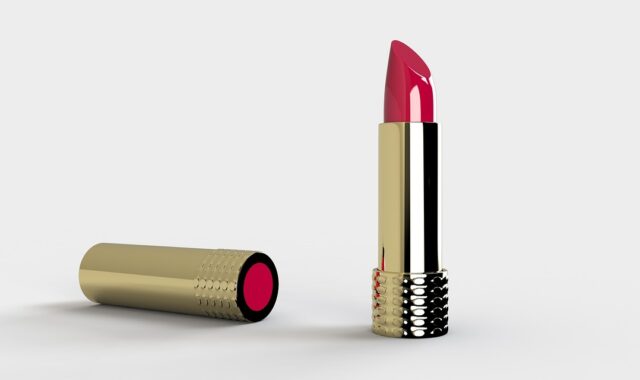
How beauty brands should evaluate packaging design firms

Packaging design is now a market-readiness decision
For beauty brands, packaging design firms are no longer just visual identity partners. The right firm helps turn a product concept into packaging that can work on shelf, ship safely, communicate ingredients clearly, support compliant claims and fit manufacturing realities. Cosmetic packaging now sits at the intersection of brand storytelling, regulatory labeling, sustainability scrutiny and e-commerce performance. A beautiful jar, tube or carton can still create risk if the label hierarchy is unclear, the environmental claim is unsupported or the structure is difficult to fill at scale.
This article offers a practical framework for evaluating packaging design firms for beauty and personal care products. It is not a ranking list. It explains what to check, what to ask and where a specialist firm can add value before artwork moves into production.

What packaging design firms do for beauty brands
A packaging design firm typically works across strategy, structure, graphics and production handoff. Some firms focus mainly on brand identity and visual systems. Others also support dielines, secondary packaging, material exploration, packaging engineering coordination and supplier-ready artwork. Beauty brands should understand that difference before comparing proposals, because two firms may use the same phrase, such as “packaging design,” while offering very different scopes.
In cosmetics and personal care, a strong packaging partner should be able to connect four workstreams:
- Brand strategy: defining the audience, price positioning, category codes, color language, typography and product line architecture.
- Information design: organizing product name, benefits, shade, size, ingredients, directions, warnings, contact information and claims in a way that is legible and commercially clear.
- Structure and materials: considering component shape, finish, closure, carton style, dispensing method, recyclability, refill potential and production limits.
- Production handoff: preparing files, dielines, print specifications, color references and vendor communication notes so the concept can survive real manufacturing.
The most useful firms do not treat these as separate tasks. They build a system in which the brand story, package form and label information support one another.
Why beauty packaging needs specialist judgment
Beauty packaging is sensitive to small design decisions. A skincare carton may need to balance clinical credibility with emotional appeal. A color cosmetics line may require shade navigation across dozens of stock keeping units. A hair care bottle may need to remain readable in a shower environment. Fragrance, premium skincare and refillable formats introduce further constraints around tactility, weight, closure quality and shelf presence.
Specialist judgment matters because many beauty purchases begin with quick visual filtering. Consumers often scan for product type, promised benefit, skin or hair concern, shade, scent, size and usage cues before they read detailed copy. On e-commerce pages, the primary pack image may function as the first label. In stores, the same design has to compete under lighting conditions and shelf arrangements the brand does not control.
A general design studio can create attractive graphics, but beauty packaging requires a closer reading of category language. Minimalism, clinical white space, soft wellness palettes, metallic finishes, botanical imagery and refill cues all carry meanings that vary by price tier and product type. The goal is not to follow trends blindly. It is to understand which visual signals build trust for the intended buyer.
Compliance and claims should be considered before the final artwork
Packaging design firms do not replace legal, regulatory or quality experts. However, a firm experienced in beauty should know when design choices may trigger review. This is especially important in the United States, where the FDA Cosmetics Labeling Guide and cosmetic labeling regulations address issues such as ingredient declaration, identity statements, net quantity, required label information and readability. The Modernization of Cosmetics Regulation Act of 2022 also added new requirements affecting cosmetic businesses, including label contact information for adverse event reporting and future fragrance allergen labeling rules once the relevant FDA regulation is finalized.
Environmental claims need the same caution. The Federal Trade Commission’s Green Guides say marketers need competent and reliable evidence for environmental claims, and that broad recyclable, compostable or biodegradable language can be misleading if it is not properly qualified. For a beauty brand, that means words such as “eco-friendly,” “sustainable,” “recyclable,” “plastic-free” or “refillable” should be checked against the actual material, collection access, package components and consumer instructions.
For brands selling in Europe, packaging teams also need to pay attention to Regulation (EU) 2025/40, the Packaging and Packaging Waste Regulation. It entered into force in February 2025 and applies generally from August 12, 2026. Public European Commission materials describe it as covering the packaging life cycle, including design, waste handling, packaging minimization, reuse and recyclability. Even when a young brand is not yet selling internationally, a design firm should understand why early material and label decisions can make future market expansion easier or harder.
The practical point is straightforward: compliance review should not be saved for the day before printing. Beauty brands should ask design firms how they organize claim copy, regulatory placeholders and approval rounds before final mechanical files are produced.
A practical checklist for comparing packaging design firms
Portfolio style matters, but it should not be the only selection factor. A firm that has designed strong beverage, fashion or technology packaging may still need guidance on cosmetic labeling, shade systems, product families or beauty retail conventions. The following checklist can help brands compare firms on substance.
| Evaluation area | What to ask | Why it matters |
|---|---|---|
| Beauty category experience | Have you designed skincare, hair care, fragrance, color cosmetics or personal care packaging with similar constraints? | Beauty subcategories use different trust signals, label hierarchies and component formats. |
| Line architecture | How would you organize a product family with multiple sizes, shades, scents or formulas? | A strong system reduces confusion and supports future launches. |
| Claims handling | How do you flag claims that need regulatory, legal or substantiation review? | Unsupported benefit or sustainability claims can create avoidable risk. |
| Production knowledge | Do you prepare print-ready artwork, dielines, finish specifications and vendor notes? | Concept art is not the same as production-ready packaging. |
| Material awareness | Can you discuss trade-offs among plastic, glass, aluminum, paperboard, refill formats and mixed-material packs? | Material choices affect cost, weight, breakage, recyclability and brand perception. |
| E-commerce performance | How do you test pack communication for thumbnails, PDP images and shipping realities? | Beauty discovery increasingly happens through digital images before physical handling. |
| Revision process | How many rounds are included, and who consolidates feedback from brand, regulatory, supplier and retail teams? | Unmanaged feedback can delay launch and weaken the design system. |
Brands researching more packaging topics can also review the Packaging Design section for related industry perspectives.
Agency, freelancer or packaging supplier
Not every project requires the same type of partner. A full-service packaging design agency may be useful when a brand is launching a new line, repositioning an existing range or building a visual system across several product types. Agencies often bring strategy, naming support, identity systems, art direction and production coordination. They may cost more, but they can reduce fragmentation when many decisions must be made together.
A freelance designer can be a good fit for narrower assignments, such as adapting an established identity to a carton, updating label artwork or creating a limited packaging concept. The trade-off is that the brand may need to manage regulatory review, supplier coordination and technical artwork more actively. See also: BEAUTY INGREDIENTS.
Packaging suppliers and component manufacturers can also support design, especially when structure, tooling, decoration method or filling compatibility is central to the project. Their advantage is practical manufacturing knowledge. Their limitation is that recommendations may naturally reflect the components, materials and production methods they sell. For that reason, supplier input is valuable, but it should be balanced with independent brand and compliance review.
The best choice depends on the stage of the brand. A startup with one hero product may need clarity, speed and cost control. A growing beauty brand preparing for retail expansion may need stronger systems, better documentation and a partner who can think several launches ahead.
What to include in the design brief
A clear brief helps packaging design firms quote accurately and reduces the chance of paying for unnecessary exploration. It also makes proposals easier to compare. At minimum, a beauty packaging brief should include the product category, target buyer, price point, sales channels, launch markets, product claims under consideration, formula or ingredient sensitivities, package components, required copy, expected order quantities, sustainability goals and timeline.
Brands should also share visual references, but those references need context. Instead of saying “make it look premium,” identify what premium means for the product: heavier materials, restrained color, clinical typography, custom illustration, metallic detail, refillable construction or a more precise copy hierarchy. The clearer the reason behind a reference, the easier it is for the design firm to create original work rather than imitate competitors.
The brief should also state what is already decided and what remains open. If the bottle, jar, tube or pump has already been selected, the design firm needs exact specifications. If the structure is still flexible, the firm may be able to propose alternative formats that improve usability, shelf impact or material efficiency.
Common mistakes that delay beauty packaging projects
One common mistake is approving the visual concept before the required copy is stable. Ingredient lists, warnings, directions, distributor information and net quantity statements can change layout density dramatically. If these details are added late, the design may become crowded or require a major redesign.
Another mistake is treating sustainability as a visual style. A kraft paper texture, leaf icon or green color palette does not prove a package is recyclable, compostable, refillable or lower impact. Public guidance from the FTC and sustainability organizations has made clear that environmental language must be tied to evidence and consumer understanding. Good packaging design firms will ask what the package is made of, how it is collected, whether components separate and whether the claim can be supported.
A third mistake is ignoring secondary and shipping packaging. Beauty products often depend on cartons, inserts, seals, labels, protective wraps or mailer systems. These elements influence unboxing, damage rates, perceived value and waste. If the primary pack is designed in isolation, the full customer experience may feel inconsistent.
Finally, brands sometimes choose a firm only because its portfolio matches a trend. Trend awareness is useful, but a beauty package has to remain credible after the visual fashion changes. Mintel’s recent beauty packaging commentary highlights ongoing interest in eco-friendly materials, refill systems and circular design, while also noting that convenience remains a hurdle for refill adoption. That tension is important: the strongest design is not always the most visibly trendy; it is the one that aligns consumer desire with real use behavior.
Frequently asked questions
Should a beauty brand hire a packaging design firm before choosing components?
When possible, yes. Early involvement allows the firm to compare how component shape, label area, finish, weight, closure and secondary packaging affect the brand concept. If components are already selected, the firm can still improve graphics and information hierarchy, but some structural opportunities may be lost.
How much regulatory knowledge should a packaging design firm have?
A design firm should understand the basic labeling and claims issues that commonly affect cosmetics and personal care packaging, but it should not be presented as a substitute for qualified regulatory or legal review. The best workflow is collaborative: the firm designs with compliance in mind, while the brand obtains the appropriate approvals before printing.
Are sustainable materials always better for beauty packaging?
Not automatically. Glass, aluminum, paperboard, plastic and refill systems each involve trade-offs in weight, breakage, compatibility, decoration, cost, recycling access and consumer behavior. A credible firm should discuss those trade-offs instead of recommending a material only because it sounds sustainable.
What is the most important sign of a good packaging design partner?
The strongest sign is the ability to connect strategy with execution. A good partner can explain why a design choice fits the buyer, the channel, the claims, the material, the production method and the future product line. Beauty packaging succeeds when those decisions work together, not when the package is judged only as a beautiful image.