How to buy a bike that fits your riding, budget, and daily routine
Start with the ride you actually plan to do
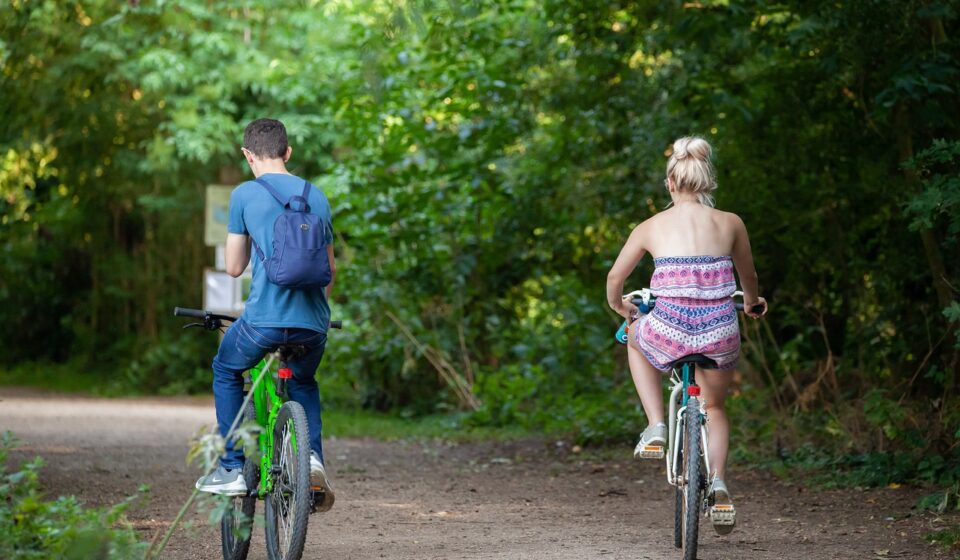
When deciding how to buy a bike, start with the job the bike needs to do, not the brand, color, or sale price. A bike that feels quick in a shop may be the wrong tool for daily commuting. A rugged mountain bike may handle trails well but feel slow and heavy on paved paths. The practical choice is the bike that fits your body, your route, your storage space, and the maintenance you are willing to manage.
Before comparing models, write down three basics: where you will ride most often, how far you expect to go, and what you need to carry. A five-mile neighborhood ride has different requirements from a hilly commute, a gravel weekend route, or a grocery run with a child seat. This step helps avoid the most common buying mistake: choosing a bike for an imagined lifestyle instead of your actual routine.
For more shopper-focused guides, visit our Buying Guides section.
Match the bike type to your terrain
Most buyers can narrow the market quickly by matching the bike category to the riding surface. Industry buying guides from retailers such as REI and product reviewers such as Consumer Reports commonly organize bikes around terrain and rider posture because those factors affect comfort, speed, tire choice, gearing, and control.
| Bike type | Best for | Trade-offs to know |
|---|---|---|
| Hybrid bike | City streets, bike paths, casual fitness rides, short commutes | Comfortable and versatile, but usually not as fast as a road bike or as capable off-road as a mountain bike |
| Road bike | Paved roads, longer fitness rides, group rides, speed-focused riding | Efficient on pavement, but the riding position and narrower tires may feel less forgiving to beginners |
| Gravel bike | Mixed pavement, light dirt, gravel roads, flexible weekend riding | More versatile than many road bikes, but often costs more than a basic hybrid |
| Mountain bike | Dirt trails, rough terrain, roots, rocks, steep descents | Stable off-road, but heavier and slower on pavement |
| Cruiser bike | Flat neighborhoods, relaxed short rides, beach paths | Easygoing comfort, but limited efficiency on hills or longer distances |
| Folding bike | Apartments, transit commutes, offices with limited storage | Convenient to store, but ride feel and component quality vary widely |
| Cargo bike | Kids, groceries, errands, car-replacement trips | Very practical, but heavier, larger, and often more expensive |
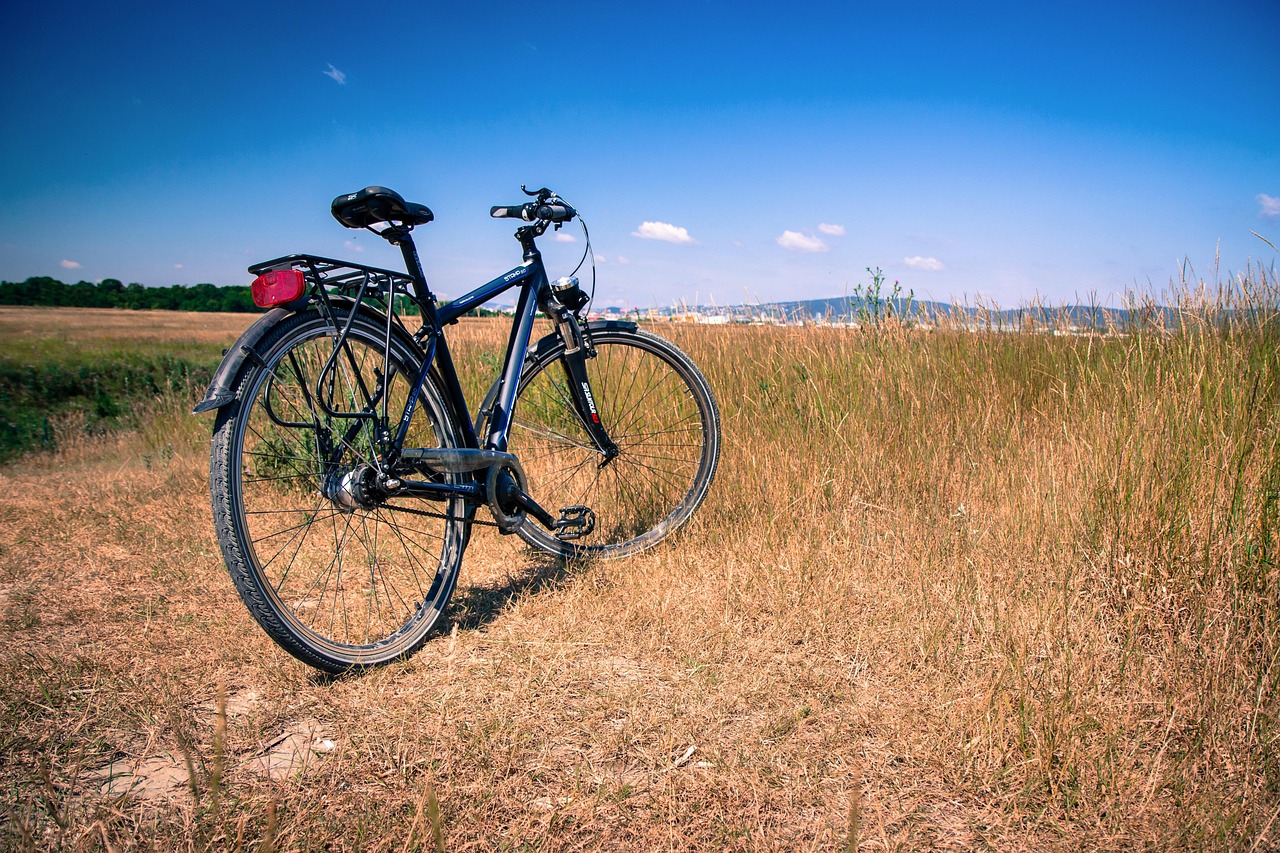
If you are unsure, a hybrid bike is often the safest starting point for paved paths and casual commuting. For one bike that can handle pavement plus unpaved roads, look at gravel bikes. If your routes include real trails, choose a mountain bike rather than trying to force a road or hybrid bike into terrain it was not designed to handle.
Set a realistic budget beyond the bike price
The sticker price is only part of the purchase. A complete first-bike budget should include the bike, helmet, lock, lights, basic repair tools, a pump, and any racks or bags you need. If the bike will be used for commuting, the accessory budget is not optional; it is what makes the bike usable day after day.
Compare value instead of simply chasing the lowest price. A slightly more expensive bike from a reputable shop may include assembly, fit adjustments, and a first tune-up. A cheaper online bike can still be a good purchase, but only if you are prepared to assemble it correctly or pay a mechanic to inspect it. Poor assembly can create brake, shifting, and safety problems that erase the savings.
- Casual neighborhood riding: prioritize comfort, simple gearing, and reliable brakes.
- Commuting: budget for fenders, lights, a strong lock, and a rack or bag system.
- Fitness riding: focus on fit, efficient tires, and gearing that suits local hills.
- Trail riding: reserve budget for a helmet suited to the riding style, gloves, spare tubes, and more frequent maintenance.
- E-bike use: consider battery quality, charger safety, service access, and replacement battery availability.
Do not spend your entire budget on the frame alone. A bike without the right contact points, safety gear, and storage setup is less likely to be ridden regularly.
Get the fit right before you compare features
Fit matters more than many first-time buyers expect. A bike that is too large can feel unstable when stopping or turning. A bike that is too small can feel cramped and inefficient. Size charts are useful, but they are starting points, not guarantees, because frame geometry differs across brands and categories.
During a test ride, check whether you can start and stop confidently, reach the brakes without strain, and turn without feeling stretched out. Your shoulders should feel relaxed, not locked. Your knees should track naturally when pedaling. If your hands, neck, or lower back feel stressed after only a short ride, the frame size, handlebar position, saddle position, or bike type may be wrong.
What to check during a test ride
- Can you stand over the bike with enough clearance for safe stops?
- Can you reach the brake levers comfortably?
- Does the saddle height allow a smooth pedal stroke without rocking your hips?
- Does the bike feel stable at low speed and while turning?
- Can you shift through the gears without skipping or grinding?
- Do the brakes feel controlled rather than sudden, weak, or noisy?
A professional fit is not always necessary for a casual bike, but a shop adjustment can make a major difference. Small changes to saddle height, saddle fore-aft position, stem length, and handlebar angle can turn an uncomfortable bike into a rideable one.
Understand the components that affect daily use
You do not need to memorize every drivetrain model to buy well. Focus on the components that change your daily experience: brakes, gears, tires, wheels, and contact points.
Brakes
Disc brakes are common on many new bikes because they generally perform well in wet conditions and provide consistent stopping power. Rim brakes can still be adequate for light, dry-weather riding and may be easier to service, but they are less common on many modern mid-range bikes. What matters most is that the brakes are properly adjusted and appropriate for your riding conditions.
Gears
More gears do not automatically mean a better bike. What matters is whether the gearing matches your terrain. Flat city routes can work with simple gearing. Hilly commutes, gravel roads, and loaded cargo rides require lower gears that let you climb without straining your knees. When test riding, try the easiest gear on a hill if possible.
Tires
Tires shape comfort and control. Narrow, smooth tires feel efficient on pavement. Wider tires add comfort and traction on rough surfaces. Knobby mountain tires grip dirt but feel slower on the road. If you ride through broken pavement, gravel, or wet leaves, a slightly wider tire may be more useful than an ultra-light frame.
Contact points
The saddle, grips, and pedals are easy to overlook because they are not as visible as frame materials or drivetrains. They are also the parts your body notices first. If a bike is otherwise right, do not reject it only because the stock saddle feels imperfect; saddles are often replaceable. Pay close attention to reach, handlebar shape, and overall posture, because those are harder to change cheaply. See also: BEAUTY INGREDIENTS.
Decide whether an e-bike makes sense
An e-bike can be a smart choice if hills, distance, cargo, or physical effort would otherwise keep you from riding. It can also be more bike than you need if your rides are short, flat, and occasional. Evaluate the e-bike as a transportation tool, not just as a faster version of a regular bicycle.
In the United States, PeopleForBikes describes the common three-class e-bike framework used in many state and local rules. Class 1 e-bikes provide pedal assistance up to 20 mph. Class 2 e-bikes can use a throttle and are generally limited to 20 mph under motor power. Class 3 e-bikes provide pedal assistance up to 28 mph. Access rules vary by state, city, path, and trail system, so buyers should check local regulations before purchasing.
Battery and service support are especially important. Ask whether replacement batteries are available, whether the charger is supplied by the manufacturer, and whether a local shop will service the bike. A low price is less attractive if no one nearby can diagnose electrical issues or replace proprietary parts.
- Choose an e-bike if it replaces car trips, makes hills manageable, or helps carry cargo.
- Be cautious if the bike has unclear class labeling, unusually vague battery information, or no service path.
- Check total weight, especially if you must lift the bike onto stairs, a rack, or public transit.
- Confirm the return policy because e-bike fit and ride feel can vary dramatically.
Do not skip safety, storage, and maintenance
A good bike purchase includes the equipment that keeps the bike safe and usable. The National Highway Traffic Safety Administration advises riders to wear a properly fitted helmet, use bright or reflective gear for visibility, and use a white front light plus a red rear light when riding at night or in poor visibility. Consumer Reports also advises replacing a helmet after a crash and notes that helmet replacement is typically recommended after several years of use, even without a crash.
Security matters too. If you will lock the bike outside, invest in a quality lock and learn how to secure the frame and at least one wheel. For higher-value bikes and e-bikes, consider a secondary lock, indoor storage, or bike insurance where appropriate. A bike that is inconvenient to store is a bike that may not get used.
Maintenance basics to ask about
- How often should the chain be cleaned and lubricated?
- What tire pressure range is printed on the tires?
- Does the shop include a first adjustment after cables stretch?
- Are replacement brake pads, tubes, tires, and batteries easy to find?
- What should you do if shifting becomes noisy or inconsistent?
Regular maintenance is usually less expensive than emergency repair. Keep tires inflated, listen for brake rub or chain noise, and fix small issues early. If you are buying used, budget for a professional inspection unless you already know how to check frame damage, wheel condition, drivetrain wear, and brake function.
A practical buying checklist
Use this checklist before you commit to a bike online or in a shop. It turns a broad search into a decision based on fit, function, and long-term use.
- Define your primary ride: commuting, fitness, errands, trails, mixed surface, or casual recreation.
- Choose the category: hybrid for general use, road for pavement speed, gravel for mixed routes, mountain for trails, cargo for carrying loads, folding for storage.
- Confirm the size: use the brand chart, then test ride when possible.
- Check comfort: reach, braking position, saddle height, and low-speed handling.
- Match gearing to hills: make sure the easiest gear is easy enough for your route.
- Inspect brakes and tires: choose stopping power and tire width for real conditions, not showroom looks.
- Add accessories: helmet, lights, lock, pump, repair kit, water bottle, rack, bag, or fenders as needed.
- Ask about service: assembly, warranty, tune-ups, replacement parts, and e-bike battery support.
- Review return rules: especially for online purchases and e-bikes.
- Sleep on the decision: if the fit feels wrong or the seller avoids basic questions, keep looking.
The best bike is not the most expensive model or the one with the longest specification sheet. It is the one you will ride comfortably, safely, and often.
Frequently asked questions
What type of bike should a beginner buy?
For many beginners riding on pavement, a hybrid bike is the easiest starting point because it combines an upright position, stable handling, and practical tire width. If you already know you want speed-focused road riding, choose a road bike. If you want dirt trails, choose a mountain bike. If your routes mix pavement and gravel, consider a gravel bike.
Is it better to buy a bike online or from a local shop?
A local shop can help with sizing, assembly, test rides, and adjustments, which is valuable for first-time buyers. Online buying can offer more selection or lower prices, but you may need to pay for assembly and inspection. If you buy online, make sure the return policy is clear and the bike can be serviced locally.
How much should I spend on my first bike?
Spend enough to get a safe, properly assembled bike that fits your riding needs, but keep money aside for essential accessories. A lower-priced bike can be fine for casual use if it fits well and has reliable brakes. For commuting, trail riding, cargo use, or e-bikes, the practical budget is usually higher because durability, parts support, and safety equipment matter more.
Should I buy a used bike?
A used bike can be a strong value if the frame is sound, the wheels are true, the brakes work, and the drivetrain is not excessively worn. The risk is hidden repair cost. If you are not experienced, have a mechanic inspect the bike before purchase or budget for repairs after buying.
What is the biggest mistake when buying a bike?
The biggest mistake is buying for appearance or price before confirming fit and use case. A bike that is the wrong size, too heavy to store, poorly geared for local hills, or unsuitable for your terrain will not feel like a bargain for long.