Pizza packaging design that protects food, brand value, and recyclability
Why pizza packaging design has become a bigger business decision
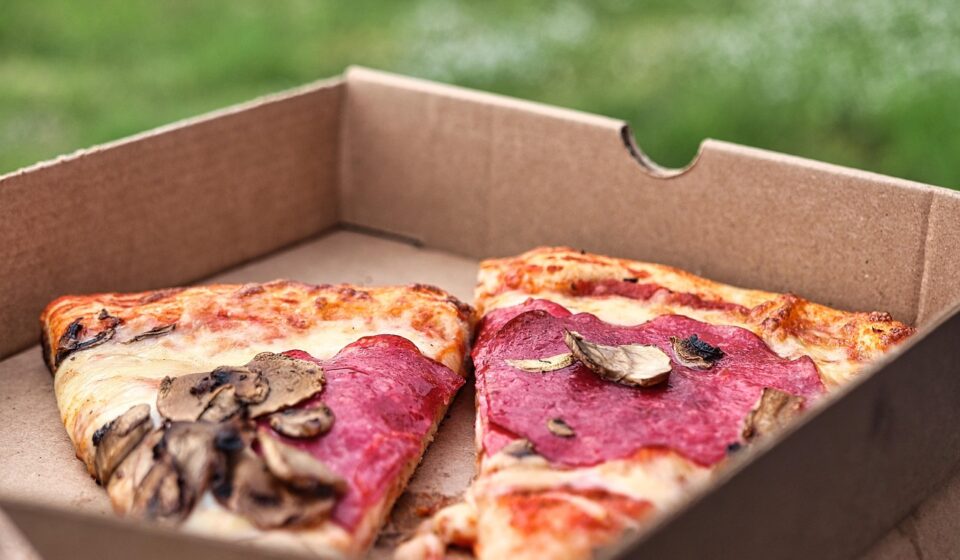
Pizza packaging design has to solve several problems at the same time: keep a hot, oily product in good condition, present the restaurant or food brand clearly, and avoid creating packaging that customers cannot sort correctly after use. The familiar corrugated pizza box still works because it is strong, light, printable, and widely understood, but the design brief around it has changed. Restaurants, delivery brands, frozen pizza companies, and packaging teams now need to review ventilation, grease control, material choices, local recycling rules, and disposal language before artwork is approved.
For readers tracking broader packaging design shifts, pizza is a useful category because it exposes many of the trade-offs seen across food packaging: protection versus material reduction, branding versus recyclability, and convenience versus waste reduction.
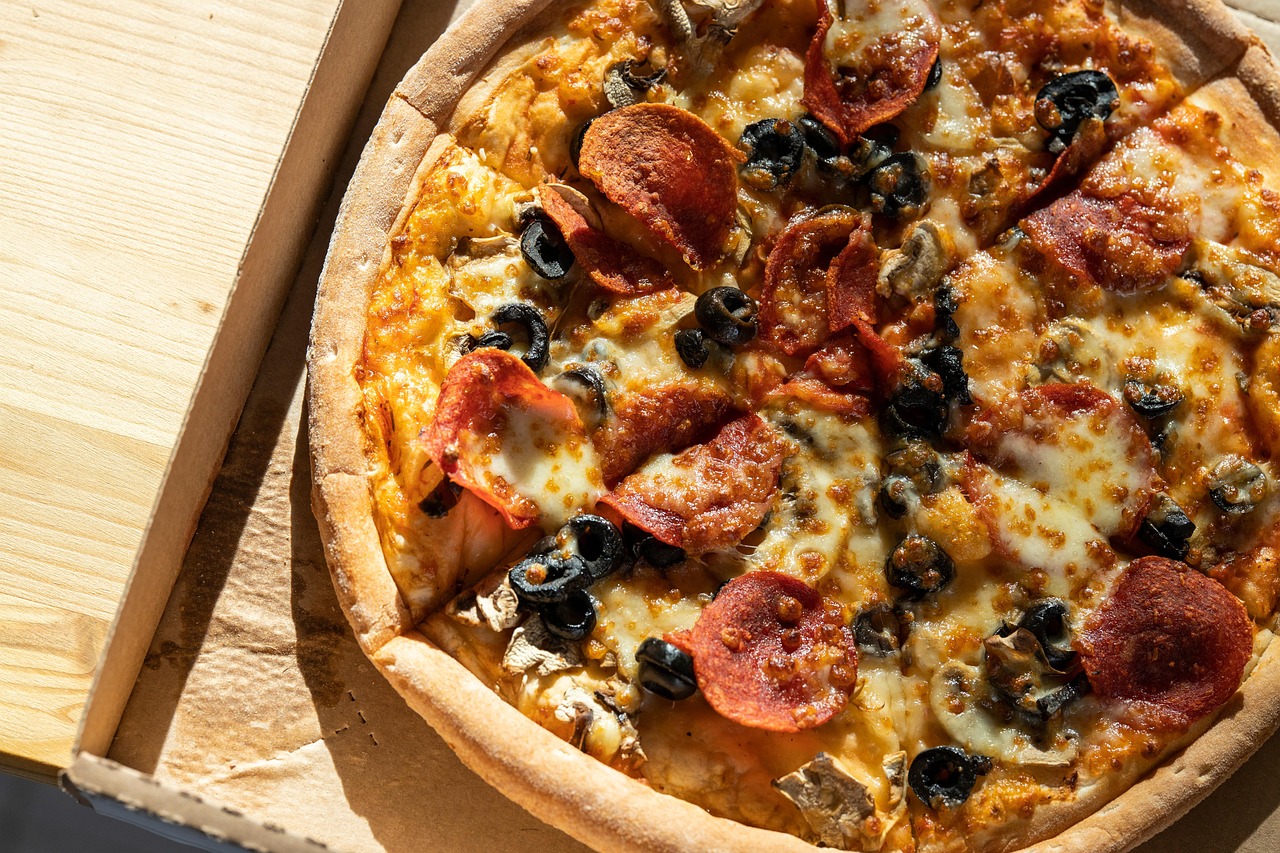
A well-designed pizza pack is more than an attractive box. It helps the product arrive closer to the condition intended by the kitchen, reduces confusion for delivery staff and customers, and supports a more credible sustainability message.
The functional brief starts with heat, steam, grease, and structure
Pizza is difficult to package because it leaves the oven hot, releases steam, carries oil, and often travels under compression in a delivery stack. A box that looks good on a screen can fail quickly if it traps too much moisture, allows the base to soften, or bends when several boxes are stacked.
Most takeaway pizza boxes use corrugated paperboard because the fluted structure provides stiffness without excessive weight. Material selection, however, is only the starting point. The box must also manage airflow. Small vent holes, corner gaps, and lid geometry can help steam escape, but too much ventilation can cool the pizza too quickly. Practical pizza packaging design is therefore a balance of several details, not a single feature.
Grease control is another core decision. Designers may consider absorbent liners, paper inserts, coatings, or board treatments, but every added layer changes cost, disposal instructions, and recycling compatibility. If the box uses a separate liner, the customer should understand whether to remove it before recycling. If the design relies on a coating, the packaging team should verify that it is suitable for food contact and compatible with the intended end-of-life route.
Structural details also affect store operations. A delivery box should be quick to fold, stable in a stack, and clear enough that staff do not waste time orienting it during peak periods. Locking tabs, lid tension, sidewall height, and finger access points can all change the user experience. These are small details, but they matter in high-volume stores where speed and consistency are part of the product.
Branding should work before, during, and after delivery
Pizza packaging is often the most visible physical expression of a food brand. A customer may never see the kitchen, but they will see the box on the doorstep, on the table, and sometimes in a social post. That makes the lid an important brand surface, but effective design does not mean filling every panel with graphics.
Strong branding usually starts with hierarchy. The customer should quickly identify the brand, the pizza type or size if relevant, and any handling or recycling instructions. When every element competes for attention, little of it is useful. A restrained design can be more memorable than a crowded one, especially in delivery settings where the customer spends only a few seconds reading the box.
Color also needs a practical review. Heavy ink coverage can increase visual impact, but it may complicate manufacturing, raise cost, or reduce the natural paper look that many consumers associate with recyclable packaging. Food-contact rules matter as well. Any ink, coating, adhesive, or treatment used near food should be assessed with qualified suppliers against the relevant market requirements.
For independent restaurants, fully custom packaging may be expensive, so design systems can be modular. A generic kraft or white corrugated box can be paired with a branded sticker, belly band, stamp, or limited-run sleeve. The trade-off is that extra components can create sorting confusion or add materials. If a sticker or label is used, it should serve a clear function, such as tamper evidence, order identification, seasonal branding, or a concise promotional message.
Recyclability claims need careful wording
One of the biggest changes in pizza packaging communication is the move away from the blanket idea that greasy pizza boxes cannot be recycled. In the United States, the Environmental Protection Agency currently advises that pizza boxes can be recycled even when they have grease, as long as food scraps are removed and the box is flattened. Industry groups including the American Forest & Paper Association and The Recycling Partnership have also published guidance saying that empty corrugated pizza boxes are accepted by many paper recycling systems.
That does not mean every used box belongs in every recycling bin. Local rules still vary, and loose food, stuck-on cheese, sauce, plastic dip cups, foil, and heavy contamination can create problems. The practical design lesson is that a pizza box should not simply say “recyclable” without context. Better wording is specific and behavioral: remove leftover food, empty the box, flatten it, and follow local guidance.
Research commissioned by WestRock in 2020 found that average grease levels in used pizza boxes entering the recovered fiber stream were around 1–2% by weight, and that paper strength loss was low at tested pizza box concentrations under 10%. This supports the industry argument that typical grease staining is not the same as loose food contamination. However, packaging teams should not present this as a universal rule, because municipal programs and composting options differ.
| Design choice | Benefit | Risk to manage |
|---|---|---|
| Plain corrugated board | Strong, familiar, widely sorted in paper streams | May need liner or structural tuning for oily products |
| Vent holes or airflow gaps | Helps reduce steam buildup | Can cool the pizza if overused |
| Separate liner or insert | Can improve grease management | May confuse disposal unless instructions are clear |
| Heavy full-color printing | Creates strong shelf or delivery presence | Can increase cost and may need extra review for recyclability and food-contact suitability |
| Clear disposal instructions | Improves consumer sorting behavior | Must match the markets where the box is sold |
Food-contact safety and PFAS scrutiny are part of the design brief
Grease resistance has historically been a sensitive area in paper food packaging because some grease-proofing substances used in the broader market contained PFAS. In February 2024, the U.S. Food and Drug Administration announced that grease-proofing substances containing certain PFAS were no longer being sold for food-contact use in the U.S. market. The agency has also described grease-proofing substances as treatments used on paper and paperboard to resist grease, oil, and water.
For pizza packaging design, the takeaway is not that every pizza box used PFAS. The practical point is that grease resistance must be specified carefully. Buyers should ask suppliers what coating, treatment, ink, adhesive, and liner systems are being used, whether they are appropriate for hot food contact, and whether documentation is available for the target market. See also: BEAUTY INGREDIENTS.
This matters for brand trust. A sustainability claim can be weakened if the same pack relies on poorly explained chemical treatments. Conversely, a simple design with verified materials, restrained graphics, and clear disposal instructions can be more credible than a box covered with vague environmental language.
Packaging teams selling into the European Union should also be aware of the Packaging and Packaging Waste Regulation, Regulation (EU) 2025/40. The regulation is part of a broader move toward packaging that is recyclable by design and, over time, recyclable at scale. Detailed obligations and timelines vary by packaging type and market role, so brands should treat EU compliance as a legal and technical review rather than a graphic-design afterthought.
Designing for delivery, frozen pizza, and in-store formats
Not every pizza package has the same job. Delivery boxes, frozen pizza cartons, slice sleeves, and dine-in takeaway packs each need a different design logic.
Delivery and takeaway boxes
Delivery packaging must prioritize thermal performance, stack strength, assembly speed, and customer handling. The outside of the box is a brand surface, but the inside experience also matters. A lid that sags into toppings or a base that becomes wet can damage the meal more than weak branding ever could. Designers should review prototypes with real hot pizza, not just empty samples.
Frozen pizza cartons
Frozen pizza packaging usually works harder at retail. It needs shelf impact, product photography or illustration, nutrition and ingredient information, barcode placement, and freezer durability. Unlike a delivery box, a frozen carton is often compared against many competitors in seconds. The design should make flavor, size, cooking method, and brand position instantly clear.
Slice sleeves and single-serve formats
Slice packaging has a different challenge: it must protect the product while using very little material. Grease resistance, hand comfort, and point-of-sale visibility matter more than stack strength. If the format is intended for events, stadiums, or food trucks, quick disposal instructions become especially important because customers may be sorting waste in a public bin system.
A practical checklist for better pizza packaging design
The strongest pizza packaging concepts usually come from checking design ambition against operational reality. Before approving a final design, teams should review the following points.
- Product fit: Confirm the box size, sidewall height, and lid clearance for the actual pizza diameter, crust height, and topping profile.
- Moisture control: Test the box with hot pizza over realistic delivery times to evaluate steam, condensation, and crust texture.
- Grease management: Decide whether grease will be handled through board selection, an insert, a liner, or product preparation changes.
- Stacking strength: Test full boxes in the delivery stack pattern used by stores and drivers.
- Assembly speed: Check whether staff can fold and close the box quickly during peak hours.
- Food-contact documentation: Ask suppliers for confirmation related to inks, coatings, adhesives, liners, and board treatments.
- Recycling language: Use clear instructions such as empty, remove food scraps, and flatten, while avoiding unsupported universal claims.
- Brand hierarchy: Make sure the logo, product cues, and required information are readable at a glance.
- Market variation: Review whether the same design will be used across cities or countries with different recycling and packaging rules.
This checklist is useful because pizza packaging sits at the intersection of design, food quality, logistics, and sustainability. A visually appealing box that fails in one of those areas will not perform well in the real world.
Frequently asked questions
What makes a good pizza packaging design?
A good design protects the pizza from crushing, manages heat and moisture, controls grease, communicates the brand clearly, and gives customers simple disposal instructions. It should be tested with real food and real delivery conditions, not only evaluated as flat artwork.
Are greasy pizza boxes recyclable?
Many paper recycling programs now accept empty pizza boxes with typical grease staining, and the EPA advises removing food scraps and flattening the box. However, local rules still matter. Loose food, heavy residue, sauce, cheese, plastic cups, and foil should not be treated as paper recycling.
Should pizza boxes use compostable materials?
Compostable packaging can make sense where commercial composting infrastructure accepts the specific material and where food contamination is expected. Without that infrastructure, a compostable claim may not help consumers. Designers should match the material claim to the actual collection system in the target market.
How much branding should go on a pizza box?
The lid should usually carry the clearest brand message, but the design should not crowd out handling and disposal information. For many restaurants, a strong logo, one memorable visual element, and concise instructions are more effective than dense graphics on every panel.
What should designers watch next?
The most important areas to watch are food-contact material scrutiny, local recycling acceptance, EU packaging rules, and consumer-facing disposal labels. These areas can change faster than basic box structure, so packaging artwork should leave room for updates when rules or market guidance changes.