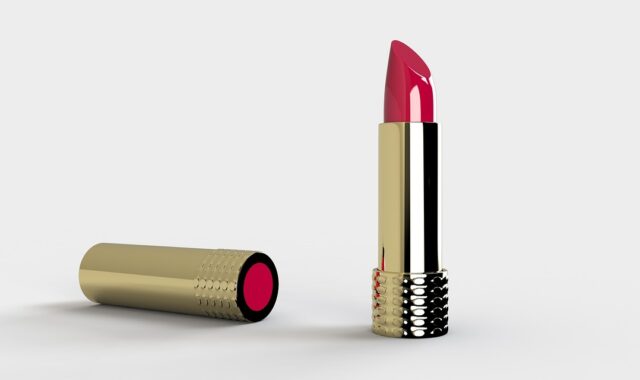
What a packaging design agency should deliver for beauty brands

What a packaging design agency should actually deliver
A packaging design agency for beauty products should deliver more than an attractive label or a polished 3D mockup. Its value lies in translating a brand idea into a physical packaging system: one that protects the formula, communicates clearly, meets channel requirements, supports credible claims, and can move into production without repeated redesign. For skincare, makeup, fragrance, hair care, and personal care, that usually means considering primary packaging, secondary cartons, closures, applicators, decoration, materials, labeling space, and manufacturing handoff as one connected brief.
This matters because beauty packaging carries a heavy workload. It has to look desirable on shelf and online, but it also has to preserve product stability, dispense properly, survive shipping, and avoid environmental or performance claims the brand cannot support. A good agency is not a substitute for legal, regulatory, or packaging engineering advice. It should, however, know when those specialists need to be involved before a concept becomes expensive to change.

Beauty packaging is harder than a visual branding project
Beauty packaging is often judged first by its surface: color, typography, finish, shape, and social media appeal. Those choices matter, but they sit on top of practical constraints. A serum bottle, lipstick component, jar, pump, airless pack, tube, compact, or refill system has to work as a product delivery tool, not only as a brand asset.
Formula compatibility is one of the earliest issues to check. Oils, acids, fragrance ingredients, pigments, sunscreens, and active ingredients may react differently with plastics, coatings, liners, adhesives, or decoration methods. A premium-looking component that fails compatibility testing can delay a launch or force a costly switch. Dispensing is just as important. A thick cream, watery essence, balm, mascara, or powder each needs the right relationship between fill volume, opening, closure, and everyday use.
Retail and logistics also shape the design. E-commerce packaging must survive parcel handling and still feel intentional when opened. Retail packaging may need tamper evidence, shelf blocking, barcode placement, shade identification, multilingual copy, or an outer carton that holds up under lighting and repeated handling. In beauty, design decisions are rarely isolated. A change in bottle shape can affect label area, shipping density, recyclability, and merchandising at the same time.
| Packaging decision | Agency question to ask | Why it matters |
|---|---|---|
| Primary container | Does the component fit the formula, usage pattern, and positioning? | It affects stability, dispensing, perceived value, and production feasibility. |
| Closure or applicator | Is the experience controlled, clean, and repeatable? | Beauty products are judged by daily use, not only by first impression. |
| Decoration method | Will the finish survive handling, moisture, and shipping? | A beautiful pack can disappoint if printing rubs, chips, or misaligns. |
| Label and claim space | Is there enough room for required information and substantiated claims? | Late copy changes can break the layout or force secondary packaging. |
| Material strategy | Does the design support the brand’s sustainability claim without overstating it? | Environmental language needs evidence and should match real disposal systems. |
The sustainability brief is now technical, not just aesthetic
Sustainable packaging used to be presented mainly as a material swap or a visual code: kraft paper, muted colors, lighter bottles, or words such as natural and eco. That is no longer enough. Consumers may care about sustainability, but they do not all define it the same way. NielsenIQ’s 2023 sustainable beauty analysis reported that 62% of consumers considered sustainability more important than two years earlier, while also noting that consumer definitions of sustainability vary widely.
For a packaging design agency, the brief should separate goals that are often grouped together too loosely: reducing material, increasing recycled content, improving recyclability, designing for refill, lowering shipping weight, avoiding overpackaging, and making disposal instructions clearer. These goals can support each other, but they can also conflict. A heavier glass jar may feel premium and reusable, but it may increase shipping weight. A refillable pack may reduce waste only when the refill system is easy to use and repeated often enough. A mono-material plastic format may look less luxurious than a mixed-material component, but it may be simpler for recycling streams where collection and sorting exist.
The Ellen MacArthur Foundation’s Global Commitment reporting has repeatedly emphasized that reusable, recyclable, or compostable packaging goals depend on whether systems work in practice and at scale, not merely whether a material is technically recyclable in a laboratory or a limited pilot. For beauty brands, that distinction is important because many packs include small formats, pumps, mirrors, magnets, metallized layers, mixed plastics, or decorative elements that can complicate recovery.
The most useful agency response is not a vague sustainable look. It is a decision framework. Which components are necessary? Which can be removed? Where can weight be reduced without damaging function or luxury cues? Can the brand use a standard component to reduce tooling risk? If refill is proposed, how will the refill unit, original pack, instruction copy, and merchandising work together? These are design questions as much as operational questions.
Compliance and claims should enter the design process early
Packaging design does not replace regulatory review, but it can create or prevent regulatory problems. In the United States, the Federal Trade Commission’s Green Guides explain that environmental marketing claims need competent and reliable scientific evidence. The FTC also says unqualified recyclable claims should be qualified when recycling facilities are not available to at least 60% of the consumers or communities where the product is sold. That guidance is highly relevant to beauty packaging copy because a small symbol or short phrase can imply more than the brand intends.
Cosmetic labeling responsibilities also matter. The FDA describes the Modernization of Cosmetics Regulation Act of 2022 as the most significant expansion of its authority over cosmetics since the Federal Food, Drug, and Cosmetic Act was passed in 1938. MoCRA includes responsibilities connected to the responsible person whose name appears on the product label, and it has increased the importance of organized product, facility, adverse event, and labeling information. A packaging design agency does not need to perform legal review, but it should leave room for required information and avoid locking artwork before regulatory copy is confirmed.
For brands selling into Europe, packaging requirements are becoming more structured. The European Commission states that Regulation (EU) 2025/40 on packaging and packaging waste entered into force in February 2025 and begins applying on a phased basis from 12 August 2026. The Commission has also stated that all packaging must be recyclable by 2030, with increasing recycled content targets for plastic packaging in 2030 and 2040. As of August 2026, beauty brands planning European distribution should treat recyclability, labeling, empty space, and packaging minimization as design inputs rather than late compliance checks.
The practical takeaway is straightforward: the agency brief should include markets, claims, required languages, retail channels, and sustainability goals at the start. When this information arrives after visual approval, the design team may have to rebuild the pack architecture, not just adjust a line of copy.
How to evaluate a packaging design agency for beauty work
The strongest beauty packaging portfolios show systems, not only single hero renders. Look for evidence that the agency can connect brand strategy with product architecture across multiple SKUs, sizes, shades, and channels. A skincare range may need a cleanser, toner, serum, cream, SPF, and refill pouch to feel related without looking identical. A color cosmetics line may need shade navigation, compact labeling, tester logic, and seasonal extension rules. These are system problems, and they show whether the agency thinks beyond the launch image.
When comparing agencies, ask about the process behind the work. Useful questions include: See also: BEAUTY INGREDIENTS.
- At what stage do they consider component sourcing, decoration limits, and minimum order quantities?
- Do they create production-ready dielines and artwork files, or only concept visuals?
- How do they collaborate with packaging engineers, printers, component suppliers, and regulatory reviewers?
- Can they explain why a material, closure, or finish was selected for a specific product type?
- How do they design packaging families so future SKUs can be added without redesigning the whole system?
- What information do they need from the brand before the first concept phase?
Be cautious with any agency that treats sustainability as a style, promises universal recyclability without market context, or presents highly customized structures before understanding budget and production volume. Custom molds, unusual finishes, and complex mixed materials can be appropriate for some premium brands, but they should be chosen for a clear reason and a realistic production path.
A practical workflow for working with an agency
A clear workflow reduces revision cycles and helps the agency make better design decisions. Beauty brands should start with a written brief that covers product type, formula format, target user, price position, markets, sales channels, launch timing, unit targets, existing brand assets, sustainability priorities, and required claims. If the formula, component, or manufacturer is not yet finalized, the brief should say so.
- Define the role of packaging. Decide whether the pack must signal clinical performance, sensorial luxury, clean minimalism, professional authority, refill convenience, or mass accessibility.
- Map the product system. List all launch SKUs and likely future additions so the design can scale across sizes, shades, and formats.
- Confirm technical constraints. Share formula needs, fill volume, component options, decoration methods, carton requirements, barcode needs, and shipping assumptions.
- Review claims before artwork locks. Product, ingredient, environmental, dermatologist-tested, cruelty-free, recyclable, refillable, and clinical claims should be checked by the appropriate reviewer.
- Prototype the user experience. Test opening, dispensing, grip, legibility, shade identification, carton removal, and disposal instructions with real or close-to-real samples.
- Build production files carefully. Dielines, color standards, finishes, print tolerances, copy hierarchy, and supplier notes should be controlled before release.
- Document the system. A packaging guideline should explain how new SKUs, limited editions, refills, claims, and channel variations will be handled later.
This workflow turns design from a one-time visual exercise into a repeatable brand asset. It also helps prevent a common launch problem: the first SKU looks strong, but the second and third SKUs expose gaps in the structure.
Where a packaging design agency adds the most value
The best use of an agency is at the intersection of brand meaning and practical constraint. An internal team may know the product deeply, and a supplier may know the component well. The agency’s role is to connect consumer perception, shelf communication, visual hierarchy, material choices, and production handoff into one coherent system.
For beauty brands, that system has commercial value. Packaging can help a shopper understand the product type quickly, compare benefits across a range, trust the quality level, and remember the brand after purchase. It can also reduce operational friction by creating consistent rules for copy placement, ingredient callouts, batch coding areas, shade naming, and future line extensions.
Good agencies also know what not to overpromise. They should not claim that a package is compliant in every market without specialist review. They should not imply environmental benefits that have not been substantiated. They should not force a custom structure when a standard component would better fit timing, budget, and sustainability goals. In beauty packaging, restraint can be as strategic as decoration.
Frequently asked questions
When should a beauty brand hire a packaging design agency?
The best time is before the component and artwork are finalized. Early involvement allows the agency to connect positioning, structure, labeling space, decoration, sustainability goals, and production needs. If the agency is hired only after the component is selected, its role may be limited to surface graphics.
Is a packaging design agency the same as a branding agency?
Not always. Some branding agencies also design packaging systems, while some packaging specialists focus on structure, dielines, materials, and production. Beauty brands often need both brand strategy and packaging execution, so the key question is whether the team can manage the full path from concept to production-ready files.
Should the agency choose sustainable materials?
The agency can recommend directions and help compare trade-offs, but material decisions should involve suppliers, technical experts, and market-specific claim review. Sustainability depends on the whole system, including material, weight, refill behavior, recycling access, labeling, and actual disposal pathways.
What should be included in a packaging design brief?
A strong brief includes product type, formula format, target customer, brand positioning, markets, channels, required claims, regulatory needs, sustainability goals, component options, budget range, timing, and the expected SKU roadmap. The more precise the brief, the less likely the design will need major late-stage changes.
How can a small beauty brand work with an agency on a limited budget?
Small brands can focus the scope on the highest-impact decisions: pack architecture, visual system, key SKU artwork, and production templates. Using standard components, limiting finishes, and planning a scalable label system can preserve design quality without creating unnecessary tooling or inventory risk.